
Venice sits at the top of most cruise bucket lists, and for good reason. The problem? Everyone else has the same idea. Getting the timing right means the difference between a magical experience and feeling like you’re being herded through a tourist trap. Let’s talk about when to actually go, what the weather’s really like, and how the port changes will affect your day.
The port situation in Venice has changed dramatically. Large cruise ships can no longer sail through the Giudecca Canal past St. Mark’s Square due to environmental protections. Most ships now dock at Marghera on the mainland, which adds 20-30 minutes of bus transfer time to reach the historic centre. Smaller vessels sometimes still access terminals closer to the city, so ship size matters more than it used to.
Weather Reality by Season
Venice weather follows a predictable pattern, but the crowds don’t always match what you’d expect.
Spring (April-May)
This is genuinely one of the best windows. Temperatures sit comfortably between 60-70°F, and you won’t need to pack your entire wardrobe. Rain happens but isn’t constant. The city feels alive without being suffocating. Late April through May hits the sweet spot before the summer madness kicks in.
- Pros: Mild temperatures, flowers blooming, manageable crowds
- Cons: Occasional rain showers, some days can be cool
- Pack: Layers, waterproof jacket for women or men’s rain jacket, comfortable walking shoes for women or walking shoes for men
Summer (June-August)
June is borderline acceptable. July and August? Only if you enjoy sweltering heat and wall-to-wall tourists. Temperatures regularly hit 85°F with humidity that makes everything feel sticky. The canals don’t always smell great in the heat either. On the plus side, the days are long and outdoor dining goes late into the evening.
- Pros: Long daylight hours, warm evenings, vibrant atmosphere
- Cons: Intense heat and humidity, massive crowds, higher prices, occasional unpleasant canal odours
- Pack: reef safe sunscreen, hat, collapsible water bottle, lightest clothing possible
Autumn (September-October)
September rivals spring as the ideal time. Early September still carries some summer warmth but with fewer tourists. October brings cooler temperatures around 60-65°F and the occasional rainy day. The light in autumn is beautiful for photography, and restaurant tables become available again without booking weeks ahead.
- Pros: Comfortable weather, thinning crowds, beautiful autumn light
- Cons: More frequent rain, some attractions reduce hours
- Pack: Columbia rain jacket for women or Columbia rain jacket for men, comfortable walking shoes, small umbrella
Winter (November-March)
Winter Venice is quiet but damp. Temperatures hover around 45-50°F, and the famous acqua alta (high water flooding) happens most frequently between November and January. If you don’t mind grey skies and puddles, you’ll have the city almost to yourself. Just be prepared for shorter opening hours at attractions and some restaurants closing for the season.
- Pros: Minimal crowds, atmospheric fog, lower prices, authentic local experience
- Cons: Cold and damp, risk of flooding, reduced services, short days
- Pack: warm puffer jacket for women or insulated jacket for men, waterproof rain jacket, Wellington boots if visiting November-January, gloves
Crowd Management Strategy
UNESCO and local authorities continue tightening controls on mass tourism. Some days now have targeted fees for day-trippers during peak periods. As a cruise passenger with limited time, here’s what actually works:
- Book the earliest possible shore excursion: The 8am time slots get you into attractions before the worst crush
- Skip St. Mark’s Basilica if time is tight: The queue can eat 2+ hours of your port day
- Head to quieter areas: Cannaregio and Dorsoduro offer authentic Venice without the gridlock
- Eat where locals eat: Walk 10 minutes from any major square and prices drop while quality rises
- Consider a gondola early morning: Fewer tourists photographing you, calmer canals
Want to know more about what to expect when you arrive? Check out our complete Venice cruise port guide for terminal layouts, transport options, and what to do with different lengths of port time.
Port Changes You Need to Know
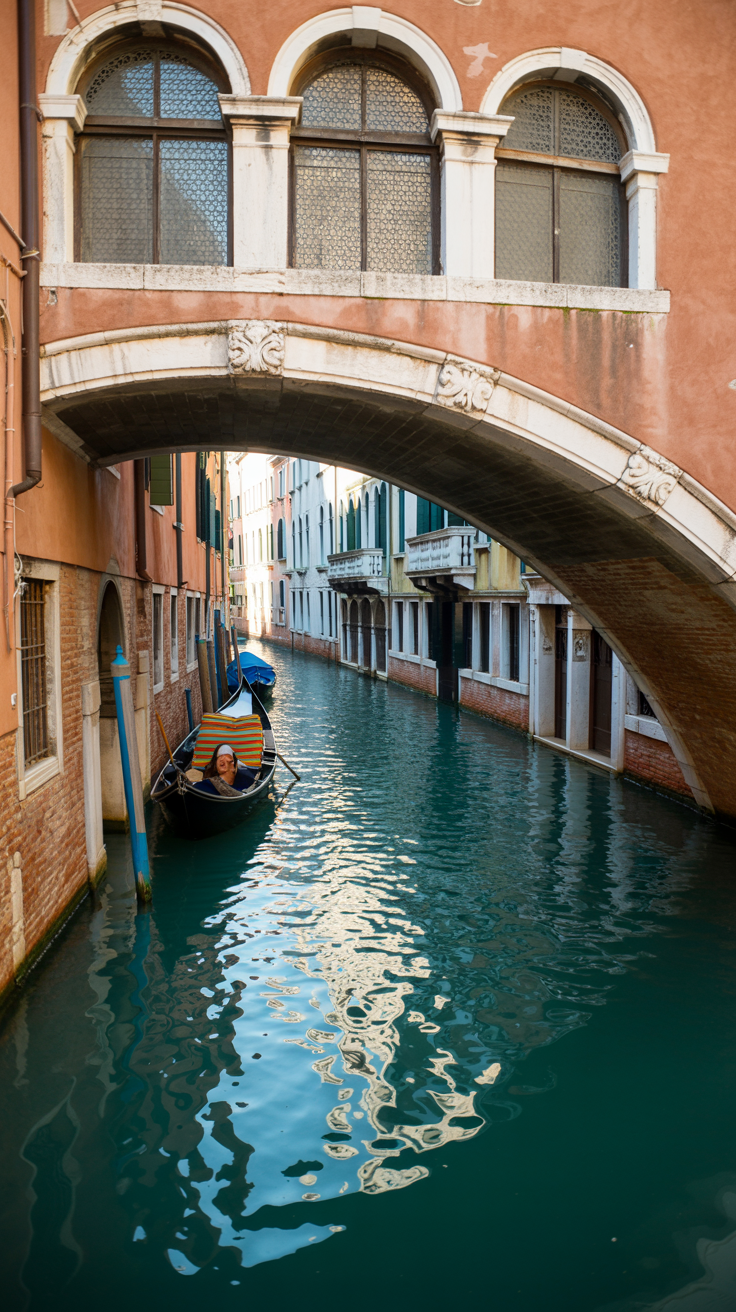
The shift away from the historic centre affects your planning more than you might think. Here’s the current setup:
| Port Location | Ship Type | Transfer to Venice | What to Expect |
|---|---|---|---|
| Marghera (mainland) | Large cruise ships | 20-30 min bus | Industrial port, regular shuttle buses, less scenic but functional |
| Stazione Marittima | Medium ships | 10-15 min bus/water taxi | Closer to the city, still requires transfer |
| San Basilio/Zattere | Small ships | Walking distance | Rare now, but best option if available |
Check which port your specific sailing uses when booking. The cruise line should specify this in the itinerary details. If you’re looking at Mediterranean cruises more broadly, you’ll notice similar changes across multiple historic ports.
Some cruise lines offer earlier all-aboard times for Marghera sailings, which feels like adding insult to injury. Venice cruise ship size restrictions continue to evolve, so smaller vessels gain a real advantage in terms of access and port experience.
Best Time for Different Priorities
What matters most changes your ideal timing:
Best Weather + Manageable Crowds
Late April through May, then September through early October. You get comfortable temperatures without the peak summer insanity. These windows align well with popular Mediterranean cruise seasons overall.
Fewest Crowds (Weather Be Damned)
November through March. You’ll need proper waterproof gear and low expectations for sunshine, but you can actually move through the streets. Hotels in Venice drop their prices significantly too if you’re considering an overnight stay.
Best Photos
September-October for golden autumn light, or early morning any time of year before the crowds arrive. The winter fog creates moody atmospheric shots if you’re into that aesthetic.
Budget Conscious
November-March offers the lowest prices on everything from accommodation to restaurant meals. Just weigh the savings against potentially grey skies and cold temperatures. Many eastern Mediterranean cruise itineraries also offer better value during shoulder seasons.
Practical Tips That Help
Beyond choosing the right month, these details make a difference:
- Download offline maps: Venice’s medieval layout confuses GPS, and you’ll lose signal in narrow passages
- Bring cash: Smaller shops and cafes often don’t take cards, and some add hefty card fees
- Wear comfortable shoes you don’t mind getting wet: You’ll walk 10+ miles on uneven surfaces with proper walking shoes for women or walking shoes for men, and puddles are unavoidable. Consider blister prevention products for all that walking
- Book any attraction tickets online before you arrive: Skip-the-line access is worth every penny when you’re working with limited port time
- Don’t eat within sight of St. Mark’s Square: Walk literally any direction for 5-10 minutes and restaurant quality improves while prices drop by half
- Check your ship’s all-aboard time carefully: Marghera sailings sometimes have earlier cut-offs due to the transfer time
- Keep your phone charged: A compact portable charger ensures you can navigate and take photos all day
- Use the right power adapter: Bring a European power adapter to charge devices in your hotel or ship cabin
- Protect valuables: Venice’s crowded areas attract pickpockets, so an anti-theft backpack or secure messenger bag gives peace of mind
- Stay organized: Compression packing cubes help you pack efficiently and keep belongings tidy during your cruise
Extend Your Stay in Venice
One day in Venice never feels like enough. If you’re considering staying longer before or after your cruise, the city rewards an extra night or two. You’ll catch the early morning light when day-trippers haven’t arrived yet, and experience evening Venice after the crowds disperse.
Hotels in Venice range from budget options in Mestre (on the mainland with easy train access) to splurge-worthy properties right on the Grand Canal. Book accommodation well ahead for spring and autumn when demand peaks.
Staying overnight also means you can take your time at attractions without watching the clock, enjoy a proper sit-down dinner, and maybe catch an evening concert in one of the historic churches. The city transforms at night into something quieter and more magical than any day visit can capture.
Pack smart with quality hardside carry-on luggage and use packing cubes to maximize space. A hanging toiletry bag and travel jewelry organizer keep your belongings accessible in hotel rooms. Don’t forget a travel steamer to freshen up clothes after unpacking, and a portable door lock for added security in unfamiliar accommodations.
Personal Experience
We sailed into Venice in early June last year, and the timing turned out to be pretty much perfect. The weather was warm enough for comfortable wandering – around 75°F most days – but we weren’t melting like the poor souls who visit in July and August. The crowds were definitely there (it’s Venice, after all), but nothing like the insane crush you get in peak summer. We could actually move through St. Mark’s Square without feeling like sardines, and getting a table at restaurants didn’t require an act of God.
One thing that caught us off guard was the port situation. Our ship docked at Marghera, the industrial port on the mainland, instead of sailing right past St. Mark’s Square like we’d seen in all those dreamy photos. Turns out the bigger cruise ships can’t use the historic centre anymore due to environmental restrictions, which makes total sense for protecting the city. The bus ride to Venice took about 30 minutes, which wasn’t terrible, but it did eat into our exploration time. If you’re cruising in the shoulder seasons like we did, just factor in that extra travel time and maybe book an earlier shore excursion. The upside? Smaller ships sometimes still get closer access, so it’s worth checking what kind of vessel you’re booking if sailing right into the lagoon matters to you. We were glad we packed comfortable walking shoes and kept our portable charger with built-in cable handy for navigation throughout the day.
Common Questions & FAQ
Will my cruise ship dock in central Venice or at the mainland port?
Most large cruise ships now dock at Marghera on the mainland due to environmental restrictions protecting Venice’s historic lagoon. This means a 20-30 minute bus transfer to reach Venice proper. Medium-sized ships sometimes use Stazione Marittima which is closer, while small ships occasionally access terminals within walking distance of the city. Check your specific itinerary details before booking if port location matters to you, as the cruise line should specify which terminal they’re using.
How much time do I actually have in Venice on a typical port call?
If you’re docking at Marghera, subtract 30-45 minutes from your total port time for bus transfers. An 8-hour port call realistically gives you 6-6.5 hours of usable time in Venice. Factor in the transfer when booking shore excursions or planning independent exploration. Ships docking closer to the city centre give you more actual time on the ground.
Is Venice worth visiting in winter despite the cold weather?
If you don’t mind temperatures around 45-50°F and frequent rain, winter Venice offers the most authentic experience with minimal crowds. You’ll need proper waterproof gear like a warm puffer jacket for women or lightweight insulated jacket for men and should prepare for the possibility of acqua alta flooding between November and January. Many attractions reduce their hours and some restaurants close for the season, but you’ll have major sites almost to yourself. The trade-off between weather and crowds comes down to personal priorities.
What’s acqua alta and how does it affect cruise visits?
Acqua alta is the high water flooding that occurs when tides push water from the lagoon into Venice’s streets and squares. It happens most frequently November through January. St. Mark’s Square floods first as it’s the lowest point. The city sets up temporary walkways, and locals wear Wellington boots. If your port call coincides with acqua alta, you can still visit but should bring waterproof footwear and expect some disruption to walking routes.
Can I visit Venice independently or should I book a shore excursion?
Venice works well for independent visits if you’re comfortable with maps and short on budget. The bus transfer from Marghera drops you at Piazzale Roma where you can walk or take a vaporetto water bus. Download offline maps first as GPS gets confused in the narrow streets. Shore excursions make sense if you want skip-the-line access to attractions or prefer having transport organised. Just watch the timing carefully since you need to factor in the return transfer to your ship. Keep your devices charged with a high-capacity portable charger for all-day navigation.
Are there fees for visiting Venice as a day-tripper from a cruise?
Venice has introduced targeted access fees on peak days as part of UNESCO-backed measures to manage overtourism. These typically apply to day-trippers during high-demand periods. As a cruise passenger, check whether your shore excursion or independent visit coincides with a fee day. The system continues to evolve as authorities work to balance tourism with city preservation.
What time of year has the best balance of weather and fewer crowds?
Late April through May and September through early October offer the sweet spot. You get comfortable temperatures between 60-70°F without the peak summer crush or winter dampness. Early September particularly works well as it still carries summer warmth but day-tripper numbers drop after schools restart. These months align with popular Mediterranean cruise seasons overall. Pack layers including a lightweight puffer jacket for cooler mornings and evenings.
How do I avoid tourist trap restaurants near St. Mark’s Square?
Walk in any direction for 5-10 minutes away from St. Mark’s Square and you’ll find better quality at half the price. Areas like Cannaregio and Dorsoduro offer authentic local restaurants where Venetians actually eat. Look for places with menus in Italian first, prices posted outside, and locals dining there. Avoid anywhere with photos of food on the menu or staff trying to pull you inside from the street.