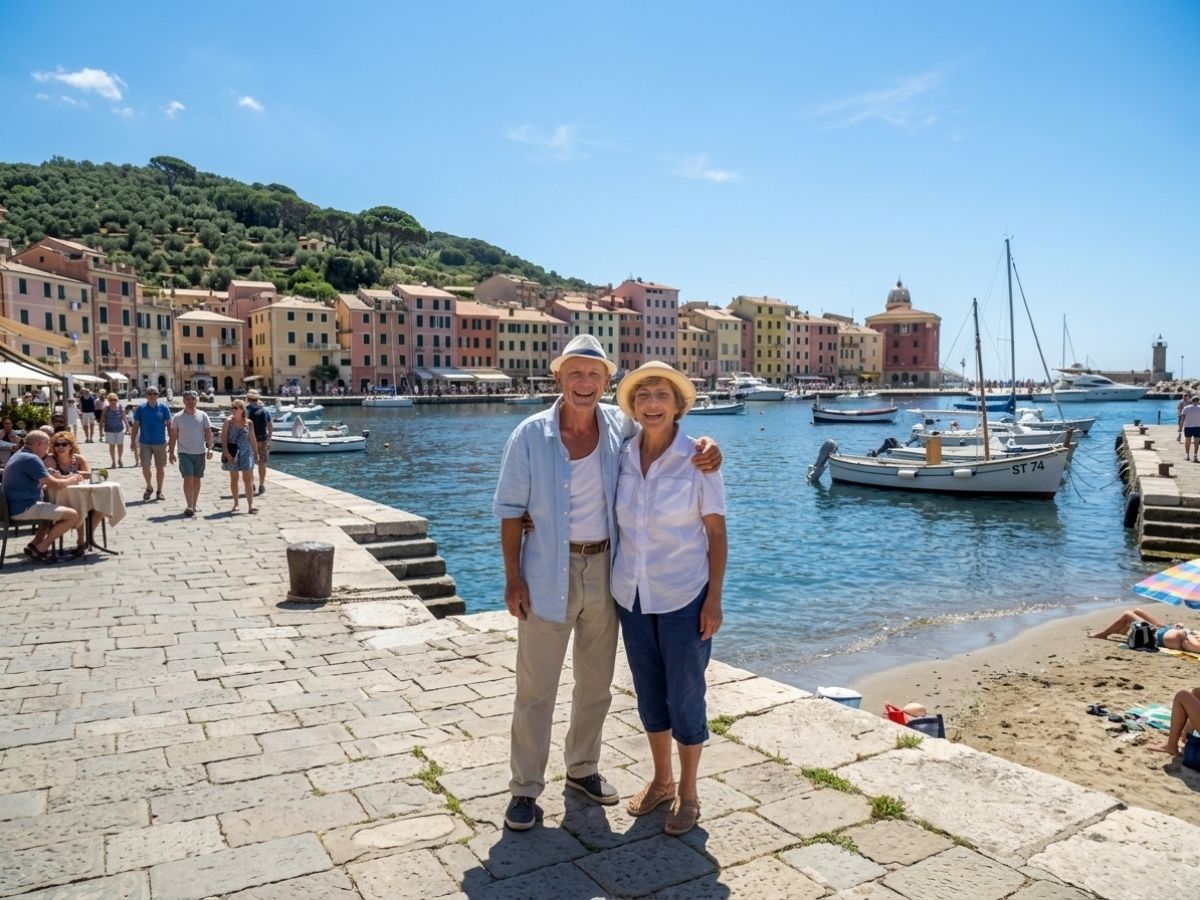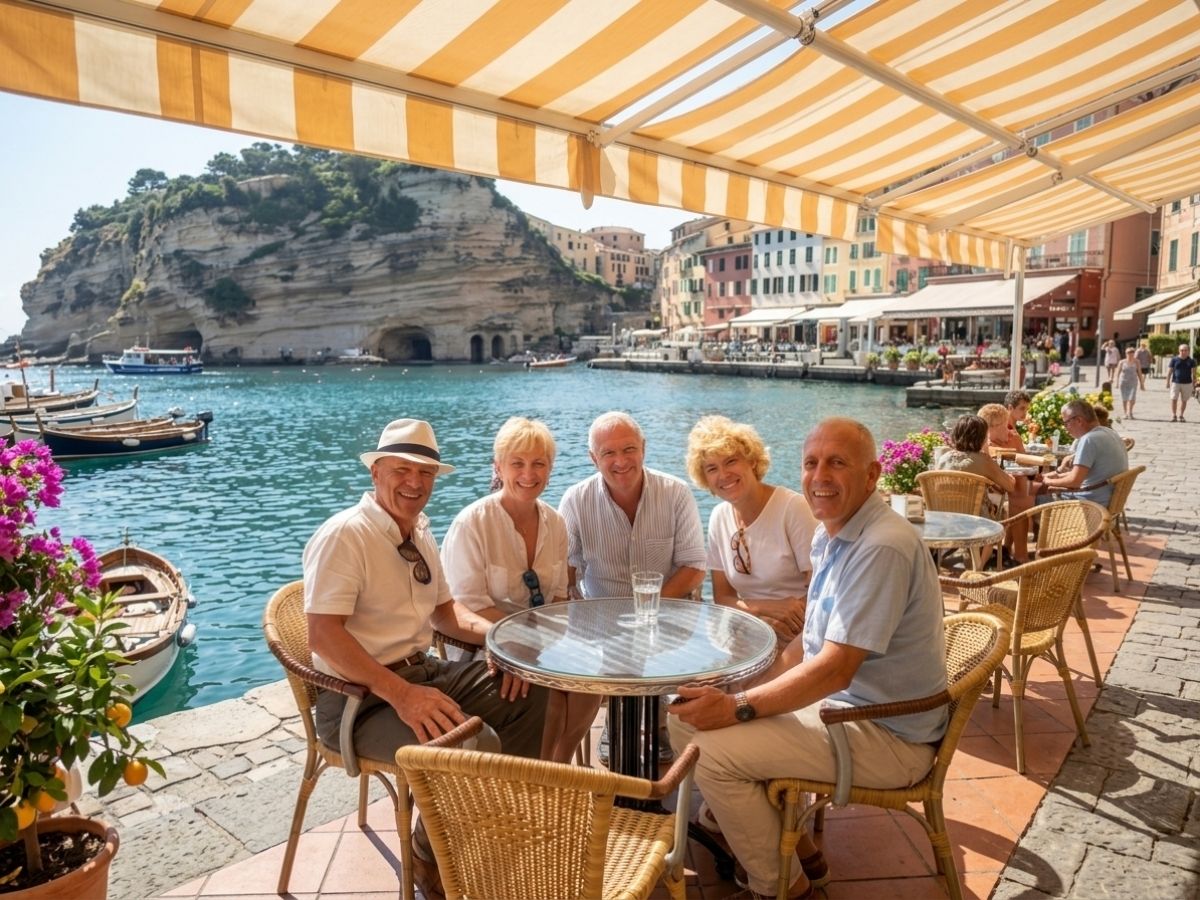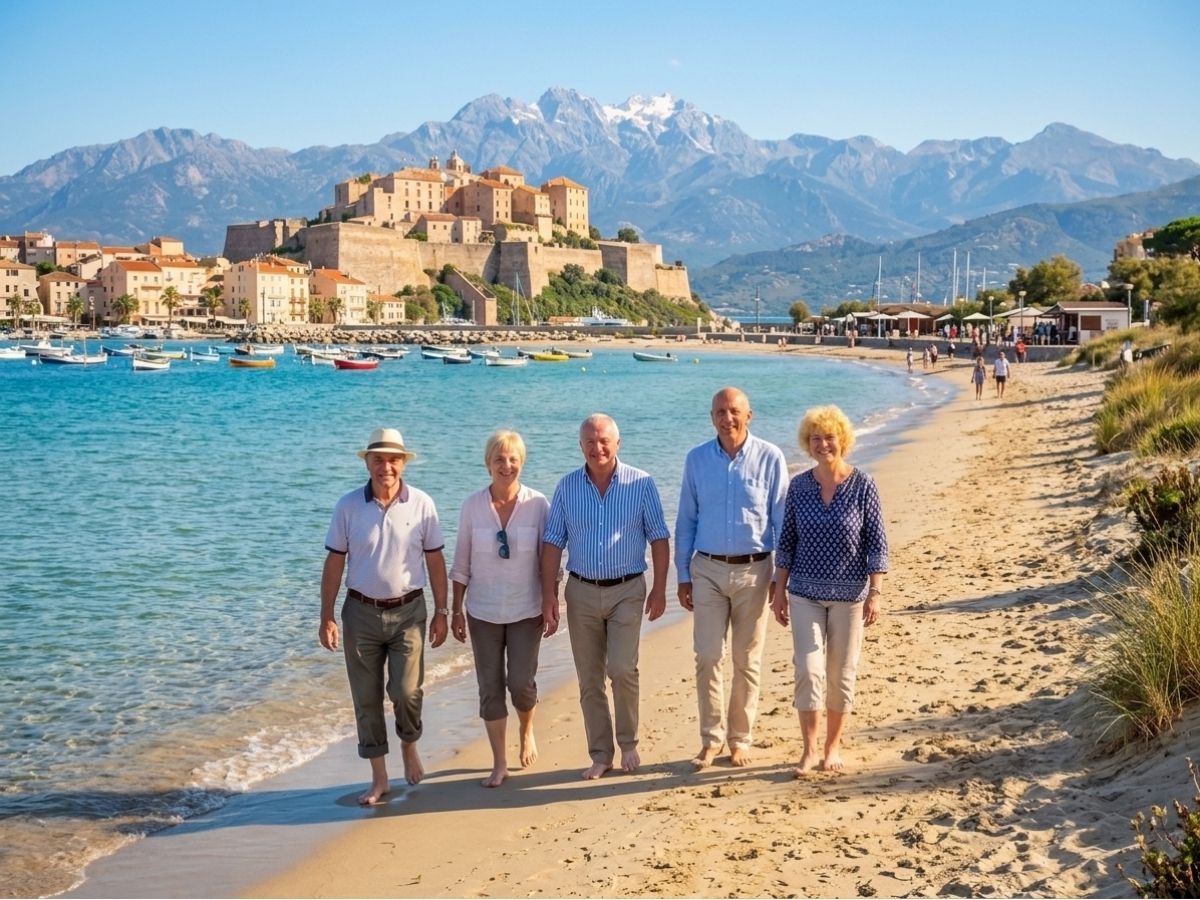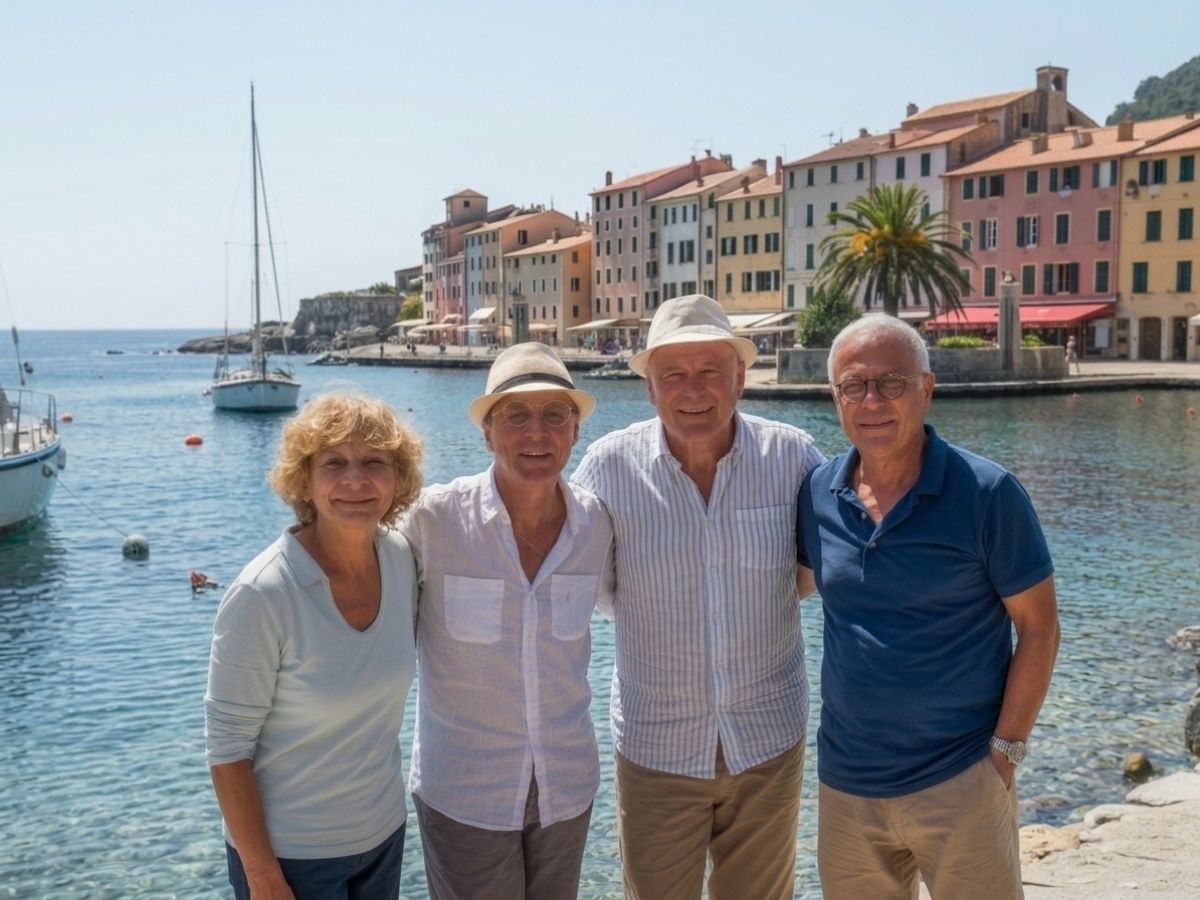
Corsica doesn’t do tourist-trap Mediterranean. The cruise lines selling you “authentic island charm” at every port? Here, they’re actually telling the truth. These five ports deliver medieval citadels that aren’t reconstructed props, beaches that haven’t been turned into sunbed farms, and food that locals actually eat rather than rehashed cruise-port fodder.

The catch – and there’s always a catch – is that Corsican ports require more planning than your average Mediterranean stop. Three are tender ports, taxis operate on their own mysterious schedule, and that charming authenticity means infrastructure designed for fishing boats rather than mega-ships. First-time Mediterranean cruisers expecting plug-and-play convenience might find the logistics frustrating.

But if you’re tired of Western Mediterranean ports where every shop sells the same mass-produced souvenirs and every restaurant serves paella to German tourists, Corsica’s five cruise stops offer something genuinely different. Not easier. Not always better. Just different in ways that matter to people who’ve already done the greatest hits circuit.

The Five Corsican Cruise Ports

PortLocationDocking TypeWalk to TownCharacter
AjaccioWest CoastTender5 minutesNapoleon’s birthplace, busy capital
BastiaNortheast CoastAlongside10 minutesWorking port, cultural capital
BonifacioSouthern TipTenderBoat + steps/trainDramatic cliffs, most photographed
CalviNorthwest CoastTender10 minutesBeach resort, citadel views
ProprianoSouthwest CoastAlongside2 minutesSmall-town charm, fewer tourists

Ajaccio: Napoleon’s Capital

Ajaccio handles more cruise passengers than any other Corsican port – roughly 400,000 annually – which makes it both the most accessible and potentially the most crowded. Ships anchor in the Gulf of Ajaccio and tender passengers to Quai L’Herminier, which deposits you five minutes from Place Foch with its Napoleon statue and market stalls.

The Napoleon connection is inescapable here. His birthplace museum, the Fesch Museum with Italian paintings his uncle collected, the Imperial Chapel where his mother is buried – Ajaccio has turned Bonaparte into a local industry. Fair enough; he actually was born here in 1769, unlike half the “George Washington slept here” claims scattered across America.

What Actually Works in Ajaccio

  • The old town is genuinely walkable – narrow streets with proper Corsican character, not reconstructed fakery
  • Market days (mornings at Place Foch) sell actual Corsican products: chestnut flour, brocciu cheese, charcuterie you won’t find elsewhere
  • Cathedral where Napoleon was baptised – free, atmospheric, no queues
  • Ferry and train connections to Bastia, Calvi, and inland destinations if you’re ambitious
  • Beaches within reach – Plage de Saint-FranΓ§ois in town, Plage de Porticcio 15 minutes away

The Ajaccio Complications

Tender operations mean you’re dependent on ship’s boats and their schedule. Traffic in Ajaccio is notoriously heavy for such a small city, so any taxi excursions need buffer time. The tourist information at the terminal is helpful, but taxi availability is sporadic – drivers know they’ve got a captive market.

Shore excursions to the Îles Sanguinaires (Blood Islands) or inland to Corte sound appealing but eat up most of your port time. The railway journey to Bastia is spectacular, but at 3.5 hours one way, it’s not viable unless you’re ending your cruise there.

Packing for Ajaccio

The Mediterranean sun here is brutal, even in shoulder season. Bring proper sun protection and comfortable shoes that can handle cobblestones. If you’re planning beach time, quality luggage that keeps beach gear separate from your day clothes makes life significantly easier.

Read the complete Ajaccio port guide β†’

Bastia: The Working Port

Bastia is the only major Corsican cruise port where ships actually dock rather than tender. That ten-minute walk from the commercial port to Place St-Nicolas puts you straight into a city that functions for locals first and tourists second. Which means it’s less immediately pretty than Bonifacio, but more genuinely Corsican.

The old port (Vieux Port) and Terra Vecchia quarter deliver the 18th-century buildings and atmospheric streets you came for. The citadel area (Terra Nova) houses the Governor’s Palace and Cathedral of St. Mary. The Terra Nova ramparts and Jardin Romieu offer proper Mediterranean views without the tourist crush.

Why Bastia Works Better Than It Should

  • No tender dependency – walk on, walk off, no waiting for boats
  • Real city infrastructure – buses, trains, taxis that serve locals not just cruise passengers
  • Museum of History in the Governor’s Palace – genuinely interesting if you care about Genoese rule
  • Church of St. Jean Baptiste – baroque interior that puts most Mediterranean port churches to shame
  • Less cruise ship crowds – Ajaccio gets the mega-ships, Bastia gets smaller vessels

What Bastia Gets Wrong

It’s a working port city, which means container operations and ferry traffic, not picture-perfect harbours. The commercial port area isn’t scenic, though you’re through it quickly. Fewer organised shore excursions from here compared to Ajaccio or Bonifacio, so independent exploration is almost mandatory.

Cap Corse to the north is spectacular if you’ve got time – 25 miles of fishing villages, coastline, and decent beaches. But it’s a full morning or afternoon commitment, not a quick look-around.

Read the complete Bastia port guide β†’

Bonifacio: The Dramatic One

Every Corsica cruise brochure shows Bonifacio perched on white limestone cliffs above turquoise water. The photos aren’t lying – it genuinely is that dramatic. What they don’t mention is that getting from your tender boat to that clifftop citadel involves either 187 steps or a tourist train, and both routes are more challenging than cruise lines typically acknowledge.

Ships anchor in the harbour between Corsica and Sardinia (Italy’s less than 7 miles away). Tenders run to the marina, then you face the vertical reality. The marina level has restaurants and boat tours, but the medieval citadel that makes Bonifacio unmissable is 230 feet straight up.

What Makes Bonifacio Worth the Effort

  • The King of Aragon’s Staircase (Escalier du Roi d’Aragon) – 187 steps carved into limestone cliff, supposedly overnight (local legend, actual history unclear)
  • Citadel streets and ramparts – medieval architecture that hasn’t been Disney-fied
  • Views across to Sardinia – on clear days you can see Italy from French soil
  • Boat tours to sea caves – Sdragonatto cave shaped like Corsica itself
  • Lavezzi Islands – granite archipelago with snorkelling if you’ve got time

The Bonifacio Complications

Mobility matters here more than any other Corsican port. If stairs are difficult, the tourist train is essential, but it runs on its own schedule and can fill up during cruise ship days. The citadel streets are steep and uneven – proper shoes aren’t optional.

Popular boat tours to the caves and Lavezzi Islands need advance booking and can be cancelled in rough weather. The marina restaurants look appealing but charge accordingly, knowing they’ve got a captive audience. And tender operations mean you’re watching the clock throughout your visit.

This is also Corsica’s most visited spot year-round, so summer cruise season adds to already-heavy tourism. Early tenders and strategic timing make a significant difference.

Read the complete Bonifacio port guide β†’

Calvi: The Beach Resort

Ships anchor in the bay beneath Calvi’s 13th-century citadel, tender to the marina, then you’re a ten-minute walk from town centre. The whole setup is designed for beach holidays rather than cruise stops, which creates both advantages and frustrations.

The citadel claim to fame is Christopher Columbus’s supposed birthplace. The evidence is thin (Genoa has stronger claims), but the house gets pointed out anyway. More reliably authentic: the Cathedral of St. John the Baptist, the citadel ramparts with their bay views, and the 4-mile crescent beach that’s actually the main event here.

Calvi’s Actual Appeal

  • Proper beach within walking distance – not “nearby” in cruise-port speak, actually walkable
  • Citadel streets – cobblestoned and atmospheric without Bonifacio’s vertical extremes
  • Place Paoli – cafes and shops that serve locals, pricing still reasonable
  • Morning market – Corsican specialties if you’re there right days
  • Gateway to Scandola Nature Reserve – UNESCO site accessible by boat tour

Why Calvi Might Disappoint

It’s fundamentally a beach resort, so if you’re not beach-oriented, there’s less here than Ajaccio or Bonifacio. The Columbus connection feels forced compared to Napoleon’s genuine Ajaccio roots. Water sports and beach activities dominate – fine if that’s your plan, limiting if it’s not.

Boat tours to Scandola Nature Reserve are spectacular but time-consuming, and availability depends on weather and cruise ship schedules. The Calvi market only runs certain days, so your visit might miss it entirely.

Beach infrastructure here is developed, which means more facilities but less wild Mediterranean charm than you might expect from “authentic Corsica.”

Read the complete Calvi port guide β†’

Propriano: The Quiet Alternative

With a population under 4,000, Propriano might be smaller than your cruise ship. It sits in the Valinco Gulf, southwest coast, equidistant between Ajaccio and Bonifacio. Ships dock at the commercial port – no tendering – and you walk two minutes to a town that feels pleasantly unprepared for mass tourism.

This isn’t Corsica’s showpiece port. No dramatic cliffs, no Napoleon connections, no medieval citadel dominating photographs. Just a working fishing harbour that’s become a modest resort, with restaurants overlooking the marina and beaches that locals use rather than tourist factories.

What Propriano Does Well

  • Genuine small-town atmosphere – cruise passengers are visitors, not the economic foundation
  • Church of Notre Dame de la Misericorde – 1864, architecturally interesting without tourist crowds
  • Access to SartΓ¨ne – “most Corsican of Corsican towns,” medieval village on mountain ridge
  • Filitosa prehistoric site – 8,000-year-old menhirs and statues, 20 minutes away
  • Beaches around Valinco Gulf – Plage de Cupabia, Plage de Portigliolo, genuinely quiet

Where Propriano Falls Short

Limited taxi availability means advance planning for any excursions beyond walking distance. No established tour guide infrastructure, so DIY exploration is essentially required. The town itself is charming but small – you can see it thoroughly in an hour.

Most interesting destinations (SartΓ¨ne, Filitosa, best beaches) require transport you’ll need to arrange independently. Restaurants price themselves for yacht owners, so waterfront dining costs more than the casual setting suggests.

This port works brilliantly if you want authentic small-town Corsica without tourist infrastructure. It’s frustrating if you’re expecting organised shore excursions and English-speaking guides.

Read the complete Propriano port guide β†’

How Corsican Ports Compare to Mainland France

The obvious comparison is Mediterranean France’s mainland ports – Marseille, Nice, Cannes, Toulon. Corsica’s ports are smaller, less developed for cruise tourism, more authentically local, and considerably more challenging logistically.

Marseille handles hundreds of thousands more cruise passengers with purpose-built terminals and established shore excursion networks. Corsican ports feel more like they tolerate cruise ships rather than build their economy around them. That’s appealing if you’re tired of cruise-port infrastructure. It’s limiting if you want things to just work.

Ferry connections link Corsica to Marseille, Nice, and Toulon, so extending your Mediterranean journey is feasible. The cultural connections are there – French administration, Italian influence, Corsican identity that’s genuinely distinct from either.

Corsica vs. Sardinia

Sardinia sits 7 miles from Bonifacio across the Strait of Bonifacio. The comparison is inevitable: both are large Mediterranean islands, both have Italian influences, both appear on similar cruise itineraries. Sardinia’s cruise ports are generally better developed, more tourist-oriented, with more established infrastructure.

Corsica feels rougher, less polished, more genuinely local. Sardinian ports like Cagliari and Olbia handle cruise tourism more smoothly. Corsican ports require more from passengers – more planning, more independence, more acceptance that things might not run perfectly.

Neither is better universally. Sardinia works better for passengers wanting organised efficiency. Corsica delivers more for people comfortable making their own arrangements and accepting that authentic sometimes means inconvenient.

Planning Multi-Port Corsican Cruises

Some Mediterranean itineraries hit multiple Corsican ports. Common combinations:

  • Ajaccio + Bonifacio – contrast capital city with dramatic clifftop town
  • Calvi + Propriano – beach resort versus quiet harbour
  • Bastia + Bonifacio – working port versus tourist showcase

Three or more Corsican ports in one cruise starts feeling repetitive unless you’re specifically focused on Corsican culture. The island is beautiful, but port experiences follow similar patterns: old town, citadel or fortress, beach access, limited mobility infrastructure.

Better strategy: one or two Corsican ports combined with Sardinian stops or mainland French ports. That way you get Corsican character without island fatigue, and you can appreciate what makes it distinct rather than assuming all Mediterranean islands function the same way.

Corsican Cruise Port Logistics

Language Considerations

French is official, Corsican is widely spoken, Italian is understood (especially in the north). Tourist-facing staff at cruise terminals and major sites speak basic English. Local buses, taxis, smaller shops – assume French only. Having translation apps ready isn’t paranoid, it’s practical.

Currency and Costs

Euro everywhere. ATMs in all five ports, cards widely accepted in tourist areas. Smaller villages and markets still prefer cash. Corsican pricing runs higher than mainland France – island economics and limited competition mean you’ll pay more for similar quality.

Transport Between Ports

Ferry services (Corsica Linea, Moby Lines) connect the ports, but schedules don’t align with cruise ship port times. The railway links Ajaccio and Bastia – spectacular journey, genuinely scenic, but 3.5 hours one way makes it impractical for same-day cruise visits.

Buses connect major towns but run on local schedules designed for residents, not day-tripping cruise passengers. Taxis work for short hops but aren’t reliable for island-hopping between ports.

Weather and Timing

Cruise season runs May through October. Early season (May-June) delivers better weather reliability and fewer crowds. July-August brings heat, tourists, and higher prices. September-October offers excellent conditions with returning crowds as school holidays end.

Corsica’s Mediterranean climate means summer heat can be brutal – plan morning excursions, afternoon beach or cafe time. The mistral wind can impact tender operations, particularly at Bonifacio and Calvi. Have backup plans for tender-dependent activities.

What Cruise Lines Don’t Tell You About Corsica

Shore excursion descriptions make Corsican ports sound interchangeable with any Mediterranean stop. They’re not. The infrastructure gaps mean cruise line excursions become more valuable here than ports where independent exploration is straightforward.

But “cultural walking tour” in Bonifacio really means “we’ll take you up the steps and around the citadel” – fine if mobility is good, challenging otherwise. “Beach experience” at Calvi means organised transport and marked areas, not wild Mediterranean coastline.

The authentic local character that makes Corsica appealing also means less English signage, fewer tourist facilities, more assumption that you’ll figure things out. Cruise lines sell this as charm. It is charming. It’s also occasionally frustrating.

Is Corsica Worth the Extra Effort?

That depends entirely on what you value. If you want Mediterranean cruise ports where everything works smoothly, where English is spoken everywhere, where tourist infrastructure removes all friction – Corsica’s probably not your best choice. Barcelona, Rome’s ports, even Sardinia deliver that experience more reliably.

But if you’re tired of Mediterranean ports that feel like outdoor malls with historic props, where every shop sells identical merchandise and every restaurant serves the same tourist menu, Corsica’s five cruise ports offer something genuinely different. Not different in marketing-speak “authentic experience” nonsense, but actually different in ways that show up in daily life.

You’ll eat food that locals actually order. You’ll wander streets that weren’t redesigned for tourist flow. You’ll encounter situations where nobody speaks English and you’ll need to figure it out. For some passengers that’s exactly what they want from Mediterranean cruising. For others it’s precisely what they’re paying cruise lines to avoid.

Know which type you are before your ship anchors in Ajaccio’s gulf or tenders into Bonifacio’s dramatic harbour. Corsica rewards passengers who value character over convenience. It frustrates people expecting plug-and-play tourism. Neither response is wrong – but your success here depends on matching expectations to reality.

Related Mediterranean Resources

Common Questions

Do cruise ships actually dock at Corsican ports or is tendering universal?

Three of five major ports require tendering: Ajaccio, Bonifacio, and Calvi. Only Bastia and Propriano have alongside docking. Tender operations add time and weather dependency, so factor that into your port day planning. Bonifacio’s tender-to-steps-or-train combination is particularly time-consuming.

Can you realistically visit multiple Corsican towns from one cruise port?

Not practically. Distances aren’t huge (Ajaccio to Bonifacio is 80 miles), but Corsican roads are mountain routes, not motorways. What looks like a quick hop takes hours. The Ajaccio-Bastia train is scenic but 3.5 hours each way. Shore excursions sometimes combine nearby spots, but “visiting two towns” usually means “driving past one to actually visit the other.”

Which Corsican port delivers the best experience for passengers with mobility limitations?

Propriano by default – alongside docking, flat marina area, compact town centre all on one level. Bastia second-best: docked access, though the citadel climb is steep. Avoid Bonifacio entirely if stairs are challenging unless you’re comfortable with the tourist train dependency and its limitations. Ajaccio and Calvi fall somewhere between, with tendering complications but relatively flat town centres once you’re ashore.

Are Corsican cruise ports safe for independent exploration?

Yes, with standard Mediterranean precautions. Crime rates are low, violent incidents against tourists essentially non-existent. Standard pickpocket awareness in crowded areas applies. The genuine risks are logistical: missing tender times, getting stranded by limited taxi availability, misjudging walking distances in heat. Plan conservatively, particularly with tender return times.

What makes Corsican ports different from other French Mediterranean stops?

Less cruise-port development, more authentic local character, harder logistics, better food, more Italian influence, steeper learning curve. Marseille and Nice function like professional cruise destinations with infrastructure built around tourism. Corsican ports feel like actual towns that happen to receive cruise ships. That difference creates both the appeal and the challenges.

Should first-time Mediterranean cruisers skip Corsica?

Not necessarily, but understand what you’re choosing. If your only Mediterranean cruise includes Corsican ports, you’ll miss the polished tourist infrastructure of Barcelona, Rome, or Athens. You’ll get more authentic local experience and less hand-holding. If you’re comfortable with that trade-off, Corsica works fine for first-timers who value independence. If you want your first Mediterranean cruise to be smooth and professionally organised, save Corsica for later when you’ve experienced the region’s easier ports.

How much French do you actually need for Corsican cruise ports?

Zero for cruise terminal areas and major tourist sites – English works. Basic phrases help dramatically everywhere else: restaurants, taxis, shops, markets. Translation apps bridge most gaps, but assuming everyone speaks English creates friction. Learn “Bonjour,” “Merci,” and “Parlez-vous anglais?” at minimum. The effort matters more than perfect execution.

Can you visit Corsican beaches during a cruise port call?

Absolutely, and it’s often the best use of your time, particularly at Calvi and Propriano. Most beaches are public access, close to ports, properly equipped with facilities. The challenge is time: tender operations cut into available hours. Calculate tender journey time, walking distance to beach, time there, buffer for return. Six-hour port calls with tender operations leave maybe 3-4 hours actual beach time. Still worthwhile for many passengers, but plan accordingly.

Β Β Last Updated: 21 December 2025