
Alaska zip-line adventures offer thrilling canopy tours through temperate rainforests, providing aerial views of glaciers, mountains, and wildlife. Popular locations include Juneau, Ketchikan, and Skagway, featuring multi-line courses with professional guides. Tours accommodate various skill levels and typically include safety equipment and training. Many operators combine zip-lining with nature walks, showcasing Alaska’s unique ecosystem and scenic landscapes.
Quick Facts
| Detail | Information |
|---|---|
| Typical Duration | 2.5 to 4 hours including training |
| Age Requirements | Generally 6+ years, varies by operator |
| Weight Limits | Usually 60-275 lbs |
| Best Season | May through September |
| Average Cost | $100-$200 per person |
| Physical Difficulty | Moderate (walking, climbing stairs) |
Want to know more about other thrilling options? Check out our comprehensive Alaska shore excursions guide to explore all your adventure possibilities.
Top Zip-Line Locations in Alaska
Ketchikan
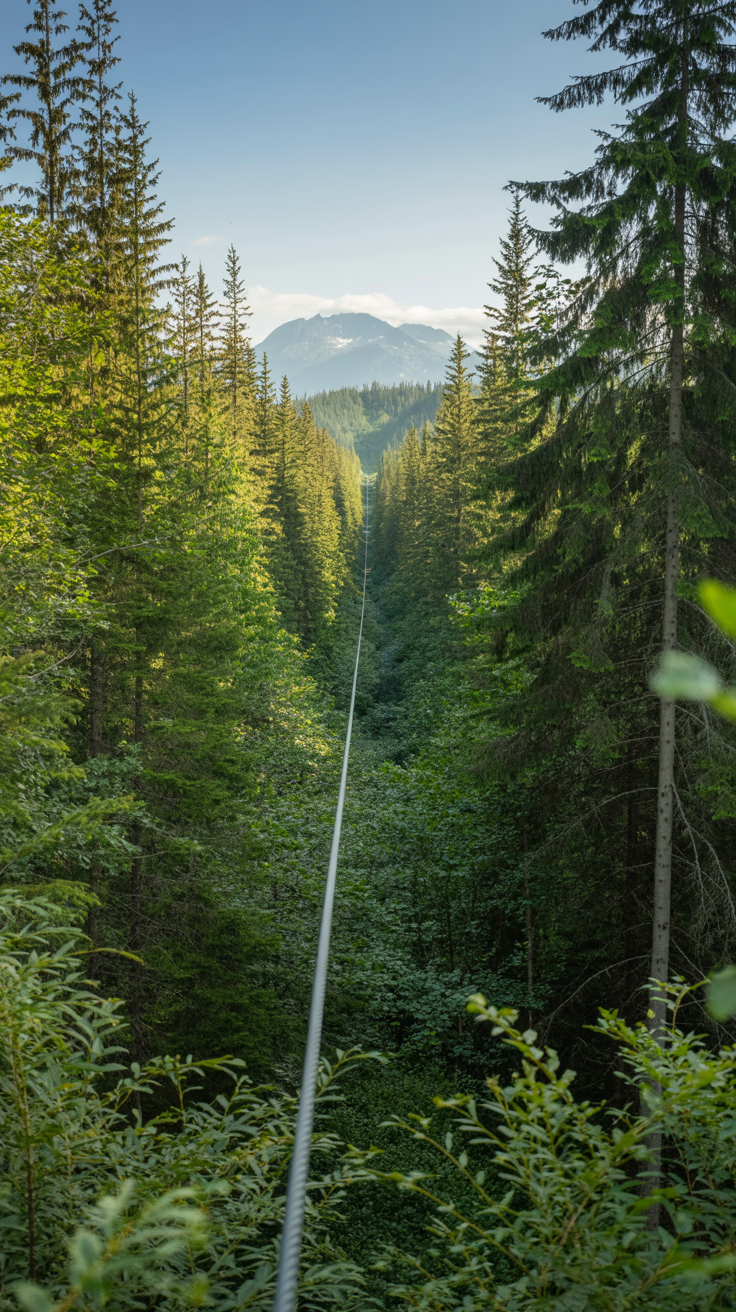
Known as the “Salmon Capital of the World,” Ketchikan also happens to be zip-line heaven. The temperate rainforest here gets about 150 inches of rain annually, which creates that lush, moss-covered landscape that looks like something out of a fantasy movie. Tours here often incorporate platforms built around ancient trees, giving you time to catch your breath and spot bald eagles between runs.
For a complete overview of what else this port offers, explore our Ketchikan best shore excursions recommendations.
Juneau
Alaska’s capital offers some of the longest zip-line courses in the state. Several operators are located near Mendenhall Glacier, meaning you’ll zip through the canopy with glacier views in the background. Some courses feature dual racing lines where you can challenge your travel companion to see who reaches the platform first.
Discover more activities at the capital with our detailed Juneau best shore excursions guide.
Icy Strait Point
Home to the famous ZipRider, which held the Guinness World Record as the world’s longest zip-line at 5,330 feet with a vertical drop of 1,320 feet. This isn’t your gentle introductory zip-line experience – you’ll reach speeds up to 60 mph while descending from the mountain. The entire ride lasts about 90 seconds of pure adrenaline, and the views across Icy Strait are absolutely breathtaking.
Learn everything about this record-breaking attraction in our Icy Strait Point ZipRider detailed guide.
Skagway
This gold rush town offers zip-line tours that often include historical narration about the Klondike Gold Rush. The courses here weave between areas where prospectors once searched for fortune, adding an educational element to the adventure.
What to Expect During Your Tour
Safety Training and Equipment
Every reputable operator starts with a ground school session lasting 15-30 minutes. You’ll learn proper body positioning, braking techniques, and hand signals. The guides will fit you with a full-body harness, helmet, and gloves. Some operators use additional safety equipment like trolleys with dual braking systems.
Here’s what the actual fitting process involves:
- Harness adjustment around legs, waist, and chest
- Helmet fitting with chin strap
- Glove selection based on hand size
- Practice runs on a short training line near the ground
- Weight verification to ensure equipment compatibility
The Course Experience
Most Alaska zip-line courses feature between 6 to 12 separate lines. Between each zip, you’ll climb stairs or walk along boardwalks through the forest. This is actually one of the best parts – guides share information about the ecosystem, point out wildlife, and answer questions.
The platforms themselves are engineering marvels. Many are built without damaging the trees, using specially designed bolts that allow the trees to continue growing. Platforms range from 15 to 150 feet above ground depending on the course.
Balancing Expectations: The Good and the Challenging
The Positives
- Unmatched perspective of Alaska’s rainforest that you can’t get from ground level
- Suitable for non-athletes and families with older children
- Professional guides who genuinely love their jobs and the environment
- Weather often feels less intrusive when you’re moving through the air
- Wildlife spotting opportunities – eagles, ravens, and sometimes bears below
- Adrenaline rush without requiring special skills or extensive training
The Challenges
- Weather doesn’t stop the tours – rain, drizzle, and even light snow won’t cancel your adventure
- Physical requirements may exclude some travelers (weight limits, mobility needs)
- Motion sickness can affect people on the initial drops
- Fear of heights becomes very real when you’re standing on that first platform
- Photography is difficult and sometimes prohibited for safety
- Port time restrictions mean late arrivals can miss the entire tour
Insider Tips from Seasoned Zip-Liners
Booking Strategy
Book morning tours when possible. The winds tend to be calmer, and you’ll avoid the afternoon rush when multiple cruise ships are in port. Speaking of booking, our Alaska shore excursions booking guide explains exactly when and how to secure the best times.
Don’t automatically book through your cruise line. Independent operators often charge 20-30% less for identical experiences, and they’re usually more flexible with timing if you’re running late from another activity.
What to Wear
Layers are essential but avoid anything too bulky that prevents the harness from fitting properly. A moisture-wicking base layer, a fleece mid-layer, and a waterproof outer shell work perfectly. Skip the poncho – it’ll flap around and block your view.
Closed-toe shoes with good tread are mandatory. Hiking boots are ideal, but sturdy sneakers work fine. Avoid brand new shoes that might give you blisters during the walking portions between platforms.
Leave the jewelry at home or on the ship. Dangling earrings, loose bracelets, and necklaces can catch on equipment or get lost during the adventure.
Managing Fear
Almost everyone feels nervous on that first platform. The guides know this and they’re excellent at talking people through it. Here’s the secret: the first line is usually the shortest and lowest. Once you realize how controlled and safe the experience is, the fear transforms into excitement.
If you have a genuine fear of heights, tell your guide immediately. They can position you in the group order strategically and provide extra support. Nobody will judge you for being nervous – it’s completely normal.
Combining Zip-Lining with Other Adventures
Alaska excursions pair beautifully together if you manage your time well. Many cruise passengers combine a morning zip-line tour with an afternoon of exploring other activities. Consider these complementary experiences:
- Helicopter tours over glaciers provide aerial views from a completely different perspective
- Dog sledding adventures offer another adrenaline option with a uniquely Alaskan twist
- Gold panning experiences in Skagway make perfect afternoon activities after morning zip-lining
- Cultural excursions featuring native heritage provide educational contrast to adventure activities
For water lovers, kayaking through calm waters uses different muscles and offers wildlife viewing from sea level. Or if you prefer staying dry, scenic railway excursions let you cover more ground with less physical exertion.
Some ports like Ketchikan and Juneau are compact enough that you can zip-line in the morning and still have time for hiking excursions to nearby waterfalls or fishing excursions in local streams.
If you’re traveling as a group with mixed adventure levels, check out our family-friendly Alaska excursions that accommodate everyone from thrill-seekers to those who prefer gentler activities.
Alternative Adrenaline Options
Not sold on zip-lining? Alaska offers plenty of other heart-pumping activities. ATV adventures through backcountry trails provide ground-level thrills, while flightseeing tours in small planes deliver even more dramatic aerial perspectives than zip-lining.
Bonus Tips Nobody Mentions
- Bring a dry bag for valuables – operators provide them, but having your own means you can pack it exactly how you want
- Use the bathroom before you get harnessed up – unhooking everything takes time and effort
- Apply sunscreen even on cloudy days – UV rays penetrate cloud cover and reflect off water
- Tip your guides – they work hard and cash tips (15-20%) are appreciated
- Ask about photo packages – many operators have professional photographers stationed on the course
- Eat a light snack beforehand – you’ll need energy but you don’t want a full stomach on those initial drops
- Check the tide schedule if your tour involves coastal views – high tide provides more dramatic scenery
- Wear contacts instead of glasses if possible – glasses can fog up or slip during the ride
- Skip the perfume or cologne – strong scents can attract insects in the forest
- Arrive 15 minutes early – rushing through check-in and training increases anxiety
- Watch your fingers near the trolley and carabiners – pinches hurt and they’re easily avoidable
- Listen for wildlife sounds between platforms – the quiet moments reveal the forest’s soundtrack
Weather Considerations
Alaska’s weather is famously unpredictable. Tours run in rain, drizzle, and even light snow. Only lightning or extreme winds cause cancellations. Wet conditions actually make the forest more beautiful and the experience more memorable, though the cold rain on your face at 30 mph takes some getting used to.
Temperature ranges between 45-65°F during cruise season. That might not sound cold, but wind chill while zipping creates a noticeable cooling effect. Many operators provide rain jackets, but bring your own if you have one that fits well.
Who Should Skip Zip-Lining
Honesty matters here. Zip-lining isn’t suitable for everyone, and that’s perfectly fine. You should probably choose a different activity if you:
- Are pregnant or recently had surgery
- Have severe back, neck, or shoulder problems
- Experience panic attacks in high places
- Fall outside the weight restrictions (typically 60-275 lbs)
- Have limited mobility that prevents climbing stairs
- Can’t follow instructions or communicate with guides
- Have heart conditions that restrict physical activity
Children under 6 or 7 generally can’t participate due to size and safety requirements. Some operators set the minimum age at 10. Always verify specific restrictions when booking.
Value for Money
At $100-$200 per person for 2.5 to 4 hours, zip-lining represents good value compared to other Alaska adventures. The experience includes professional guiding, all equipment, safety training, and usually some educational interpretation about the ecosystem.
Compare this to helicopter tours which start around $300 for shorter durations, or fishing charters at $250+ for half-day trips. Zip-lining delivers significant excitement and unique perspectives at a mid-range price point.
Groups often receive discounts. Families booking 4+ spots might save 10-15% by asking about group rates when making reservations.
Environmental Considerations
Responsible operators design courses that minimize environmental impact. Platforms attach to trees without girdling them, and trails use boardwalks to prevent soil erosion and root damage.
Some companies donate portions of proceeds to conservation organizations or employ naturalist guides who combine thrills with environmental education. Ask about these practices when choosing an operator – supporting businesses that protect Alaska’s wilderness ensures future generations can enjoy these experiences.
Common Questions and FAQ
Can I zip-line if I’ve never done it before?
Absolutely. Most participants are first-timers, and the training covers everything you need to know. The guides monitor everyone closely and provide help at each platform.
What happens if I get stuck on the line?
Occasionally someone doesn’t have enough momentum to reach the platform, especially on flatter sections. Guides are trained in retrieval techniques and can either pull you in with a rope or come out on the line to assist you. It’s not dangerous, just slightly embarrassing.
Do tours operate in rain?
Yes, rain is standard operating conditions in Alaska. You’ll get wet, but that’s part of the authentic experience. Tours only cancel for lightning or dangerous winds.
Can I bring my phone or camera?
Policies vary by operator. Some allow phones in zippered pockets or attached with secure straps, while others prohibit them entirely. Many companies offer photo packages with professional photographers stationed on the course, which provides better images anyway since you’ll have both hands free.
How much time should I allow for transportation?
Add 30-45 minutes each way between your ship and the zip-line facility. Traffic in port towns can be unpredictable when multiple cruise ships are docked. Factor in check-in time of at least 15 minutes before your scheduled tour.
Are there bathroom facilities on the course?
Facilities are available at the start and end of tours, but not on the course itself. Those platforms 100 feet up in the trees don’t come with plumbing. Plan accordingly.
What if someone in my group chickens out after starting?
Guides can usually escort nervous participants back down via stairs or walking paths, though this isn’t always possible depending on the course design. It’s better to be honest about extreme fear before starting rather than partway through.
Do I need to tip the guides?
While not mandatory, tips are customary for good service. Cash tips of 15-20% are standard if you enjoyed your experience and felt well cared for by the guides.
Personal Experience
Last summer, I finally checked zip-lining off my Alaska bucket list, and it turned out to be everything I hoped for and more. I went with Rainforest Canopy Adventures near Ketchikan, and from the moment we got strapped into our harnesses, the guides made everyone feel completely safe and surprisingly relaxed. The forest was absolutely stunning – towering Sitka spruces and hemlocks everywhere, with moss covering pretty much every surface. Flying through that canopy with eagles soaring below you is just surreal. I’d packed layers like the guide recommended, which was smart because it started drizzling halfway through, but honestly, it made the whole experience even more authentic and beautiful.
The best advice I can give is to wear closed-toe shoes with good grip and leave your phone in a zippered pocket or back at the lodge. I saw someone nearly drop theirs trying to take a selfie mid-flight. Also, book directly with operators who have solid safety records and experienced guides – it makes such a difference. Some tours near Juneau and Skagway offer longer courses with more challenging lines, while others focus on the scenery and wildlife spotting. Either way, you’re getting an incredible perspective of Alaska’s wilderness that you just can’t experience from the ground. The whole thing took about three hours, and I left with sore cheeks from smiling so much.