
A Greek island cruise typically strings together whitewashed villages, ancient ruins, and turquoise water across the Aegean or Ionian seas. The best ports balance easy logistics with genuine wow moments, whether that’s the caldera views in Santorini, the medieval walls of Rhodes, or the cave-studded coastline of Kefalonia. The trick is knowing which islands work when you’re racing the all-aboard time.
Docking steps from the action is a very different day to bouncing ashore in a tender, and that’s before you factor in the all-aboard countdown. This guide covers what you can realistically squeeze into a port day across Santorini, Mykonos, Crete, Rhodes, Corfu, and lesser-known stops like Milos and Naxos.
How Greek Island Cruise Itineraries Actually Work
Most Mediterranean cruises that focus on Greece follow one of three patterns. The classic Aegean loop hits the greatest hits: Santorini, Mykonos, Crete, and Rhodes over seven to ten days. You’ll also find Cyclades-heavy itineraries that trade the big names for quieter spots like Paros, Naxos, or Milos. Then there’s the Ionian alternative, which swaps the Aegean’s dramatic cliffs for lush green islands like Corfu, Kefalonia, and Zakynthos off Greece’s west coast.
If it’s your first Greek island cruise, stick with an itinerary that includes Santorini and at least one of Mykonos or Crete. These three give you the full spectrum: volcanic drama, archaeology, beaches, and that postcard Greece everyone pictures. For repeat visitors or anyone allergic to crowds, the smaller ship Greek island cruises that call at Milos, Naxos, or the Ionian islands deliver better food, fewer tour groups, and more time to actually enjoy the ports.
Top Greek Islands and Best Places to Visit in Greece on a Cruise
The best Greek islands for cruising aren’t always the most famous. Santorini tops every list for a reason, but Rhodes surprises people with its medieval old town and excellent logistics. Corfu appeals if you want greenery and Venetian architecture instead of the usual whitewashed look. Milos flies under the radar but delivers some of the most dramatic coastline in the Cyclades, and Naxos gives you proper beaches without the Mykonos price tag or attitude.
Here’s what matters when you’re choosing between Greek island cruise options: docking versus tendering, distance from port to town, and whether the headline attraction is a half-hour or half-day from where the ship docks. Santorini tenders and requires transport up the cliff. Mykonos tenders but the town is right there. Crete docks but Knossos is a drive. Rhodes docks and the medieval old town is a five-minute walk. These logistics shape your entire port day.
| Island | Docking or Tendering | Port to Main Attraction | Best For | Crowds |
|---|---|---|---|---|
| Santorini | Tender or dock at Athinios | 20–30 min by cable car or bus | First-timers, couples, photographers | Very high |
| Mykonos | Tender | 5 min walk to town | Beaches, nightlife, Delos day trip | High |
| Crete (Heraklion) | Dock | 15 min drive to Knossos | Archaeology, history buffs | Moderate |
| Rhodes | Dock | 5 min walk to old town | Medieval history, easy logistics | Moderate |
| Corfu | Dock | 10 min walk to old town | Green landscapes, Venetian architecture | Moderate |
| Milos | Tender | Varies by excursion | Dramatic coastline, fewer crowds | Low |
| Zakynthos | Dock | Boat required for Navagio Beach | Beach lovers, photographers | Moderate to high |
Santorini: Caldera Views and Crowd Management
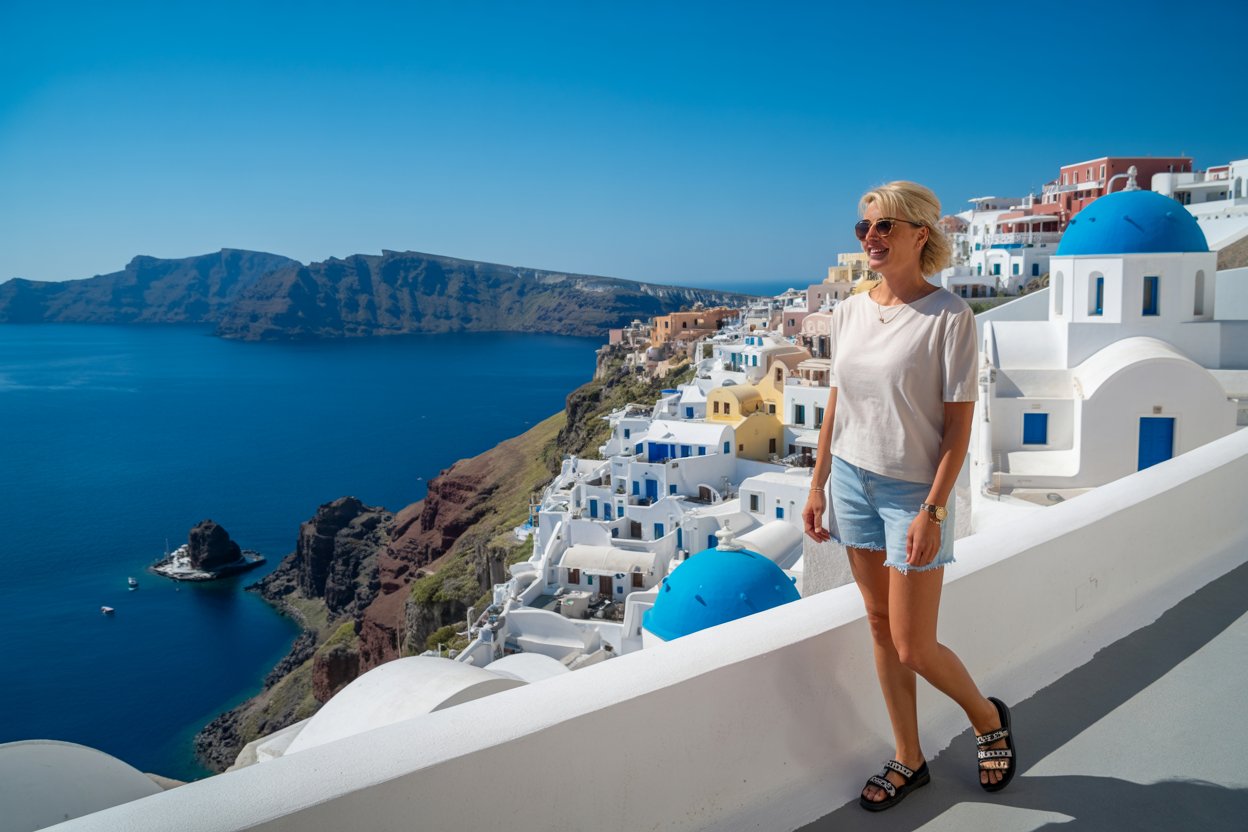
Santorini delivers the Greece everyone imagines: whitewashed villages clinging to volcanic cliffs, blue-domed churches, and sunset views that justify the Instagram obsession. The reality check is that your ship either tenders into the old port below Fira or docks at Athinios port about 10 kilometres south. Either way, you’re not walking straight into those famous villages.
If you tender, you’ll arrive at the base of the cliff and face a choice: cable car up to Fira, donkey ride (genuinely do not do this, the animals are poorly treated and it’s uncomfortable for everyone), or a steep walk up several hundred steps. The cable car queues can stretch to 45 minutes when multiple ships are in port, and while Santorini actually saw fewer ship calls in 2024 than the year before, passenger numbers still rose, because the ships arriving are getting bigger. More people, fewer vessels, same bottleneck. If your ship docks at Athinios, you’ll need a bus or taxi to reach Fira or Oia, which adds another layer of logistics.
The Santorini cruise ship port guide covers the full picture, but here’s the short version: book a ship excursion if you want guaranteed transport and timing, or go independent early in the day before the crowds peak. Oia gets rammed by late afternoon when everyone chases the sunset, so if you’re doing it yourself, hit Oia mid-morning and spend the afternoon in Fira or at a winery instead. Also worth knowing: Santorini enforces a hard cap of 8,000 cruise passengers per day for 2025–2026, and a €20 per-person port levy applies in peak season — some lines include it in the fare, others don’t, so check before you travel.
What to Do in Santorini on a Port Day
- Cable car to Fira, wander the caldera-edge walkway, then bus to Oia for photos before the crowds arrive
- Shore excursion to Akrotiri archaeological site (a Minoan settlement preserved under volcanic ash, far more interesting than it sounds) paired with a winery tasting local Assyrtiko wines
- Boat trip around the caldera if your ship offers it as an excursion, or book independently through a local operator
- Skip the donkeys entirely unless you enjoy feeling guilty while being uncomfortable
- If you’re tendering and the queue looks grim, grab a coffee at the bottom and wait it out, the caldera views from the old port are actually lovely without the crowds
Mykonos: Windmills, Beaches, and the Delos Question
Mykonos does two things brilliantly: postcard-perfect Cycladic architecture in the main town, and proper sandy beaches within easy reach. It also does one thing badly, which is handling multiple cruise ships in port at once. When that happens, the narrow lanes of Mykonos Town (also called Chora) turn into a shuffling queue of tour groups, and the famous windmills become a scrum for selfie space, and it’s getting worse. Mykonos went from around 690,000 cruise passengers in 2022 to 1.2 million in 2023 and 1.3 million in 2024, nearly double in two years.
Your ship will tender into the old port, which drops you a five-minute walk from Little Venice and the town centre. This is genuinely convenient, and if you arrive early or your ship stays late, you can easily explore independently. The other major draw here is Delos, the sacred island and archaeological site a short boat ride away, but getting there requires either a ship excursion or booking a local tour boat in advance.
The Mykonos cruise ship port guide walks through the tender logistics and Delos timing, but the smart move is deciding upfront whether you’re here for beaches, archaeology, or just soaking up the town vibe. Trying to cram all three into one port day leaves you rushed and slightly grumpy.
What to Do in Mykonos on a Port Day
- Explore Mykonos Town on foot: Little Venice, the windmills, the maze of lanes, and a seafood lunch at a harbourfront taverna
- Beach time at Paradise, Platis Gialos, or Psarou if you want the classic Mykonos beach club scene, reachable by taxi or bus
- Day trip to Delos if you book a ship excursion or arrange a local boat tour in advance, this is a proper archaeological highlight and worth prioritising if you’re into ancient history
- Morning in town, afternoon at Ornos Beach for a swim, then back to town for a sundowner if your ship stays late
- Avoid peak midday crowds in the town centre by timing your wander for early morning or late afternoon
Crete: Knossos, Chania, and Beaches That Require Commitment
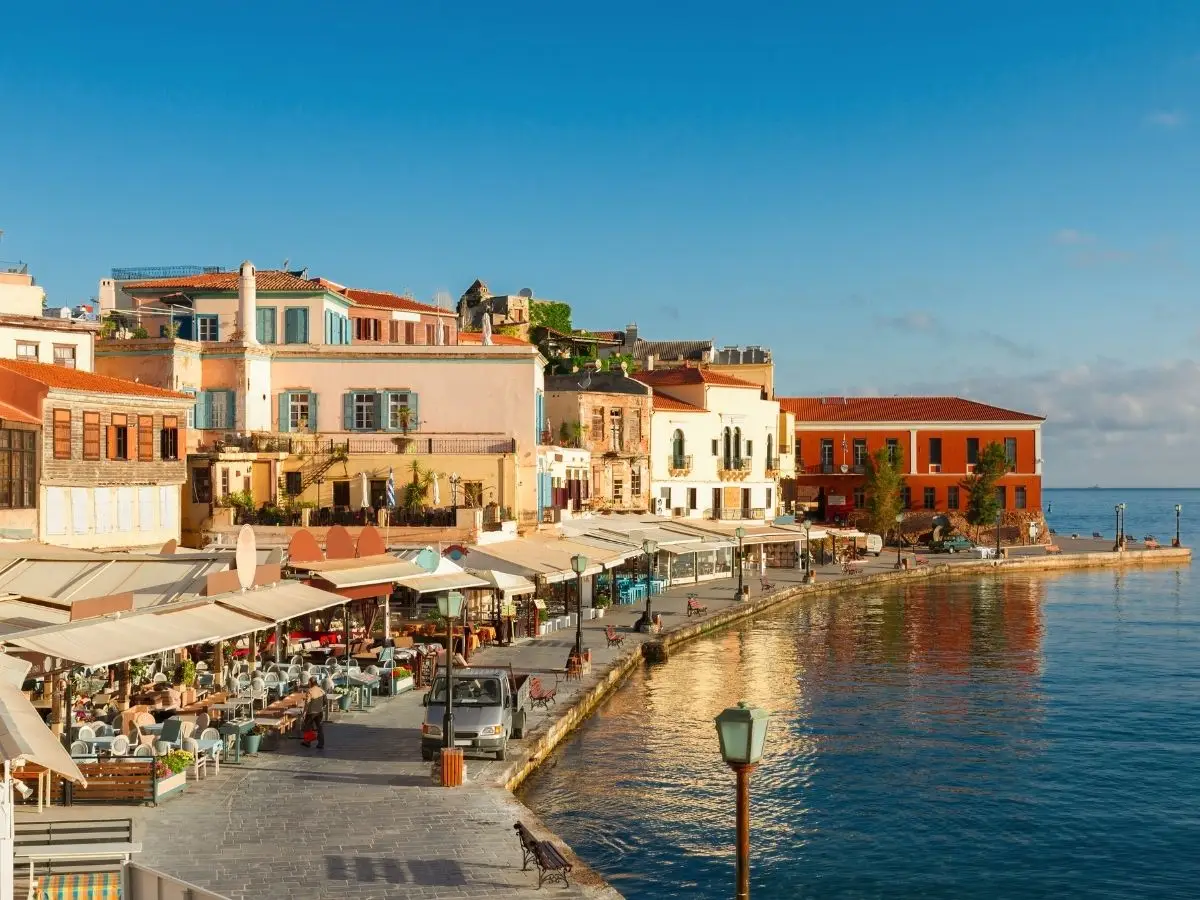
- Crete is big. Too big for a casual port day if you’re hoping to tick off multiple regions. Most cruise ships dock either in Heraklion on the north coast (gateway to Knossos and the archaeological museum) or Chania in the northwest (Venetian harbour, old town charm, and access to the Samaria Gorge for the very keen). Occasionally you’ll find itineraries that call at both, which is the smart way to see Crete’s range.
- Heraklion works if archaeology tops your list. Knossos, the Minoan palace complex, sits about 15 minutes’ drive from the port and delivers proper ancient history alongside some enthusiastic reconstruction work that divides opinion. Pair it with the Archaeological Museum in Heraklion if you’ve got time and interest. Chania leans more atmospheric: a gorgeous Venetian harbour, winding old town streets, and excellent tavernas. If you’re after beaches like Balos Lagoon or Elafonissi, prepare for a long excursion or accept you’re not doing much else that day.
- The Heraklion cruise ship port guide covers the Knossos logistics, and honestly, that’s where most first-time visitors should focus their energy. Chania rewards wandering and eating more than ticking off sights, so save that for when your ship docks there or you’re back in Crete on a longer trip.
What to Do in Crete on a Port Day
- Heraklion option: Knossos palace tour plus Archaeological Museum if you’re efficient, or just Knossos if you want to linger
- Chania option: old town stroll, Venetian harbour, lighthouse, and a long seafood lunch at a waterfront taverna
- Beach day at Balos or Elafonissi only if you book a full-day excursion and accept you’re skipping everything else
- Aptera ancient ruins near Chania for a quieter archaeological hit without the Knossos crowds
- Local food markets in Heraklion or Chania if you’re into cheese, olives, honey, and taking home edible souvenirs
Rhodes: Medieval Walls and Proper Convenience
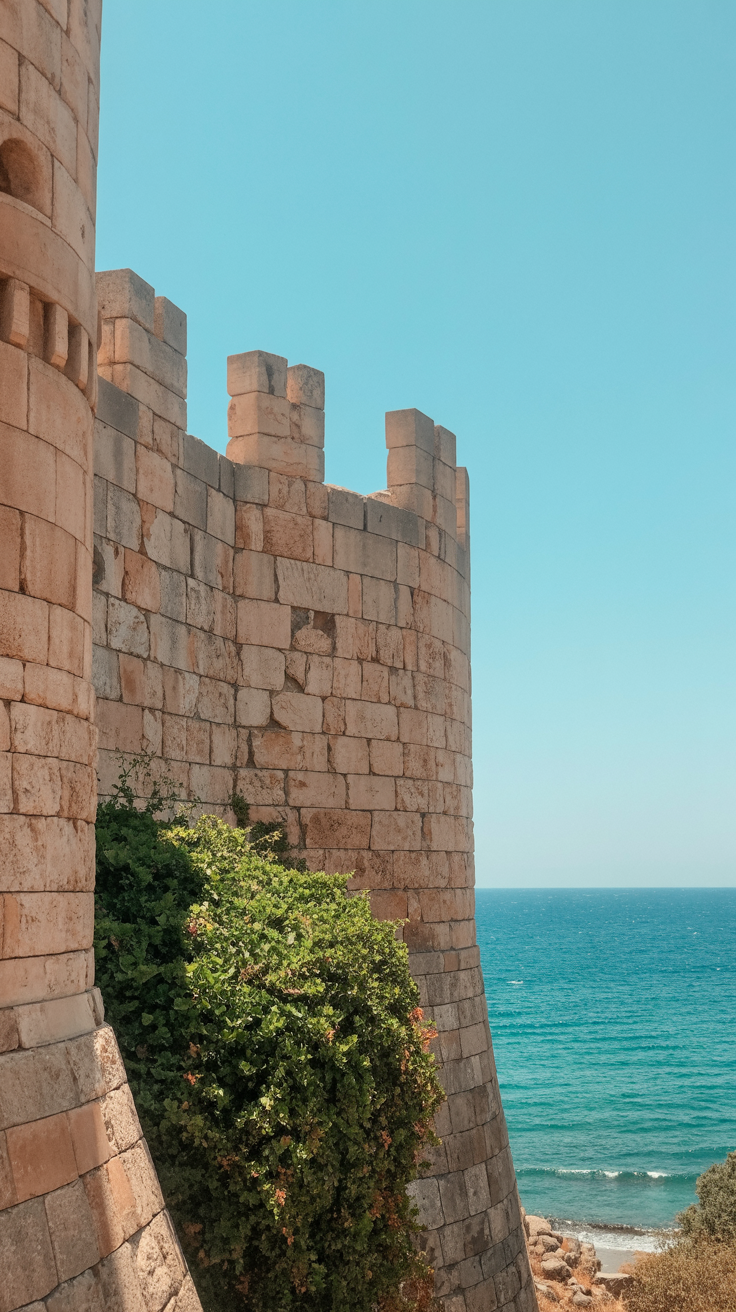
Rhodes gets overlooked in favour of Santorini and Mykonos, which is baffling because it’s one of the best-organised cruise ports in Greece. Your ship docks within a five-minute walk of the medieval old town, a UNESCO World Heritage Site with proper fortifications, the Palace of the Grand Master, and the atmospheric Street of the Knights. No tendering, no long transfers, no nonsense.
Beyond the old town, Lindos offers a hilltop acropolis with sea views and a picturesque village below, about an hour’s drive south. If your ship calls at Rhodes for a full day, you can comfortably do both the old town and Lindos. If it’s a shorter call, stay in Rhodes Town and save Lindos for another visit because rushing it diminishes both.
The Rhodes cruise ship port guide sorts out the walking routes and Lindos transport options, but honestly, this port is straightforward enough that you can just walk off the ship, turn right, and explore independently without much planning.
What to Do in Rhodes on a Port Day
- Walk the medieval old town, visit the Palace of the Grand Master, and explore the Street of the Knights
- Climb the fortifications for views over the harbour and modern town
- Shore excursion or taxi to Lindos for the acropolis and village, best done as a half-day trip if your ship allows
- Wander the modern waterfront and Mandraki Harbour if you want a break from the medieval atmosphere
- Lunch in the old town at a quiet courtyard taverna away from the main tourist drag
Corfu: Green, Venetian, and Surprisingly Un-Greek
Corfu doesn’t look like the other Greek islands. It’s green, lush, and shaped by centuries of Venetian and British rule, which gives the old town a different architectural flavour than the Cyclades or Dodecanese. Your ship docks walking distance from Corfu Town, where the Liston promenade, Spianada square, and Old Fortress make for an easy morning’s wander, though worth noting that Corfu is growing fast as a cruise destination, with passenger numbers up 22% in 2024, so the quieter-alternative reputation doesn’t hold on busy summer days the way it once did.
The other highlights require transport: Paleokastritsa on the west coast for beaches and sea caves, Kanoni for the famous Mouse Island postcard shot, or the Achilleion Palace if you’re into slightly kitsch 19th-century royal retreats. Corfu rewards a slower pace, so if your ship gives you a full day here, don’t overstuff the itinerary.
The Corfu cruise ship port guide covers the practicalities, but the short version is: walk into town, explore the old quarter, then decide whether you want beaches, views, or more town time based on how much your feet hurt and how hot it is.
What to Do in Corfu on a Port Day
- Corfu Town on foot: old town lanes, Liston promenade, Spianada square, and the Old Fortress if you’re keen on views
- Bus or taxi to Paleokastritsa for beaches, clear water, and sea caves
- Kanoni viewpoint for the Mouse Island photo, though it’s a bit of a tourist trap
- Achilleion Palace if you’re into Empress Sisi and slightly over-the-top neoclassical decor
- Lunch in Corfu Town at a taverna off the main tourist streets, the food here is better than you’d expect for a cruise port
Milos: Dramatic Coastline Without the Crowds
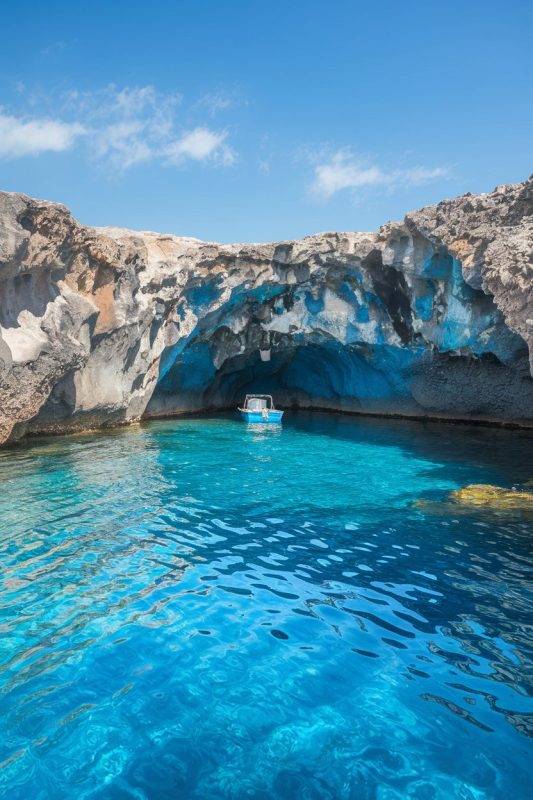
Milos flies under the radar because it doesn’t have the name recognition of Santorini or Mykonos, which is exactly why it’s worth prioritising if you’re on a repeat visit or you’re allergic to crowds. The island delivers dramatic volcanic coastline, Sarakiniko’s lunar white rock formations, and Kleftiko’s sea caves, all without the tour bus swarms.
Your ship will tender into Adamas, the main port, and most of the highlights require either a boat tour or a hired car. The smart move is booking a ship excursion to Kleftiko or Sarakiniko, or arranging a small-boat tour locally if you’ve got the time and inclination to sort it in advance. Trying to see Milos on foot from the port won’t give you the island’s best bits.
What to Do in Milos on a Port Day
- Boat tour to Kleftiko sea caves, this is the headline act and worth the time
- Sarakiniko beach for otherworldly white rock formations and swimming in clear water
- Catacombs of Milos if you’re into early Christian history, though they’re not as impressive as the natural attractions
- Firiplaka or other south coast beaches if your boat tour includes beach time
- Adamas town wander and seafood lunch if you want a lower-key morning before an afternoon excursion
Naxos and Paros: Beaches and Villages Without the Hype
Naxos and Paros often get swapped into itineraries as alternatives to Mykonos or Milos, and both deliver a more low-key Cycladic vibe. Naxos has the Portara (Temple of Apollo gateway) right by the port, a lovely old town, and some of the best beaches in the Cyclades at Agios Prokopios and Plaka. Paros centres on two main towns: Parikia near the port and Naoussa, a fishing village with excellent tavernas and the sort of charm that Mykonos had before it got famous.
Both islands work well for half-day or full-day calls, and neither requires elaborate logistics to enjoy. You can walk off the ship, explore the town, grab lunch, and either hit a beach or just soak up the village atmosphere without feeling like you’ve missed the main event.
What to Do in Naxos or Paros on a Port Day
- Naxos: Portara at the port entrance, old town stroll, then taxi or bus to Agios Prokopios beach
- Paros: Naoussa village for harbour views, seafood, and swimming at nearby Kolymbithres beach
- Local cheese and wine if you’re into food, both islands produce excellent dairy and Paros does a decent wine
- Shop for ceramics, jewellery, or leather sandals in the old town lanes
- Lunch at a taverna that’s not on the main waterfront, the food gets better one street back
Zakynthos: Navagio Beach and Weather Dependency
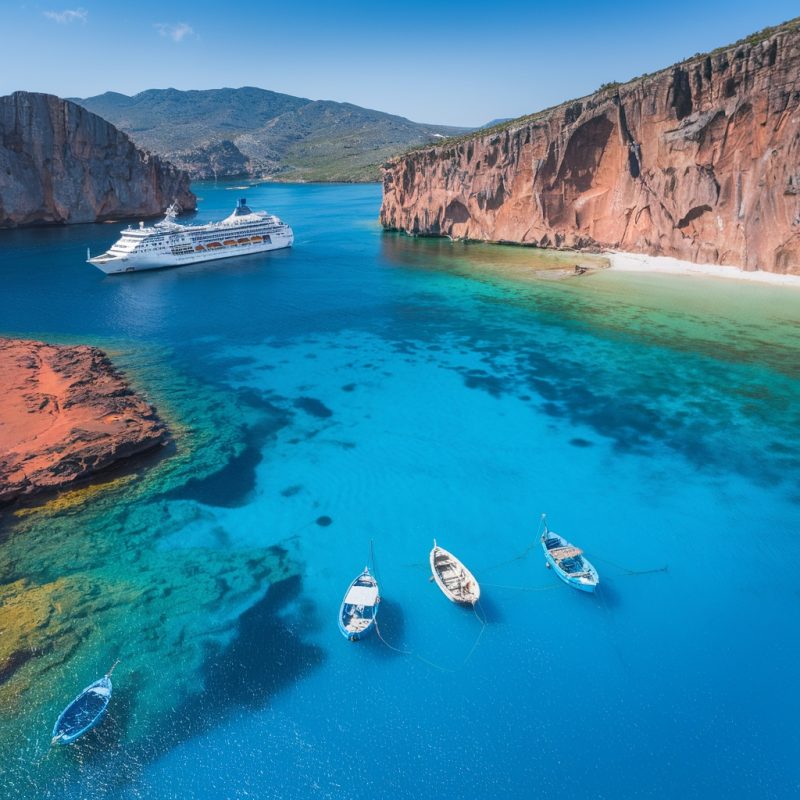
Zakynthos (also called Zante) exists on cruise itineraries for one reason: Navagio Beach, the shipwreck cove with turquoise water and a rusting boat hull that’s been photographed a million times. It’s genuinely spectacular, but getting there requires a boat trip, and the whole experience depends on weather and sea conditions. If it’s windy or rough, boats don’t run, and your port day becomes a wander around Zakynthos Town instead.
The Zakynthos cruise ship port guide explains the boat logistics, but the smart move is booking a ship excursion that includes Navagio and the Blue Caves so you’re guaranteed transport and don’t have to negotiate with local boat operators at the last minute. If the sea’s too rough and boats cancel, you’re better off exploring the island’s interior, olive groves, and traditional villages than moping about the missed photo op.
What to Do in Zakynthos on a Port Day
- Boat tour to Navagio Beach and Blue Caves, this is the main event
- Zakynthos Town for a stroll and lunch if the weather’s not cooperating with boat trips
- Mizithres rock formations on the south coast if your excursion includes them
- Traditional mountain villages like Keri or Volimes if you want a break from beaches
- Sea turtle spotting if you’re here in summer and your excursion goes through Laganas Bay
Kefalonia: Melissani Cave and Myrtos Beach
Kefalonia appeals if you want dramatic Ionian landscapes without the party vibe of some Aegean islands. The headline attractions are Melissani Cave, an underground lake with brilliant blue water and a partially collapsed roof that creates spectacular light effects, and Myrtos Beach, a white-pebble crescent bay backed by cliffs that photographs beautifully but requires a steep descent.
Most cruise ships dock at Argostoli, the island’s capital, which is pleasant enough but not particularly exciting. The real attractions require transport, so this is another port where a ship excursion makes sense unless you’re confident hiring a car and navigating independently. The Kefalonia cruise ship port guide covers the driving times and excursion trade-offs.
What to Do in Kefalonia on a Port Day
- Melissani Cave boat tour, this is a genuine highlight and works well as part of a half-day excursion
- Myrtos Beach for photos and swimming, though the descent is steep and the pebbles are hard on bare feet
- Assos village, a tiny fishing village with Venetian ruins and a lovely harbour
- Argostoli town for a low-key wander, morning market, and waterfront lunch
- Local wineries if your ship offers a wine-focused excursion, Kefalonia produces decent Robola white wine
Shore Excursions Versus Going Independent
- The shore excursion versus independent debate plays out differently depending on which Greek island you’re visiting. At Rhodes or Corfu, where the port drops you walking distance from the main sights, going independent is easy and gives you flexibility to explore at your own pace. At Santorini or Zakynthos, where the highlights require transport or boat trips, ship excursions start looking more sensible.
- Ship excursions guarantee you’ll get back on time (the ship won’t leave without its own tour groups), handle all transport and entry fees, and usually include a guide. The trade-offs are higher cost, less flexibility, and sometimes spending half your port day on a coach with 40 other people. Independent exploration costs less, lets you move at your own speed, and gets you away from the tour group crowds, but requires more research and carries the risk that you’ll misjudge timing or transport and end up watching your ship sail away without you.
- For first-time cruisers or anyone anxious about logistics, book ship excursions at ports like Santorini, Crete (for Knossos), and Zakynthos. For confident independent travellers, Rhodes, Mykonos Town, Corfu Town, and Naxos all work brilliantly without a tour group. The middle ground is booking local tours through operators you’ve researched in advance, which often cost less than ship excursions and feel more personal.
Docking Versus Tendering: What It Actually Means for Your Port Day
Docking means your ship pulls alongside a pier and you walk straight off. Tendering means the ship anchors offshore and ferries passengers to land using smaller boats called tenders. Tendering adds time, queues, and weather dependency to your port day, and if you’re not organised, you can lose an hour or more just getting ashore.
Santorini and Mykonos almost always tender. At Santorini, if you’re unlucky, the tender drops you at the base of a cliff and you queue for the cable car up to Fira. Mykonos tenders into the old port, which at least puts you close to town. Rhodes, Crete, Corfu, and Kefalonia typically dock, which makes logistics much simpler. When you’re choosing between Greek island cruise itineraries, check which ports tender and factor in that you’ll lose part of your day to the process.
A method of getting passengers ashore when a cruise ship cannot or does not dock at a pier. The ship anchors offshore and uses smaller boats (tenders) to ferry passengers to land. Tendering takes longer than walking off a docked ship and can be cancelled if weather conditions make it unsafe. Passengers with mobility issues or those who’ve booked ship excursions usually board tenders first.
What to Pack for Greek Island Port Days
Greek island port days reward comfortable walking shoes more than anything else. Cobblestones, ancient ruins, and steep village lanes all punish anyone who’s prioritised style over grip and cushioning. Pack proper walking shoes with good support for full days of exploring uneven surfaces.
- Comfortable walking shoes with grip for cobblestones and uneven surfaces
- Sun hat and reef-safe sunscreen that won’t damage coral reefs, the Greek sun is brutal even when it doesn’t feel that hot
- Swimsuit and quick-dry travel towel if there’s any chance you’ll hit a beach
- Light layers because mornings can be cool and windy, especially in shoulder season
- Small daypack for water, sunscreen, and any shopping you pick up
- Cash in euros for smaller purchases, tavernas, and tips, not every place takes cards
- Refillable water bottle, you’ll drink more than you expect
- Phone or camera charger if you’re taking a lot of photos, your battery won’t last all day
Best Greek Island Cruise Itineraries: What Works in Seven to Ten Days
Most Greek island cruises run seven to ten days, which gives you time for four to six port calls plus a couple of sea days. The classic Aegean route typically includes Santorini, Mykonos, Crete (Heraklion), Rhodes, and sometimes Athens (via Piraeus port) or a Turkish port like Kusadasi. This itinerary covers the greatest hits and works well for first-time visitors who want the full Greek island experience.
If you prefer fewer crowds and more varied landscapes, look for Mediterranean cruise ports in Greece that include Milos, Naxos, or Paros alongside one or two of the bigger names. The Ionian alternative, which focuses on Corfu, Kefalonia, and Zakynthos, delivers greener scenery and calmer ports but misses the iconic Cycladic look that most people picture when they think of Greece.
| Itinerary Type | Typical Ports | Duration | Best For |
|---|---|---|---|
| Classic Aegean | Santorini, Mykonos, Crete, Rhodes, Piraeus | 7 days | First-timers, iconic sights, archaeology |
| Cyclades Focus | Santorini, Naxos, Paros, Milos, Syros | 7–9 days | Beaches, fewer crowds, repeat visitors |
| Ionian Islands | Corfu, Kefalonia, Zakynthos, Ithaca | 7 days | Green landscapes, calmer pace, less tourism |
| Extended Aegean | Santorini, Mykonos, Crete, Rhodes, Patmos, Kusadasi | 9–10 days | More time per port, archaeology fans |
The best Greek island cruise itineraries balance famous ports with one or two quieter stops, allow enough time in port to actually see things without rushing, and don’t cram too many sea days into a short trip. Seven days with four ports works better than seven days with six ports, because you’ll spend less time packing, unpacking, and racing all-aboard times.
Greek Island Cruises on Small Ships: When It’s Worth Paying More
Most big cruise ships carry two to four thousand passengers, which means every port day involves queues for tenders, crowded excursions, and competing with hundreds of others for the same lunch tables and photo spots. Small ship cruising solves this by carrying 100 to 500 passengers instead, which completely changes the port experience.
Small ships can access smaller ports that big ships skip, like Monemvasia, Hydra, or tiny Dodecanese islands that don’t have the infrastructure for mass tourism. They also dock more often than tender, and when they do tender, you’re waiting minutes instead of an hour. The food tends to be better, the excursions more personal, and the pace less frantic. You’ll pay more per day, but the experience is significantly better if you value flexibility and hate crowds.
Small Ship Operators Worth Considering for Greek Islands
- Celestyal Cruises runs Greek island-focused itineraries with smaller ships and overnight port stays, particularly strong in the Cyclades
- Azamara and Oceania both offer upmarket small-ship Greek itineraries with longer port times and more unusual stops
- Windstar operates sailing ships in the Greek islands with a focus on the Ionian coast and Cyclades
- SeaDream Yacht Club does ultra-small-ship luxury with more flexible itineraries and time for swimming from the ship’s marina platform
- Variety Cruises operates small Greek-flagged ships with local crew and more authentic port calls
Practical Warnings: What Cruise Lines Don’t Tell You About Greek Island Ports
Cruise lines sell Greek island itineraries with sun-drenched photos and promises of easy exploration, but they downplay the realities that can derail your port day. Here’s what you need to know before you arrive.
- Tendering can eat half your port time at Santorini and Mykonos, especially if multiple ships are in port and you’re not first off
- Santorini’s cable car queues can hit 45 minutes each way, plan accordingly or book an excursion that uses the port road instead
- Cruise ship crowds overwhelm smaller islands like Mykonos and Santorini between 10am and 3pm, time your visit early or late
- Many Greek island highlights require transport from the port, walking distance claims in cruise brochures can be optimistic
- Shore excursion timing is conservative, you’ll often get less time at the actual sight than advertised because of coach travel and group management
- Beaches near cruise ports get packed when ships are in, if you want a decent swim, you need transport to quieter spots
- Shops and restaurants near the port charge cruise ship prices, walk 10 minutes inland and costs drop noticeably
- All-aboard time is non-negotiable, ships have left passengers behind at Greek ports, and getting to the next port independently is expensive and stressful
- Weather can cancel tenders or boat excursions with little notice, have a backup plan if your port day depends on getting to an offshore island or beach
When to Visit: Greek Island Cruise Seasons and What They Mean
Greek island cruise season runs April through October, with peak season in July and August. Peak season delivers guaranteed sun and warm water but also delivers peak crowds, peak prices, and temperatures that can hit 35°C or higher. May, June, and September offer a better balance: warm weather, calmer seas, fewer crowds, and lower prices on shore excursions and independent travel.
April and October sit at the edges of the season. You’ll find cooler temperatures, occasional rain, and some tourist infrastructure closed or running limited hours, but you’ll also find dramatically fewer crowds and good deals on cruises. If archaeology and sightseeing matter more to you than beach time, shoulder season is the smart choice. If you want guaranteed hot beach weather, stick to June through September.
Strong, dry northerly winds that blow across the Aegean Sea during summer, particularly July and August. The meltemi can make tendering difficult or impossible, cause ferry cancellations, and create choppy seas even on sunny days. They’re most common in the Cyclades and can disrupt port calls at Santorini and Mykonos with little warning.
Where to Stay Before or After Your Greek Island Cruise
Most Greek island cruises depart from Piraeus, the port that serves Athens, though some start from Heraklion in Crete or other islands. If you’re flying in the day before your cruise (which you absolutely should, never risk a same-day flight to embarkation), you’ll need a hotel near the departure port or in Athens.
Piraeus itself is functional but not charming. Most people stay in Athens and travel to the port on embarkation day, which takes 30 to 40 minutes by taxi or metro. Athens gives you the Acropolis, Plaka neighbourhood, and excellent food, which makes for a far better pre-cruise experience than a chain hotel in Piraeus. If your cruise leaves from Heraklion, stay in the old town near the Venetian harbour, not out by the port.
The Piraeus Athens Greece port guide covers the transport logistics between Athens and the cruise terminal, which matters more than you’d think when you’re dragging luggage in summer heat.
What to Eat at Greek Island Ports
Greek island port restaurants divide into tourist traps on the main waterfront and decent tavernas one or two streets back. The tourist traps have multilingual menus, photos of the food, and aggressive staff waving you inside. The decent places have handwritten menus in Greek and English, locals eating there, and no one hassling you from the street.
Order the obvious classics: Greek salad (horiatiki), grilled octopus, moussaka, fresh fish sold by weight, and any of the meze small plates. Avoid places offering British breakfasts, pizza, or “international cuisine” because they’re optimising for cruise ship passengers who won’t eat anything unfamiliar. Drink the local wine, which is better than its reputation suggests, and save the cocktails for back on the ship.
- Horiatiki (Greek salad): tomatoes, cucumber, olives, feta, olive oil, no lettuce
- Grilled octopus: simple, excellent, and available everywhere
- Moussaka: layered aubergine, meat sauce, and béchamel
- Saganaki: fried cheese, sometimes flambéed, always good
- Fresh fish: sold by weight, grilled simply, check the price before ordering
- Dolmades: stuffed vine leaves, better as a starter than a main
- Tzatziki and pita: order extra, you’ll want it
- Local wine: Assyrtiko from Santorini, Robola from Kefalonia, or Xinomavro reds
Common Questions About Greek Island Cruises
Which Greek island is best for a first-time cruise visitor?
Santorini delivers the iconic Greece experience with caldera views and whitewashed villages, though crowds can be intense. Rhodes offers better logistics with the medieval old town a five-minute walk from where your ship docks. Both work brilliantly for first-timers, pick Santorini if views matter most, Rhodes if you value convenience.
Do I need to book shore excursions in advance for Greek islands?
Book in advance for Santorini, Crete (Knossos), and Zakynthos where transport or boats are required. Rhodes, Mykonos Town, and Corfu work fine independently without pre-booking. Popular excursions sell out, so booking early gives you better choice and timing.
Can you explore Greek islands independently or do you need a tour?
Rhodes, Corfu, and Mykonos Town are all walkable from the cruise port and easy to explore independently. Santorini, Crete, and Zakynthos require transport to reach the main attractions, making tours more practical unless you’re confident hiring taxis or buses on limited time.
How long does tendering take at Santorini and Mykonos?
Expect 30 to 60 minutes each way depending on how many ships are in port and when you queue for the tender. Early morning tenders move faster. At Santorini, add another 20 to 45 minutes for the cable car queue up to Fira.
What is the best time to cruise the Greek islands?
May, June, and September balance warm weather with fewer crowds and lower prices. July and August guarantee hot sun but deliver peak crowds and heat that can be uncomfortable for sightseeing. April and October work if you prioritise quiet ports over beach weather.
Are Greek island cruises suitable for families with children?
Larger ships with kids’ clubs and pools work well for families. Greek island ports offer beaches, ancient ruins, and boat trips that appeal to children, though long coach excursions and archaeological sites test the patience of younger kids. Rhodes, Corfu, and beach-focused islands like Zakynthos suit families better than Santorini or Delos.
Which Greek islands have the best beaches accessible from cruise ports?
Mykonos, Naxos, Paros, and Zakynthos deliver proper sandy beaches within reasonable distance of the port. Corfu and Kefalonia offer excellent beaches but require transport. Santorini’s beaches are darker volcanic sand and not the main reason to visit.
Do I need euros for Greek island port days?
Yes, carry euros in cash for smaller tavernas, market stalls, tips, and taxis. Cards work in larger shops and restaurants, but cash is essential for independent exploration away from the main tourist areas.
What happens if I miss the ship at a Greek island port?
You’re responsible for getting yourself to the next port at your own expense, which can involve flights, ferries, and hotels. Travel insurance with cruise cover may help with costs. Ship excursions guarantee you won’t be left behind, independent travellers need to watch timing carefully.
Why Trust About2Cruise for Greek Island Port Advice
This guide comes from direct port experience, not recycled press releases or generic travel advice. Here’s why you can trust what you’ve read.
- I’m Jo, I’ve visited and researched these Greek island ports across multiple cruise lines and seasons, including tendering at Santorini when three ships were anchored and timing shore time at Rhodes to avoid coach tour swarms
- We update this guide when port infrastructure changes, new cruise lines add Greek itineraries, or reader feedback highlights timing or logistics that need clarifying
- We don’t take payment from cruise lines or tour operators for recommendations, this is honest advice based on what actually works in limited port time
For more on how we research and write port guides, visit our about us page.
Last Updated: 26 February 2026