
Trieste is a walkable cruise port on Italy’s Adriatic coast with a Habsburg heritage, a world-class coffee culture and Europe’s largest sea-facing square a fifteen-minute stroll from the ship. The cruise terminal sits right beside the city centre, so you can explore Austro-Hungarian palaces, hilltop castles and waterfront cafés without a tour bus.
This guide covers Trieste’s cruise terminal location and facilities, transport into the historic centre, what to see in a half-day or full day ashore, honest advice on shore excursions versus independent exploration, practical warnings, where to eat near the port and seasonal tips for first-time visitors.
| Detail | Information |
|---|---|
| Port Name | Porto di Trieste (Trieste Maritime Station) |
| Country | Italy |
| Nearest City | Trieste city centre |
| Distance to Centre | Walking distance, budget around 15–20 minutes on foot from the main terminal to Piazza Unità d’Italia |
| Currency | Euro (EUR) |
| Language | Italian, with German heritage visible in older signage; tourism staff usually speak English |
| Port Type | Mixed commercial and cruise port; cruise terminal separate from freight areas |
Essential Port Day Checklist
- Check your berth location. The main terminal is central, but satellite piers may require a shuttle transfer. Ask at the excursion desk the evening before.
- Wear comfortable shoes. Trieste’s historic centre includes cobbled streets and uphill sections, especially if you visit Castello di San Giusto. Proper walking shoes with cushioned soles will make the steep climb to San Giusto and the cobbled streets far more comfortable.
- Carry small euro notes. Coffee bars and smaller shops may not accept card payments for low-value purchases.
- Factor in cafe time. Trieste’s coffee culture is the point of coming here. Budget at least thirty minutes for a proper sit-down espresso.
- Download an offline map. The city centre is compact, but mobile data can be patchy inside Habsburg-era buildings.
- Check all-aboard time carefully. Trieste is often a turnaround port, so departure windows can be tighter than a standard port of call.
Trieste Cruise Port and Terminal Practicalities
The cruise terminal at Trieste sits right on the waterfront beside Piazza Unità d’Italia, making it one of the most convenient ports in the Adriatic Sea for Mediterranean cruise itineraries. Ships berth at the Maritime Station, which handled over 425,000 cruise passengers in recent years, confirming Trieste’s steady role as a major Mediterranean hub. The port also handles significant commercial freight, but cruise passengers are processed in a separate terminal area with its own exit routes.
Terminal Facilities
The passenger terminal building is functional rather than luxurious. Inside you will find basic facilities including toilets, a small café and an information desk that stocks city maps. There is no shopping arcade or extensive services like you find in larger cruise ports such as Venice’s cruise port terminals. The terminal does have free Wi-Fi, though the signal can be unreliable when ships are at peak capacity. Outside, you will see taxi ranks, tour-bus parking and a small kiosk selling SIM cards and bottled water.
Port of Trieste Map and Layout
The Port of Trieste spans a large area that includes container terminals, rail connections and the cruise terminal. For cruise passengers, the relevant section is the Maritime Station, which sits at the southern edge of the port complex immediately adjacent to the city’s historic waterfront. If you are docked at the main cruise berth, you will walk directly off the ship into the terminal building and out onto the promenade. Satellite berths are less common but do exist; in those cases, expect a short shuttle bus transfer to the main terminal before you can exit on foot. The cruise port map provided by your ship or at the information desk will show your berth location and the shortest walking route into the city centre.
Getting Into Town
- Walking: If you are berthed at the main terminal, you can walk to Piazza Unità d’Italia in fifteen to twenty minutes. Exit the terminal building, turn left onto the waterfront promenade and follow the seafront. The route is flat, well-signposted and offers clear views across the Gulf of Trieste. You will pass cafés, benches and the occasional street vendor. On a warm day, this is a pleasant stroll. On a rainy or very hot day, you might prefer a taxi.
- Taxi: Taxis wait outside the terminal building. A ride to the city centre will cost more than a coffee but less than a shore excursion transfer. Fares are metered, and drivers are generally straightforward. If you are heading to Miramare Castle, expect to pay significantly more than a short city-centre hop, but still budget-friendly compared to private transfers in other Italian ports.
- Local buses: Trieste’s municipal buses serve the port area, but the routes and timetables can be confusing if you do not speak Italian. Bus stops are located a short walk from the terminal exit. If you prefer public transport, ask at the port information desk for the correct line number and stop location. For most cruise passengers, walking or taking a taxi is simpler.
- Shore excursion shuttles: Many cruise lines offer a shuttle service into the city centre, either included in your fare or sold separately. These buses drop you at or near Piazza Unità d’Italia and pick you up at a set time. If you have mobility concerns or prefer a guaranteed return transfer, this is the safest option.
Walking Distance Realities
Trieste is one of the few cruise ports where walking into town is genuinely practical for most people. The city centre is flat, the route is straightforward and the distance is manageable even if you are not a confident walker. However, if you plan to visit Castello di San Giusto or other hillside sights, be prepared for steep inclines and uneven paving. If you have limited mobility, a taxi or shore excursion is a better choice than attempting the uphill sections on foot.
Miramare Castle, one of Trieste’s most popular attractions, is not within walking distance of the cruise terminal. It sits about seven kilometres north of the port along the coastal road. You will need a taxi, local bus or organised excursion to reach it. The journey takes around fifteen to twenty-five minutes by car, depending on traffic. Do not assume you can stroll there and back in a half-day port call; it is doable, but only if you plan your timing carefully.
What to Do in Trieste
Half-Day Ashore
- Piazza Unità d’Italia. Europe’s largest sea-facing square, surrounded by grand Habsburg-era palazzi. Spend twenty minutes walking the perimeter, taking photos and soaking in the scale of the architecture. The square is also home to several historic cafés with outdoor seating.
- Historic coffee houses. Trieste has a coffee culture that rivals Vienna. Stop at Caffè San Marco, a belle-époque institution with original fittings, marble tables and a newspaper-reading crowd. Order a caffè triestino, a shot of espresso served in a small glass, or a cappuccino if you prefer milk. This is not a takeaway culture; sit down and stay for at least twenty minutes.
- Canal Grande and the Roman theatre. A short walk from Piazza Unità d’Italia, the Canal Grande is a small waterway flanked by neoclassical buildings. Nearby, you will find the remains of a Roman theatre, visible from street level. Both are free to visit and take less than thirty minutes combined.
- San Giusto hill. If you have the energy, walk or take a taxi up to Castello di San Giusto and the adjacent cathedral. The hilltop offers panoramic views over the city and the Gulf of Trieste. Budget around an hour including travel time if you walk, less if you taxi up and walk down.
Full Day Ashore
- Miramare Castle. This is Trieste’s headline attraction and worth the journey if you have a full day. Built in the 1850s for Archduke Ferdinand Maximilian of Austria, the castle sits in landscaped gardens overlooking the Adriatic. Rooms are preserved with original furnishings, and the cliff-edge setting is genuinely dramatic. Budget two to three hours including travel time from the port. Entry tickets are sold on-site; arrive early in summer to avoid coach-tour crowds.
- Combine city sights with Miramare. A full-day plan might include a morning coffee stop and stroll around Piazza Unità d’Italia, a taxi ride to Miramare mid-morning, lunch at a waterfront restaurant on the way back and a final wander through the city centre before returning to the ship. This gives you a balanced mix of culture, architecture and scenery without rushing.
- Lipica Stud Farm. If you have already visited Trieste on a previous Mediterranean cruise, consider a half-day excursion to Lipica, the birthplace of the Lipizzaner horses. The farm sits just over the border in Slovenia, around forty minutes from Trieste by car. You will need a pre-booked tour or private transfer; this is not practical to visit independently unless you have arranged a rental car in advance.
If You Have Been Before
- Grotta Gigante. One of the world’s largest accessible caves, located about fifteen kilometres inland from Trieste. The cavern is vast, with guided tours running hourly. You will need a taxi or organised excursion; the visit takes around two hours including travel time.
- Slovenian coastal towns. If you fancy a cross-border day trip, the Slovenian towns of Koper and Piran are within an hour’s drive. This requires either a pre-arranged private tour or a rental car, and you must carry your passport for the border crossing.
- Deep dive into coffee culture. Beyond the tourist cafés, Trieste is home to Illy, one of the world’s most famous coffee brands. While there is no official factory tour for cruise passengers, you can visit specialist coffee roasters and tasting rooms in the city centre. Ask at the tourist information office in Piazza Unità d’Italia for current recommendations.
- Jewish heritage walking tour. Trieste has a significant Jewish history, including a beautifully preserved synagogue and a small museum. This is a quieter, less-visited side of the city and suited to repeat visitors looking for something off the standard itinerary.
Shore Excursions Versus Independent Exploration
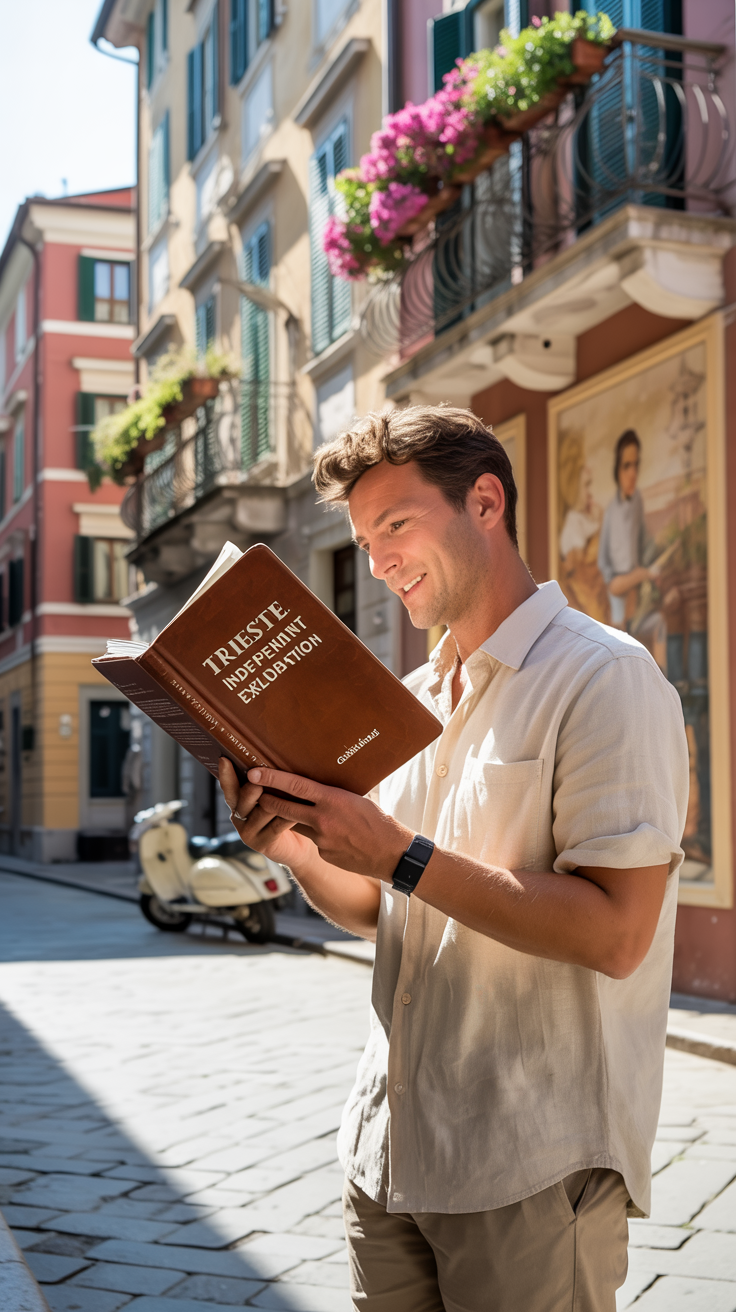
Trieste is one of those rare cruise ports where going independent is not only feasible but often preferable. The city centre is genuinely walkable, the main sights are clustered together and the port is so close to Piazza Unità d’Italia that you can be sipping an espresso within twenty minutes of stepping off the ship. That said, shore excursions do make sense in certain situations, particularly if you want to visit Miramare Castle without worrying about taxis or timing.
When to Go Independent
- You are happy exploring on foot. If your plan is to wander the historic centre, visit a coffee house and climb to San Giusto Castle, you do not need a tour. Everything is signposted, distances are manageable and you will save the cost of an excursion.
- You have visited before. Repeat visitors benefit from the flexibility of independent travel. You can revisit favourite cafés, explore quieter streets or take a taxi to a specific sight without being tied to a coach schedule.
- You prefer a slower pace. Shore excursions to Trieste tend to rush through the city centre and Miramare Castle in a single morning or afternoon. If you prefer to linger over a coffee or spend an hour in the castle gardens, independent travel gives you that freedom.
When to Book a Shore Excursion
- You want to visit Miramare Castle without logistical stress. Organised excursions handle transport, entry tickets and timing, which removes the hassle of finding a taxi, negotiating fares and ensuring you return to the ship on time. If this is your only port day in Trieste and Miramare is a priority, an excursion is the safer choice.
- You have mobility concerns. Tours include coach transfers and avoid the uphill sections of the city centre. If walking is difficult, a shore excursion will make your day more comfortable.
- You want guaranteed return timing. If your ship sails in the late afternoon and you are nervous about cutting it fine, a cruise-line excursion guarantees the ship will wait if your coach is delayed. Taxis and public transport do not come with that protection.
- You prefer a guided experience. Trieste’s Habsburg history is layered and complex. A good guide can bring the architecture and coffee culture to life in ways that a map and a guidebook cannot.
Alternative: Organised Tours for Independent Travellers
If you want the flexibility of independent travel but prefer a structured activity, pre-book a small-group walking tour or private guide through a platform that offers a wide choice of Italian Mediterranean cruise port excursions. These tours meet you at the port or in the city centre, run for two to three hours and then release you to explore on your own. You get local expertise without losing your afternoon.
Practical Warnings
- The Bora wind can be brutal. Trieste is famous for the Bora, a cold north-easterly wind that can gust at over 100 kilometres per hour in winter and spring. If you visit in cooler months, pack a windproof rain jacket that can handle strong gusts even if the forecast looks calm. The wind can make outdoor sightseeing unpleasant and can delay ship departures.
- Miramare Castle is further than it looks. From the ship, you can see Miramare Castle perched on the coastline to the north. It looks close. It is not. You cannot walk there in any reasonable timeframe. Budget for a taxi or excursion, and do not assume you can squeeze it into a half-day port call unless you have planned your timing carefully.
- Cafés close in the afternoon. Many historic coffee houses close for a few hours in the mid-afternoon, particularly in quieter months. If you want to visit Caffè San Marco or a similar institution, aim for mid-morning or late afternoon. Do not assume it will be open at 3pm.
- Not all berths are equal. If your ship docks at a satellite berth, you will need a shuttle transfer before you can exit on foot. Check your berth location the night before at the excursion desk and factor in extra time if you are planning an independent day.
- The city centre is busier than you expect. Trieste is not a sleepy port town. It is a working city with local traffic, commuters and school groups. The streets around Piazza Unità d’Italia can be crowded, especially on weekdays. If you prefer quieter sightseeing, arrive early or visit in the shoulder season.
- Uphill sections are steep. The walk to Castello di San Giusto involves a sustained climb on narrow, cobbled streets. If you have knee problems or limited fitness, take a taxi up and walk down, or skip the castle altogether.
- Tour groups dominate Miramare. If you visit Miramare Castle independently, arrive before 10am or after 2pm to avoid the coach-tour rush. The castle interior is small, and when multiple groups arrive at once, rooms become uncomfortably crowded.
- Currency exchange at the port is poor value. If you need euros, withdraw cash from an ATM in the city centre rather than using the currency exchange kiosk at the terminal. The rates are significantly better, and ATMs are plentiful around Piazza Unità d’Italia.
Where to Stay Before Your Cruise From Trieste
Trieste serves as a turnaround port for some cruise itineraries, particularly those focusing on Croatian Adriatic ports and the northern Mediterranean. If you are joining your ship in Trieste, it is worth arriving the night before to avoid the stress of a same-day connection. Staying in the city centre also gives you an evening to explore the waterfront and enjoy dinner at a proper sit-down restaurant rather than rushing straight onto the ship.
- City centre hotels. The most convenient area to stay is within walking distance of Piazza Unità d’Italia. You will find a mix of mid-range chain hotels and smaller boutique properties. Book early if you are travelling in summer; Trieste is a popular weekend destination for Italians and Austrians, so availability can be tight.
- Waterfront promenade. Hotels along the seafront offer views over the Gulf of Trieste and are a short walk from both the cruise terminal and the historic centre. These properties tend to be slightly more expensive but offer a more scenic setting.
- Budget options near the station. Trieste’s main train station is a fifteen-minute walk from the port and the city centre. The area around the station has cheaper guesthouses and budget hotels, though the neighbourhood is less charming than the waterfront.
- Pre-book a taxi to the port. If you are staying in the city centre the night before your cruise, arrange a taxi pick-up with your hotel reception rather than trying to hail one on the street. The port is close, but luggage makes walking impractical, and taxis can be scarce early in the morning when multiple ships are in port.
Where to Eat Close to the Port
Trieste’s food culture reflects its Austrian and Slovenian influences as much as its Italian heritage. You will find goulash, strudel and central European pastries alongside seafood and pasta. The area around the cruise port and Piazza Unità d’Italia has a good selection of restaurants and cafés, though quality varies. Avoid the obvious tourist traps with multilingual menus and photo boards; instead, look for places with a local lunchtime crowd.
- Seafood along the waterfront. Several restaurants along the promenade serve fresh Adriatic fish, calamari and shellfish. Expect to pay more than you would inland, but the setting and quality justify the premium. Arrive before 1pm if you want a table with a sea view; these fill up quickly when cruise ships are in port.
- Osmize. These are traditional Slovenian-style taverns serving cold cuts, cheese, bread and local wine. Osmize are usually found in the hills around Trieste rather than in the city centre, but a few have opened closer to the waterfront in recent years. They offer simple, honest food at lower prices than formal restaurants.
- Caffè Tommaseo and Caffè degli Specchi. Both are historic coffee houses on Piazza Unità d’Italia that also serve light meals and pastries. The food is secondary to the setting, but if you want a quick lunch in a beautiful room, either will do the job. Do not expect fast service; this is a sit-down, linger-over-coffee culture.
- Trattorias in the old town. The narrow streets between Piazza Unità d’Italia and the Roman theatre are home to several small trattorias serving hearty, affordable meals. Look for daily specials written on chalkboards rather than glossy menus. Jota, a thick bean-and-sauerkraut soup, is a local speciality and worth trying if you want something warming and filling.
- Skip the terminal café. The small café inside the cruise terminal serves acceptable coffee and snacks, but it is overpriced and underwhelming. Walk five minutes into the city and you will find better coffee at half the price.
Weather in Trieste
| Month | Average High (°C) | Average Low (°C) | Notes |
|---|---|---|---|
| January | 8 | 3 | Cold and windy; Bora winds are common. Not ideal for outdoor sightseeing. |
| February | 9 | 3 | Still chilly; Bora winds can be fierce. Dress in layers and bring a windproof jacket. |
| March | 13 | 6 | Spring begins, but weather is unpredictable. Rain and wind are possible. |
| April | 16 | 9 | Mild and pleasant; a good time to visit before summer crowds arrive. |
| May | 21 | 13 | Warm and comfortable; ideal for walking tours and outdoor cafés. |
| June | 25 | 17 | Peak season begins; warm but not oppressively hot. Expect more cruise ships and tourists. |
| July | 28 | 19 | Hot and busy; book Miramare Castle visits early in the day to avoid midday heat and crowds. |
| August | 28 | 19 | Hottest month; locals take holidays, so some smaller shops and cafés close for August. |
| September | 24 | 16 | Shoulder season; warm, less crowded and more comfortable for walking. One of the best months to visit. |
| October | 18 | 11 | Cooler and quieter; rain becomes more frequent. Still pleasant for sightseeing. |
| November | 12 | 7 | Chilly and damp; Bora winds return. Fewer cruise ships in port. |
| December | 9 | 4 | Cold and windy; not a popular cruise season. Some attractions have reduced hours. |
Common Questions About Trieste Cruise Port
Can you walk from the cruise terminal into Trieste city centre?
Yes, if you are berthed at the main terminal. The walk to Piazza Unità d’Italia takes fifteen to twenty minutes along a flat, well-signposted waterfront promenade. Satellite berths may require a shuttle transfer before you can exit on foot, so check your berth location the night before at your ship’s excursion desk.
Is Miramare Castle worth visiting on a short port call?
Yes, but only if you have a full day or are willing to skip the city centre. Miramare sits seven kilometres north of the port and requires a taxi or organised excursion. Budget two to three hours including travel time, which makes it impractical for a half-day port call unless you ignore everything else Trieste offers.
What is the best way to get to Miramare Castle from the cruise port?
Taxis are the easiest option for independent travellers. They wait outside the cruise terminal and can take you directly to the castle entrance. Alternatively, local bus line 6 runs from the city centre to Miramare, but the stop locations and timetables can be confusing if you do not speak Italian. A shore excursion removes all logistical stress and includes return transport.
Are there luggage storage facilities at Trieste cruise port?
No official left-luggage service operates inside the cruise terminal. If you need to store bags before or after your cruise, your best option is a luggage storage service in the city centre near Piazza Unità d’Italia or at the main train station. Book in advance online to guarantee availability.
Do I need to book Trieste city sights in advance?
No advance booking is required for most attractions, including Piazza Unità d’Italia, the coffee houses and the Roman theatre. Castello di San Giusto and Miramare Castle sell entry tickets on-site, though Miramare can have queues in summer. If you want to avoid waiting, book a skip-the-line ticket online or join an organised excursion.
What currency do I need in Trieste?
Trieste uses the euro. Credit and debit cards are widely accepted in restaurants, shops and museums, but smaller cafés and market stalls may prefer cash. Withdraw euros from an ATM in the city centre rather than using the currency exchange kiosk at the cruise terminal, where rates are poor.
Is Trieste safe for cruise passengers?
Yes, Trieste is a safe city with low rates of serious crime. Pickpocketing can occur in crowded areas near the port and Piazza Unità d’Italia, so keep your belongings secure and avoid carrying unnecessary valuables. Be cautious of unofficial guides offering tours near the cruise terminal; stick to licensed operators or explore independently.
Can you visit Slovenia from Trieste on a cruise day?
Yes, but it requires careful planning. The Slovenian border is about fifteen kilometres from Trieste, and coastal towns such as Koper and Piran are within an hour’s drive. You will need a pre-arranged private tour or rental car, and you must carry your passport. This is only practical if you have a full day ashore and are comfortable with tight timing.
What is the best time of year to visit Trieste on a cruise?
Late spring and early autumn offer the best balance of comfortable weather, manageable crowds and reliable opening hours for attractions. May, June and September are ideal. July and August are hot and busy, while winter months bring cold winds and reduced cruise schedules.
Why Trust About2Cruise
- I am Jo, and I visited Trieste in spring to walk the waterfront, test the coffee houses and time the uphill climb to San Giusto Castle with a stopwatch.
- This guide is updated when port facilities change, new transport links open or reader questions highlight a gap in our advice.
- We do not accept payment from tour operators, hotels or cruise lines, so every recommendation here is based on what actually works for cruise passengers. You can read more about our editorial process and independence.