
Alaska hiking shore excursions offer cruise passengers opportunities to explore diverse terrain from rainforests to glaciers. Popular options include guided trails near port cities like Juneau, Ketchikan, and Skagway, ranging from easy nature walks to challenging mountain treks. Excursions typically include transportation, gear, and naturalist guides who share insights about wildlife, vegetation, and local history.
Quick Facts About Alaska Hiking Excursions
| Detail | Information |
|---|---|
| Typical Duration | 2-6 hours (port-friendly) |
| Difficulty Levels | Easy (boardwalks), Moderate (elevation gain), Strenuous (steep climbs) |
| Best Months | May through September |
| Average Group Size | 8-15 people (cruise line), 4-8 (independent operators) |
| What’s Usually Included | Transportation, naturalist guide, bear safety equipment, sometimes snacks |
| Price Range | $80-$200 per person |
Want to know more about all types of Alaska shore excursions available at cruise ports?
Choosing the Right Trail for Your Fitness Level
Alaska doesn’t mess around when it comes to trail classifications. An “easy” trail actually means easy – think mostly flat terrain on maintained boardwalks where grandma in her cruise sandals will be just fine. Moderate trails involve some huffing and puffing with elevation changes and potentially muddy or rocky sections. Strenuous hikes are legitimately challenging with steep ascents and require solid fitness levels.
The tricky part is that cruise passengers often overestimate their hiking abilities after months of gym elliptical sessions. A moderate Alaskan trail with uneven terrain and altitude changes hits different than your neighborhood walking path. Be honest with yourself about your fitness level because there’s no Uber coming to rescue you halfway up a mountain.
Port-Specific Hiking Highlights
- Juneau: The trails around Mendenhall Glacier in Juneau offer spectacular glacier views with varying difficulty levels from the easy Photo Point Trail to the more challenging West Glacier Trail
- Ketchikan: Rainforest hikes dominate here with lush vegetation and frequent wildlife sightings in the Tongass National Forest
- Skagway: Exploring hiking trails near Skagway includes Gold Rush history trails and mountain paths with stunning valley views
- Sitka: Coastal trails blend beach walking with forest paths and excellent opportunities for spotting sea otters and whales offshore
What to Pack and Wear
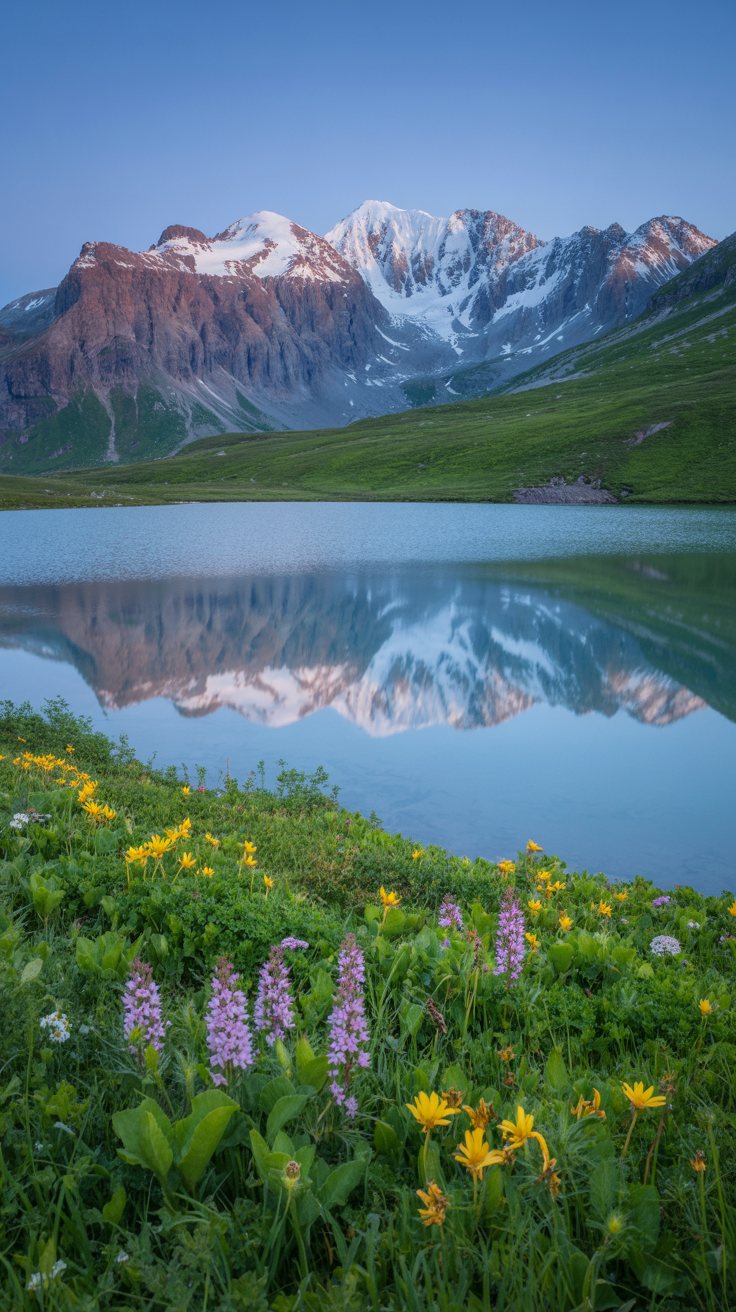
Waterproof hiking boots are non-negotiable even if the sun is blazing when you board the ship. Alaskan weather changes faster than a toddler’s mood and trails can be muddy regardless of current conditions. Those cute white sneakers you brought will be ruined within the first mile.
Essential Gear Checklist
- Waterproof hiking boots with ankle support (already broken in)
- Moisture-wicking base layer and warm mid-layer
- Waterproof jacket with hood
- Daypack (20-30 liter capacity)
- Water bottles (at least 1 liter)
- High-protein snacks and energy bars
- Bug spray with DEET (30% or higher)
- Sunscreen and sunglasses
- Small first aid kit with blister treatment
- Trekking poles if you have knee issues
- Camera with extra batteries
Layering is your best friend because you’ll peel off that fleece when you’re climbing uphill and throw it back on the moment you stop moving. Cotton is basically useless in Alaska – it stays wet and makes you cold. Synthetic or merino wool materials dry quickly and keep you warmer.
Wildlife Safety and Bear Awareness
Black bears and brown bears live throughout Southeast Alaska and you might encounter them on hiking trails. This isn’t a theoretical possibility – it happens regularly. Reputable tour operators carry bear spray and air horns and know how to handle wildlife encounters properly.
Here’s what surprises most first-time Alaska hikers: bears aren’t the only wildlife concern. Moose can be aggressive especially when they have calves. Porcupines look cuddly but those quills cause serious injuries. Even ravens are bold enough to steal food right from your hands.
Basic Wildlife Protocol
- Make noise while hiking – talk, clap, or use bear bells
- Never approach wildlife for photos (those zoom lenses exist for a reason)
- Stay in your group and follow guide instructions immediately
- Keep food secured in your pack
- If you see a bear, don’t run – back away slowly while facing the animal
Booking Smart: Cruise Line vs Independent Operators
Cruise lines markup shore excursions significantly but they guarantee the ship won’t leave without you. Independent operators cost 30-50% less and offer smaller group sizes with more personalized experiences. Check out this comprehensive booking guide for Alaska shore excursions to understand all your options.
The ship-wait guarantee matters most for excursions that run tight on timing. For hiking, you’re usually fine booking independently as long as you choose tours that end at least 90 minutes before all-aboard time. Most local operators know the cruise schedules better than you do and build in buffer time.
Where Independent Operators Excel
- Smaller groups (4-8 people vs 12-15)
- Guides who actually live in Alaska year-round
- Flexibility to adjust pace and stops
- Access to less-crowded trails
- Better photography opportunities without rushed timelines
Combining Activities for Maximum Adventure
Many hiking excursions pair well with other activities to create memorable combination tours. You can hike to a glacier then take helicopter tours over glaciers and icefields for aerial perspectives. Some operators combine rainforest hikes with zipline adventures through the canopy.
Popular combinations include:
- Hiking followed by gold panning experiences near historic mining areas
- Forest trail walks combined with Alaska Native cultural excursions
- Coastal hikes with sea kayaking expeditions
- Mountain trails accessed via scenic railway excursions
If you’re not the hiking type but want outdoor adventure, consider ATV adventures through backcountry trails, dog sledding on glaciers, or salmon fishing excursions instead.
Weather Considerations and What to Expect
Southeast Alaska receives substantial rainfall and weather changes happen fast. You might experience four seasons in a single afternoon. The Alaska shore excursion weather guide helps you prepare for conditions specific to each month.
Temperatures during cruise season range from 45-65°F typically but feel colder with wind and rain. Higher elevation trails can be 10-15 degrees cooler than sea level. Morning hikes often provide better visibility before afternoon clouds roll in.
Monthly Conditions Overview
- May: Longer daylight, cooler temps, less rain, possible snow on higher trails
- June: Peak daylight hours, wildflowers blooming, warming temperatures
- July-August: Warmest months, more tourists, afternoon rain showers common
- September: Fall colors, fewer crowds, increased rain, earlier sunsets
Accessibility and Family-Friendly Options
Not every hiking excursion requires Olympic athlete conditioning. Many ports offer accessible boardwalk trails through rainforests and wetlands that accommodate wheelchairs and strollers. These paths provide excellent wildlife viewing and photography opportunities without physical demands.
Family-friendly hikes work well for kids ages 6 and up who can walk a few miles. Shorter nature walks lasting 1-2 hours keep younger children engaged without meltdowns. Some operators set minimum age requirements (usually 8-12 years) for longer or more difficult trails.
Bonus Tips
- Download offline trail maps before leaving the ship since cell service is spotty or nonexistent
- Bring hand warmers even in summer – your fingers get cold quickly when stopped for photos
- Zip-lock bags protect phones and cameras from sudden rain
- Empty your bladder before starting because bathroom facilities are rare on trails
- Tuck your pants into your socks to prevent ticks and brush contact irritation
- Pack a small trash bag to carry out any waste (Leave No Trace principles apply)
- Bring extra socks in your daypack – wet feet make miserable hikers
- Test your rain gear before the trip, not when you’re halfway up a mountain
- Morning excursions mean less ship buffet temptation and more wildlife activity
- Book your preferred hikes early in the cruise planning process because popular tours sell out months in advance
- Check if your tour provides trekking poles or if you need to bring collapsible ones
- Exchange small bills before hiking in case you want to tip guides (they deserve it)
Photography Tips for Trail Hikers
Alaska delivers Instagram-worthy scenery at every turn but capturing it while hiking requires planning. Keep your camera or phone easily accessible in a chest pocket or strap rather than buried in your backpack. Wildlife moments happen fast and you’ll miss the shot fumbling with zippers.
Bring extra batteries and memory cards because cold weather drains battery life faster. A lens cloth is essential for wiping rain and condensation. If serious about photography, consider flightseeing tours for aerial photography opportunities that complement your ground-level trail shots.
Common Questions and FAQ
Do I need to bring my own bear spray?
No, reputable tour operators provide bear spray and safety equipment. Airlines prohibit bear spray in luggage anyway so don’t try to pack it.
Can I hike independently without a guide?
Yes, some trails near ports are accessible without guides but you’ll miss naturalist expertise and wildlife interpretation. You’re also solely responsible for bear safety and navigation.
What happens if weather cancels my hiking excursion?
Tour operators cancel only for dangerous conditions like lightning or extreme winds. Light rain doesn’t stop Alaska hikes. Cancellation policies vary between cruise lines and independent operators.
Should I tip hiking guides?
Yes, tipping 15-20% of the tour cost is standard for good service. Guides provide valuable expertise and safety oversight that deserves recognition.
Are hiking poles necessary for moderate trails?
Not required but helpful for stability on uneven terrain and stream crossings. They significantly reduce knee strain on descents. Many tours provide them upon request.
How much water should I bring?
At least one liter per person for half-day hikes, more for longer excursions. Drinking from streams isn’t recommended due to parasites regardless of how pristine the water looks.
What if I can’t keep up with the group pace?
Good guides adjust pace for the group’s slowest member. Choose appropriate difficulty levels for your fitness to avoid holding others back or feeling rushed.
Can I see the Northern Lights while hiking?
Not during cruise season since summer months have nearly continuous daylight. Northern Lights appear during winter darkness from September through April.
Personal Experience
Last summer when our cruise docked in Juneau, I was totally overwhelmed by all the hiking options. My family and I ended up choosing a moderate trail through the Tongass National Forest, and honestly, it was the perfect call. The guide explained that Alaska ranks trails pretty straightforwardly – easy means mostly flat boardwalks, moderate includes some elevation gain and uneven terrain, and strenuous means you better be ready for steep climbs and possibly scrambling over rocks. We saw a black bear from a safe distance (our guide had bear spray and knew exactly what to do), and the kids spotted bald eagles and a porcupine. Having layered clothing saved us because the weather shifted three times in four hours – sunny, drizzly, then sunny again.
The best advice I got was to book excursions directly through local operators instead of just the cruise line, since you often get smaller groups and better prices. We packed way more snacks than we thought we’d need, which turned out great when we stopped at this incredible waterfall viewpoint. Waterproof hiking boots were essential, even though it wasn’t raining when we started. Bug spray with DEET was clutch for the lower elevation parts of the trail. If you’re doing a port stop, make sure you pick an excursion that gets you back at least an hour before the ship leaves – that buffer time kept me from stressing the whole hike. The morning departures also tend to have better wildlife viewing since animals are more active then.