
Bald eagles are commonly spotted on Alaska cruises, particularly in Southeast Alaska’s Inside Passage. These magnificent birds congregate near coastal areas, fishing for salmon and perching in tall trees. Prime viewing locations include Ketchikan, Sitka, and Haines, where thousands gather annually. Bring binoculars and watch for their distinctive white heads and seven-foot wingspans along shorelines.
Quick Facts About Bald Eagles in Alaska
| Feature | Details |
|---|---|
| Wingspan | 6 to 7.5 feet |
| Weight | 8-14 pounds (females larger) |
| Top Speed | 40 mph (diving up to 100 mph) |
| Diet | Primarily salmon, also other fish, waterfowl, and carrion |
| Lifespan | 20-30 years in the wild |
| Alaska Population | Approximately 30,000 eagles |
| Best Viewing Season | May through September for cruises; November for Chilkat gatherings |
Want to know more about Alaska wildlife encounters on your cruise?
Where You’ll Actually See Eagles on Your Cruise
The Inside Passage functions as an eagle superhighway. Unlike the lower 48 states where spotting a bald eagle feels like winning the lottery, Alaska turns eagle watching into something closer to bird-watching on easy mode. That said, knowing where and when to look makes the difference between seeing one eagle and seeing dozens.
Top Eagle Viewing Ports
- Haines: Home to the world’s largest gathering of bald eagles. The Chilkat Bald Eagle Preserve near Haines hosts over 3,000 eagles during peak season. Even cruise passengers on brief port stops can access viewing areas.
- Sitka: Wildlife viewing opportunities around Sitka include frequent eagle sightings near Sitka Sound and the harbor. The town’s protected waterways create ideal fishing conditions.
- Ketchikan: Known as the salmon capital, which means eagle central. Watch from the Creek Street boardwalk where eagles fish right in town.
- Juneau: Eagles congregate near the fish hatchery and along the Mendenhall River, especially during salmon spawning runs.
Understanding Eagle Behavior on Your Cruise
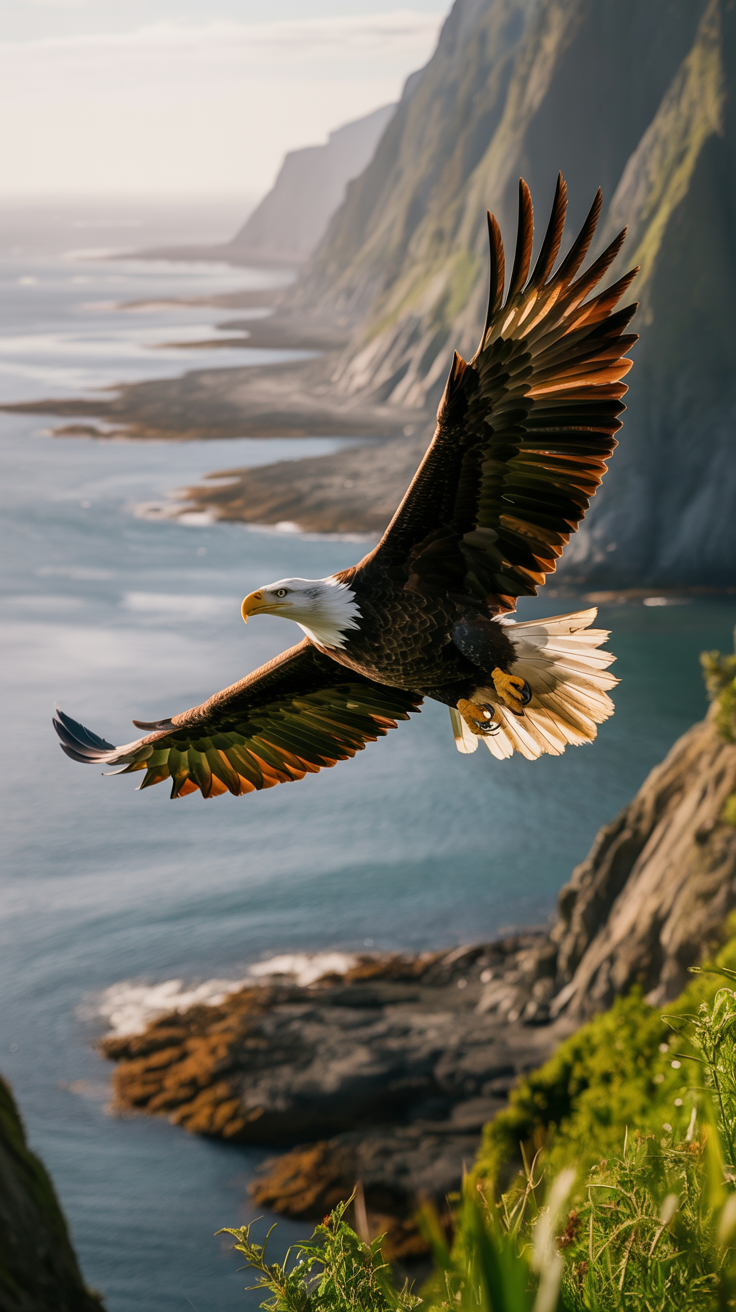
Bald eagles aren’t particularly shy around humans but they’re not performing seals either. They follow the food which means following the salmon. During cruise season the salmon are running and eagles are actively hunting. This creates predictable patterns once you know what to look for.
What Eagles Are Actually Doing
- Perching: Eagles spend surprisingly little time flying. They prefer sitting in tall conifers scanning the water for fish. Look for white dots in treetops near shorelines.
- Fishing: They swoop down with talons extended and snatch fish from the surface. The whole process takes seconds and happens more often in early morning or late afternoon.
- Stealing: Eagles are opportunistic scavengers. They’ll steal from other birds including each other. This behavior called kleptoparasitism is common around areas with abundant marine life.
- Roosting: Eagles return to the same trees at night. If you spot multiple eagles in one location in the evening you’ve found a roosting site.
Photography Tips That Actually Work
Getting frame-worthy eagle shots from a moving cruise ship presents challenges but it’s absolutely doable. The key is preparation and realistic expectations. For comprehensive techniques check out our wildlife photography guide for Alaska cruises.
Camera Settings for Eagles
- Shutter Speed: Minimum 1/1000 second for flying eagles, 1/500 for perched birds
- Aperture: f/5.6 to f/8 provides good depth of field without sacrificing speed
- ISO: Don’t be afraid to bump it up to 800-1600 on overcast days
- Focus Mode: Continuous autofocus (AI Servo for Canon, AF-C for Nikon) tracks moving subjects
Practical Shooting Advice
- Stay on outer decks during scenic cruising through fjords and channels
- Watch where other passengers are pointing cameras and binoculars
- Shoot in burst mode when eagles take flight
- Include environmental context rather than trying to fill the entire frame
- Bring a lens hood to reduce glare from water reflections
The best photo opportunities for Alaska wildlife often happen when you least expect them so keep your camera ready and settings dialed in.
Comparing Eagle Watching to Other Wildlife Experiences
Eagles represent just one component of Alaska’s wildlife spectacle. While whale watching opportunities draw huge crowds and brown bear viewing requires specialized excursions, eagles offer something unique: constant availability.
Unlike humpback whale sightings or spotting orcas in Alaska waters, you don’t need perfect timing or expensive tours. Eagles perch visibly along routes your ship already travels. This accessibility makes them perfect for passengers who prefer staying onboard rather than booking shore excursions.
That said, eagles won’t breach dramatically like gray whales or provide the adrenaline rush of watching black bears forage along the shoreline. They’re consistently present rather than spectacularly rare. For comprehensive coverage explore our complete Alaska wildlife guide covering all species you might encounter.
When Eagle Watching Gets Tricky
Despite Alaska’s abundant eagle population, several factors can hamper your viewing experience. Weather tops the list. Heavy rain and fog reduce visibility substantially. Eagles also become less active during storms preferring to hunker down in protected roosts.
Common Challenges
- Distance: Cruise ships must maintain specific distances from shorelines. Even large eagles appear small from several hundred yards away.
- Speed: Ships don’t stop for individual bird sightings. You’ll have seconds to spot, focus, and shoot.
- Crowds: Popular viewing spots on deck fill quickly. Staking out position early during scenic cruising pays off.
- Neck Strain: Scanning treetops for hours gets uncomfortable. Take breaks and switch sides of the ship.
Bonus Tips From Experienced Eagle Watchers
- Download a birding app before your cruise to identify other raptors like ravens, crows, and hawks that newcomers often mistake for eagles
- Eagles have yellow beaks; juveniles have dark heads and are often mistaken for golden eagles
- Watch for congregations of gulls and crows which often indicate fish activity that attracts eagles
- The white head and tail don’t develop until eagles reach 4-5 years old so many birds you see will be mottled brown
- Eagles mate for life and return to the same nest annually adding to it each season; some nests weigh over 1,000 pounds
- Morning departures from port offer better light and more active birds than afternoon sailaways
- Bring a lens cloth since salt spray and mist constantly fog up binoculars and camera lenses
- Check your cruise’s daily schedule for “wildlife viewing” times when naturalists provide deck commentary
- Eagles can swim using an awkward butterfly stroke if they grab fish too heavy to lift from the water
- The distinctive white head makes identification easy but remember that from directly below flying eagles appear entirely dark
Making the Most of Onboard Naturalist Programs
Most Alaska cruise lines employ naturalists or park rangers who provide commentary during scenic passages. These experts prove invaluable for eagle watching. They know seasonal patterns, can identify distant birds instantly, and spot wildlife most passengers miss.
Attend the orientation talks early in your cruise. Naturalists explain what to look for and when. They’ll point out the difference between an eagle’s deliberate flap-and-glide flight pattern versus a raven’s steady flapping. These subtle identification skills transform casual observation into genuine wildlife expertise.
The naturalists also share current information about which ports have unusual activity. If salmon runs arrive early or late, they’ll know and adjust their guidance accordingly. For broader context about animal encounters read our detailed guide to wildlife viewing on Alaska cruises.
What to Bring for Optimal Eagle Watching
- Binoculars: 8×42 or 10×42 magnification works best from moving ships
- Spotting Scope: Overkill for casual viewers but serious birders appreciate the extra magnification
- Field Guide: A compact Alaska bird identification book helps distinguish species
- Layered Clothing: Deck temperatures run 20 degrees cooler than inside the ship
- Rain Gear: Waterproof jacket with a hood protects you and provides extra warmth
- Lens with 200-400mm Range: Versatile for various distances without being unwieldy
- Notebook: Recording sightings with locations and times enhances memories and helps you remember productive viewing spots
Understanding Eagle Conservation Context
Bald eagles nearly disappeared from the lower 48 states due to DDT pesticide use and habitat loss. Alaska maintained healthy populations throughout this crisis serving as a refuge for the species. The Alaska population never required the intensive recovery efforts needed elsewhere.
This abundance means Alaska eagles behave differently than their southern counterparts. They’re less skittish around humans and human activity. Ketchikan eagles routinely perch on downtown light poles. Sitka eagles fish in harbors alongside boats. This tolerance creates exceptional viewing opportunities but shouldn’t be mistaken for tameness. These remain wild raptors with powerful talons and beaks.
Responsible viewing means staying on designated paths and viewing areas during port stops. Don’t approach nesting trees or roosting sites. Eagles abandon nests if disturbed during breeding season. Follow the same ethical guidelines you would for observing puffin colonies or any sensitive wildlife.
Juvenile Eagles and Identification Confusion
The classic white head and tail that everyone associates with bald eagles only appears on adults. Juvenile eagles spend their first four years looking completely different. They display mottled brown and white plumage that changes gradually through several stages.
First-year birds appear almost entirely dark brown. Second-year eagles show white mottling on underwings and belly. Third-year birds develop more white but still lack the clean adult pattern. Fourth-year eagles show nearly adult plumage with some brown streaking. Full adult plumage appears around age five.
This means roughly half the eagles you spot won’t have white heads. New visitors often assume they’re seeing different species or dismiss them as “just hawks.” Understanding this lifecycle enhances your appreciation for the variety of birds you’ll encounter.
Common Questions and FAQ
Do cruise ships slow down or stop for eagle sightings?
Ships maintain schedules and won’t alter course for individual eagles. However during designated scenic cruising through places like Tracy Arm Fjord, ships travel slowly which provides extended viewing opportunities. Captains occasionally make announcements about notable wildlife but don’t expect stops.
Can I see eagles from inside the ship or do I need to be on deck?
You can spot eagles through cabin windows and from indoor observation lounges but outdoor decks provide superior views. Glass creates glare and reflections that interfere with photography. The best sightings happen when you’re outside with unobstructed sightlines.
Are eagles more common on certain cruise routes?
The Inside Passage route from Vancouver or Seattle to ports like Juneau, Ketchikan, and Skagway offers consistent eagle viewing. Gulf of Alaska itineraries that include Hubbard Glacier also provide good opportunities. Cruises focusing on more northern ports see fewer eagles as populations concentrate in Southeast Alaska.
What’s the difference between seeing eagles from the ship versus on shore excursions?
Ship-based viewing offers quantity while shore excursions provide proximity. You’ll spot more individual eagles during days at sea but excursions to places like the Chilkat Bald Eagle Preserve allow closer observation and better photography. Both experiences have value.
Will I definitely see bald eagles on my Alaska cruise?
Probability approaches 99% during May through September cruises along the Inside Passage. Eagles are genuinely abundant and visible throughout this region. You’d need extraordinarily bad luck combined with never going outside to miss them entirely.
Do eagles interact with other wildlife I might see?
Eagles compete with ravens and gulls for fish and carrion. They occasionally harass otters to steal their catches. During salmon runs they feed alongside bears though they maintain careful distance. These interactions add drama to wildlife viewing and create memorable moments.
Personal Experience
Last summer on our Alaska cruise through the Inside Passage, I spotted my first bald eagle perched in a massive spruce tree near Juneau. Our naturalist guide had told us to watch the shoreline carefully during early morning, and sure enough, there it was – this magnificent bird just surveying the water like it owned the place. What struck me most was how enormous it looked in person compared to photos. The white head practically glowed against the dark green forest, and when it took off, the wingspan seemed to stretch forever. I fumbled with my camera settings at first, but quickly learned that keeping my shutter speed above 1/1000 made all the difference in capturing those wing movements.
The best eagle viewing happened around Haines and the Chilkat Bald Eagle Preserve, where we counted at least fifteen eagles in a single morning. They were diving for salmon, perching on driftwood, and occasionally squabbling with each other over fish. Our guide mentioned that Alaska is home to roughly 30,000 bald eagles, which explains why we saw them almost daily once we knew what to look for. A tip that really helped: bring a zoom lens or good binoculars and watch the treetops along the water’s edge, especially near river mouths. These birds aren’t shy, but they do prefer their space. Seeing them hunt and soar in their actual habitat, rather than in a documentary, made the whole cruise unforgettable.