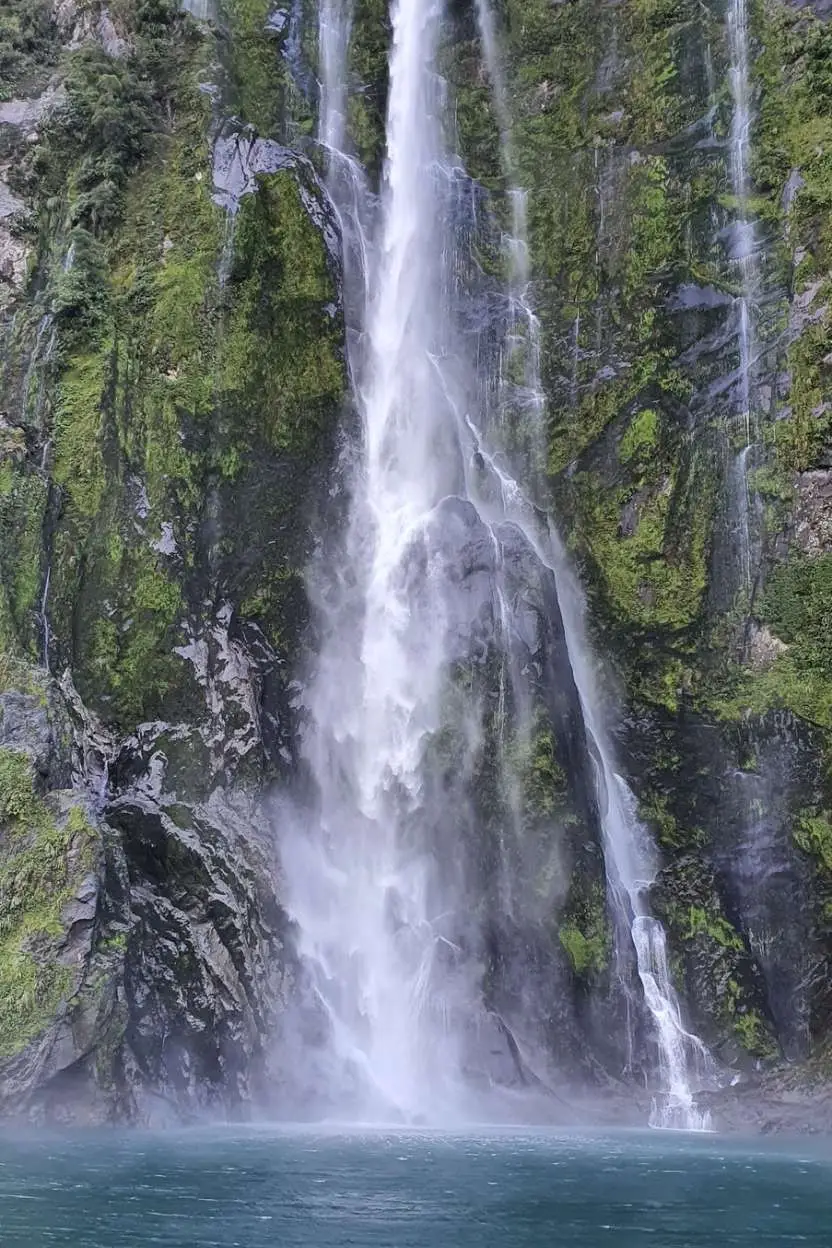
Milford Sound: Scenic Fjord Cruising Guide
Milford Sound has no cruise port — ships navigate the fjord itself. Here’s what to expect, what you’ll see, and how to make the most of it.

Milford Sound has no cruise port — ships navigate the fjord itself. Here’s what to expect, what you’ll see, and how to make the most of it.
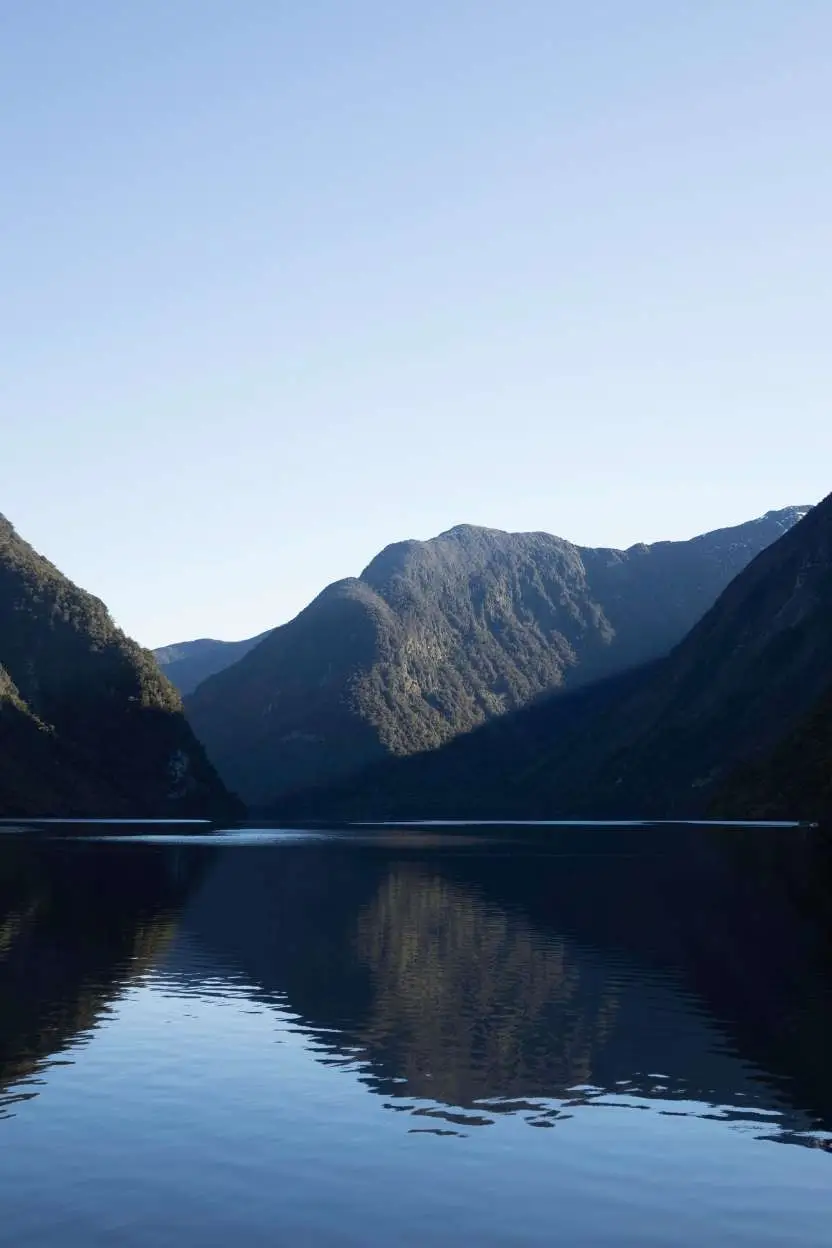
Doubtful Sound isn’t a port — you reach it by catamaran across Lake Manapouri and bus over Wilmot Pass. Here’s exactly how it works and what to expect.
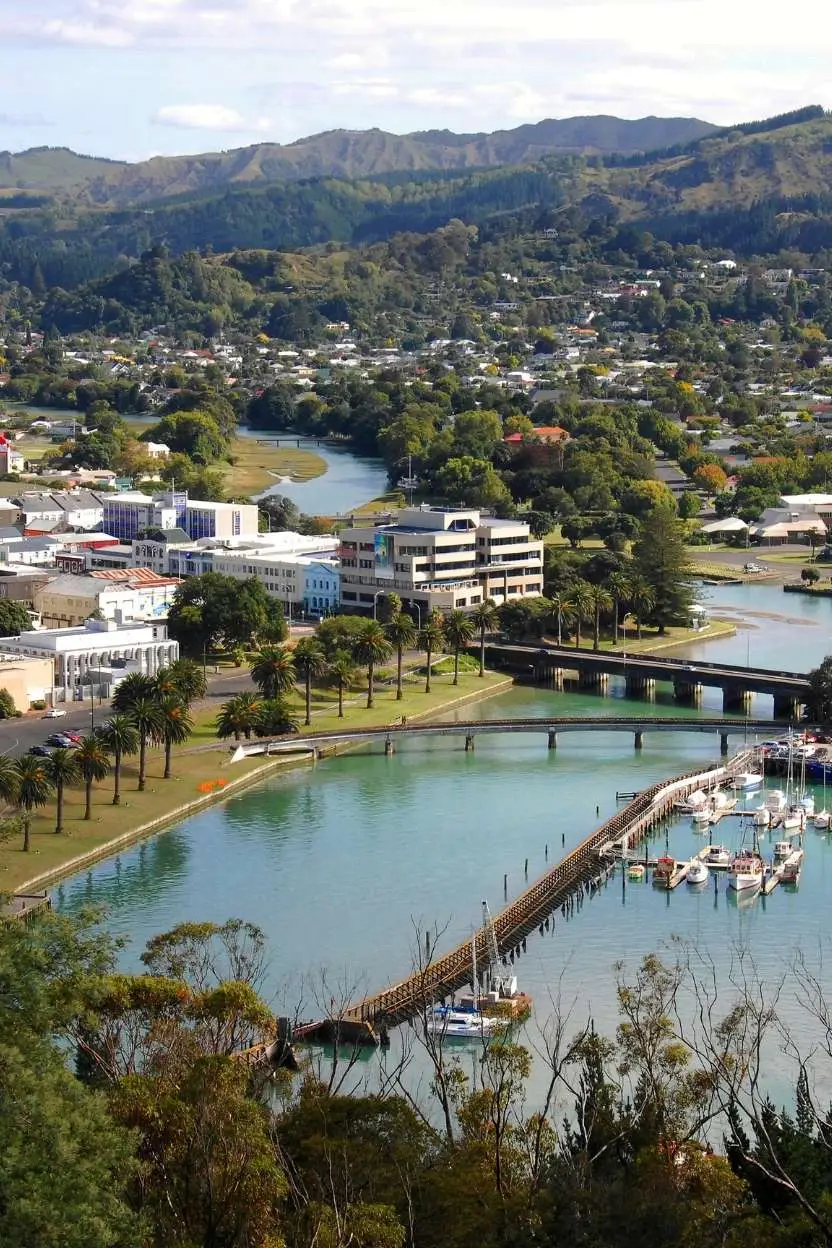
Gisborne is where New Zealand’s day begins — the easternmost city on earth’s most time-zone-forward coastline. There’s more to it than a geographic quirk.
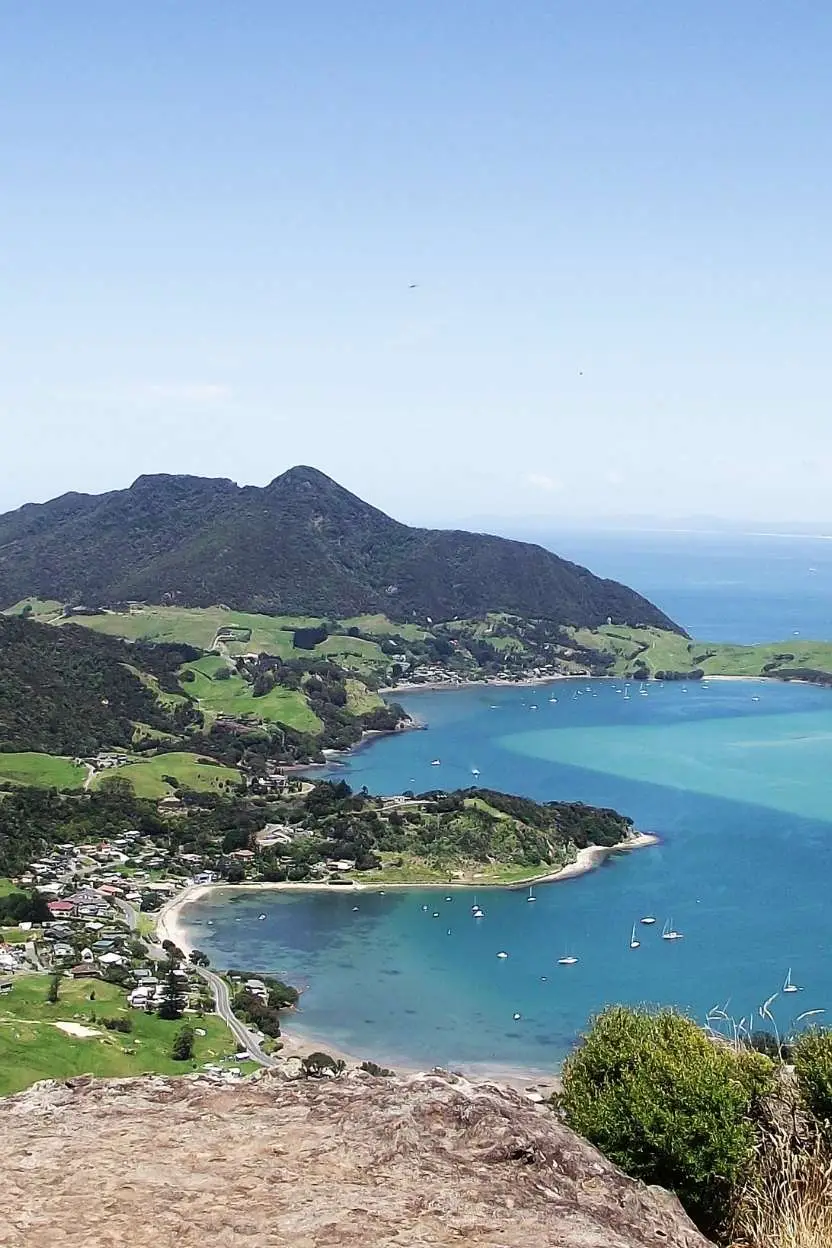
This guide covers where Whangārei cruise ships actually berth, how to bridge the distance into town, what’s worth your limited time ashore, and the realities of exploring Northland independently versus on a ship tour.
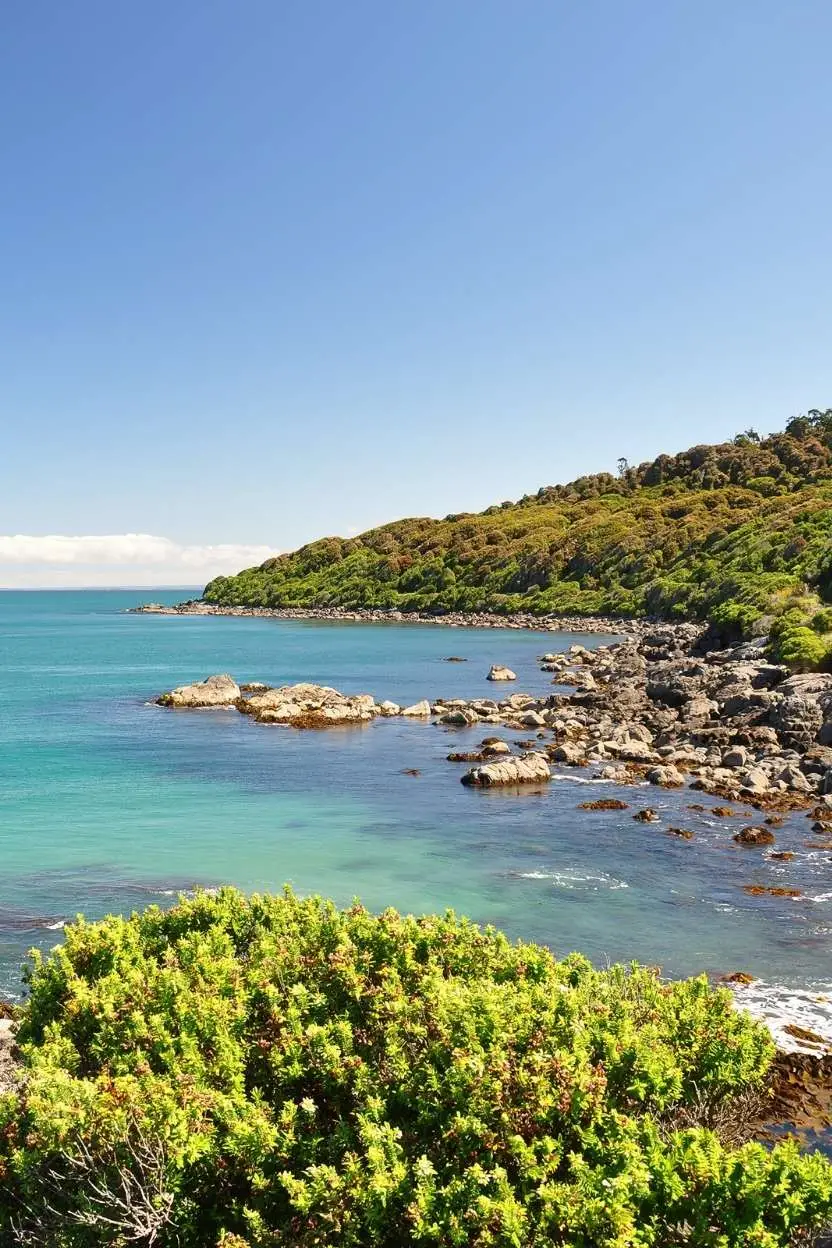
This guide covers Bluff’s port facilities, tender operations, Stewart Island ferry connections, shore excursion options including the Catlins, port bluff blue cod and octopus seafood heritage, and practical logistics for cruise passengers calling at New Zealand’s southernmost deep-water harbour.
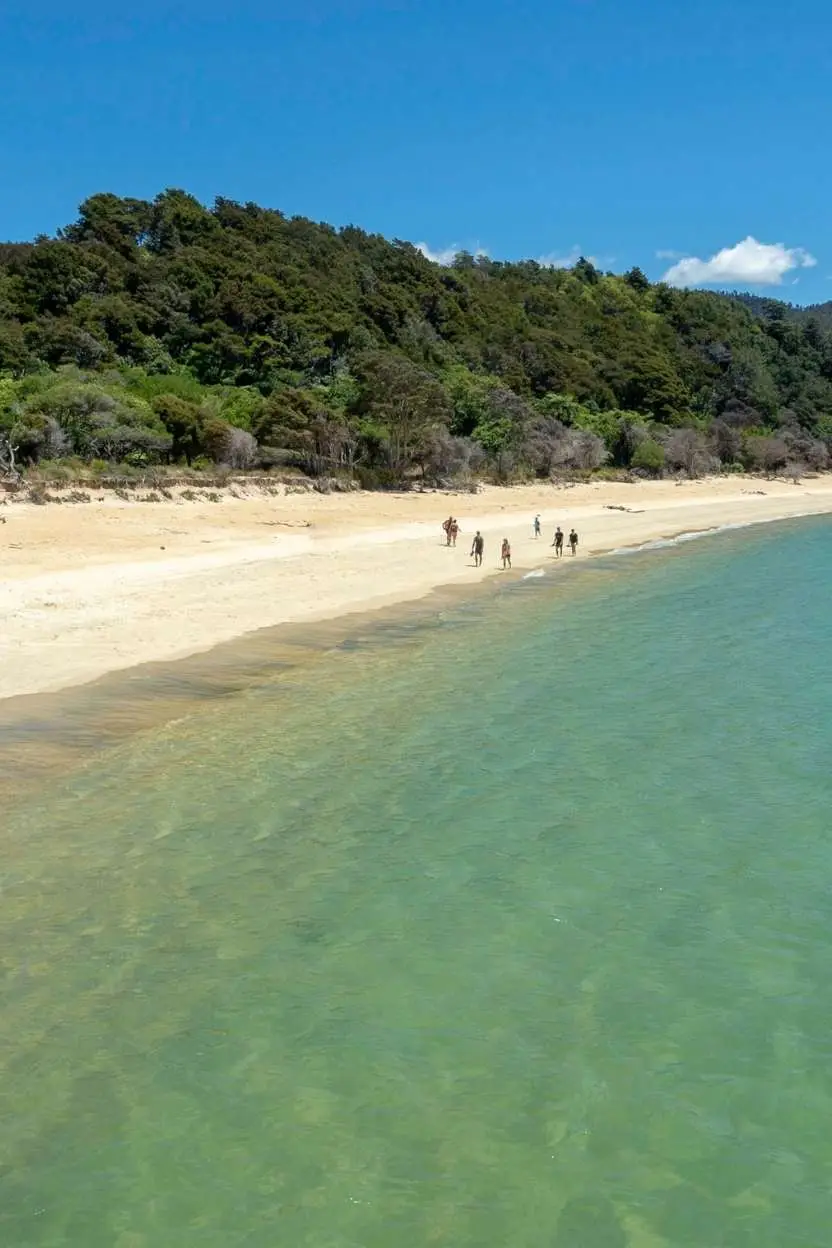
Nelson gets overlooked because it’s not dramatic — it’s just quietly excellent. Abel Tasman on your doorstep, local wine, and no tour-bus crowds.
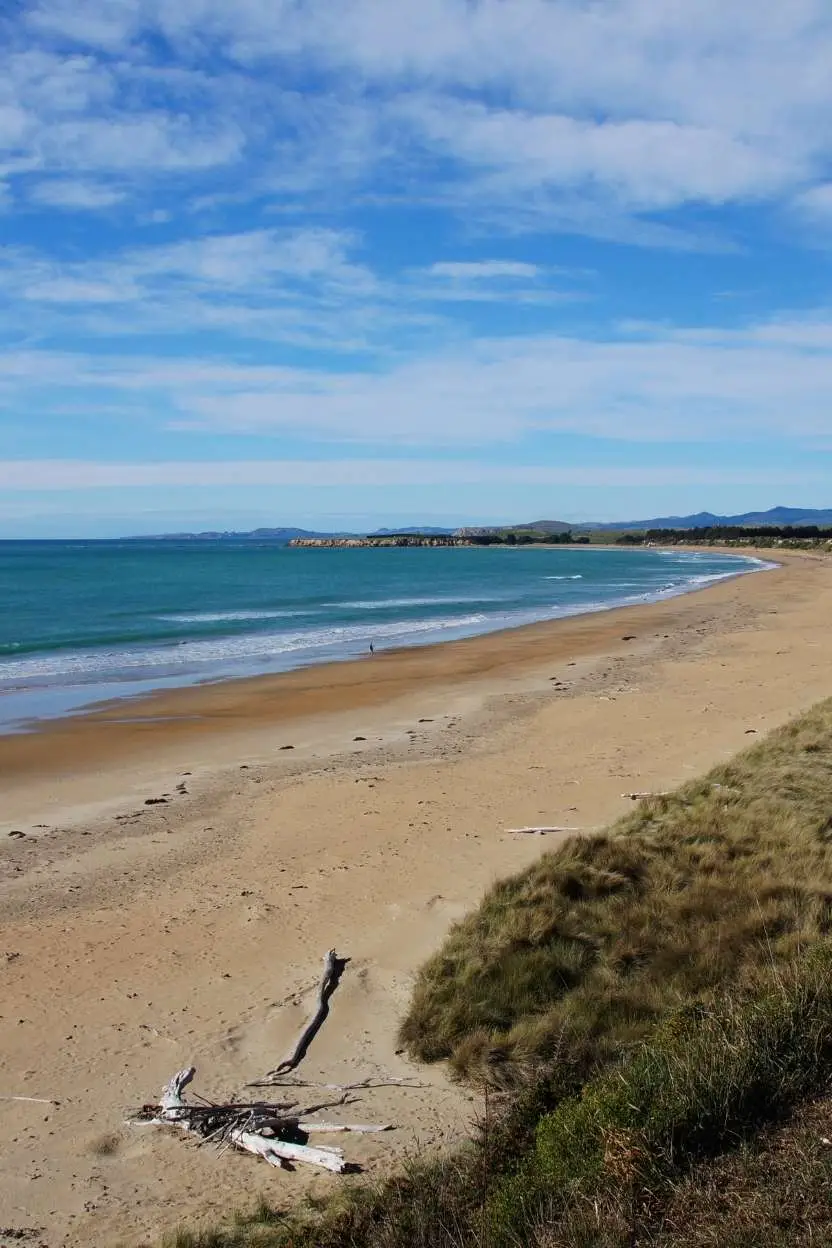
Timaru is a working port, not a tourist set — which is exactly why it’s worth paying attention to. The South Canterbury plains start right here.
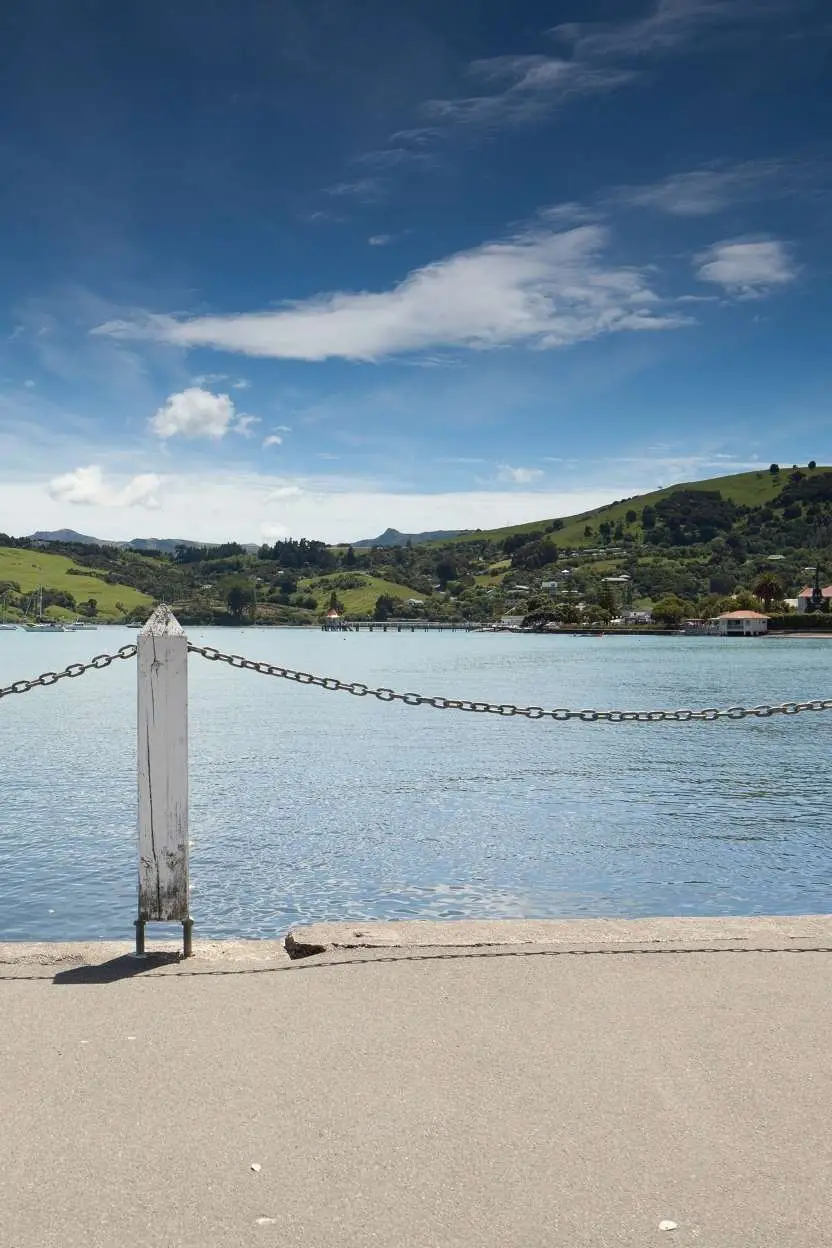
This guide covers tender operations at Akaroa harbour, what to expect at the wharf, how to navigate ongoing infrastructure works, the French colonial history that sets this port apart, and practical advice for dolphin tours and independent exploring.
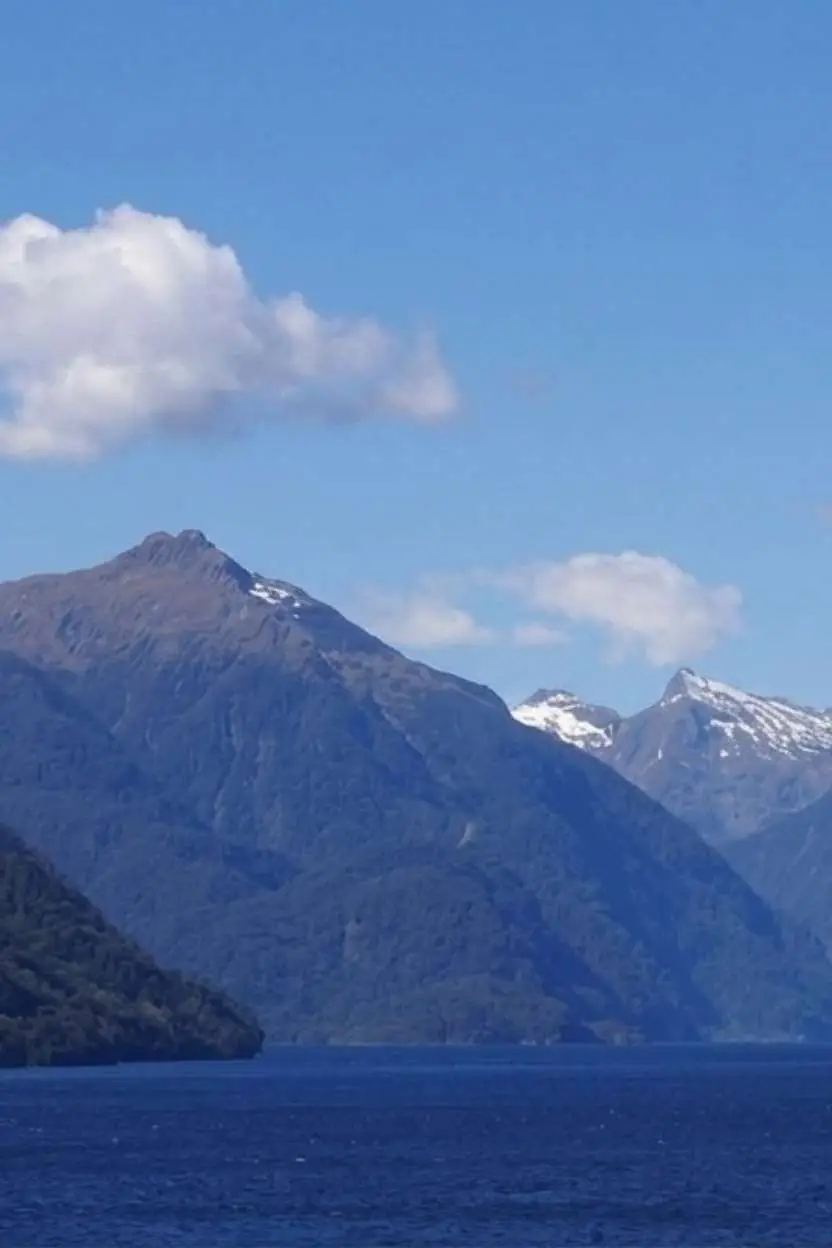
Dusky Sound is scenic cruising only — no port, no docking, just your ship threading through one of New Zealand’s most remote and untouched fjords.
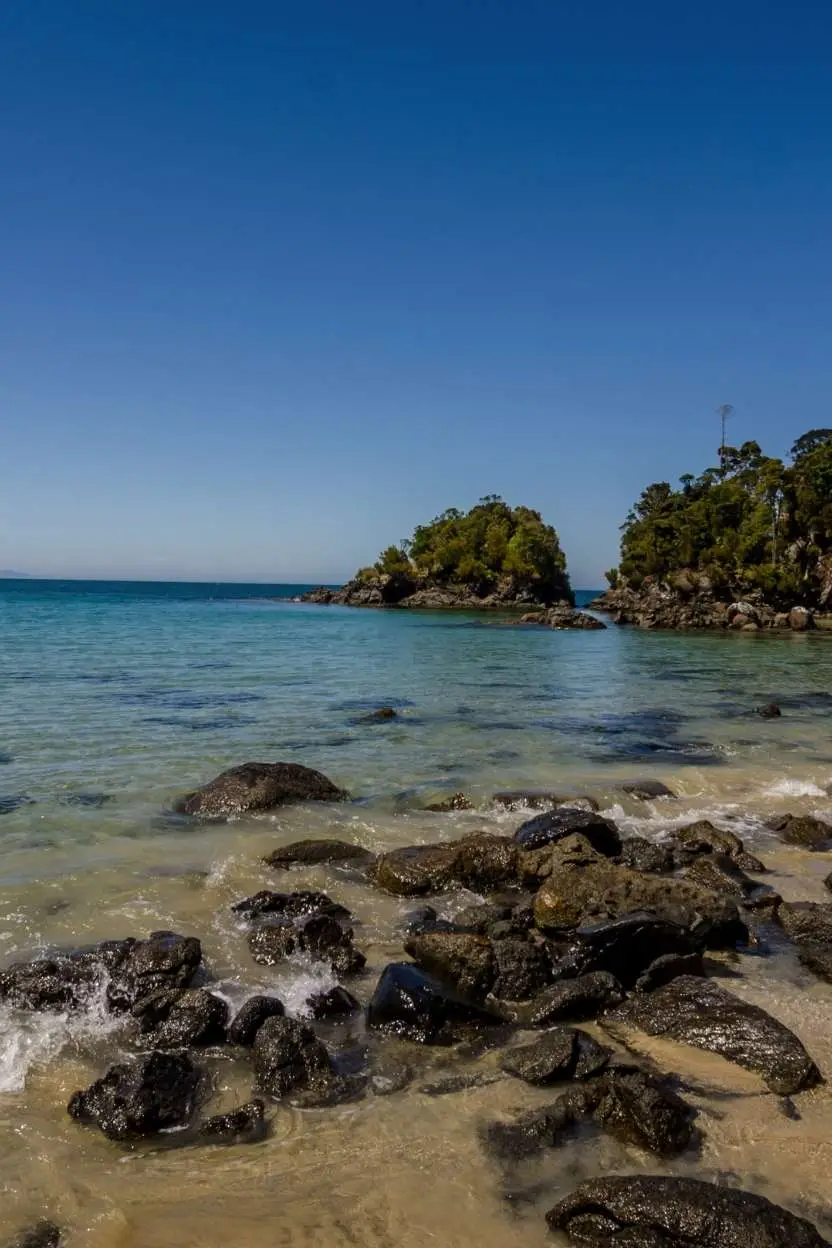
Stewart Island is the end of the road — literally. Oban is one of the few places left where a cruise ship arrival still feels like an event.