
I’ve been on eight Cunard cruises in the last ten years, including three crossings on Queen Mary 2, a world voyage segment, and enough formal nights to have strong opinions about what works in the main dining room and what doesn’t. Cunard remains one of the few cruise lines still doing the ocean liner thing properly, but it’s not for everyone, and plenty of people book it for the wrong reasons. Here’s what you need to know before you put down a deposit.
This guide covers Cunard’s four-ship fleet, the Grills class system decoded, solo travel realities, what transatlantic crossings are genuinely like, honest assessments of each ship, and who’ll love Cunard versus who’ll be bored rigid.
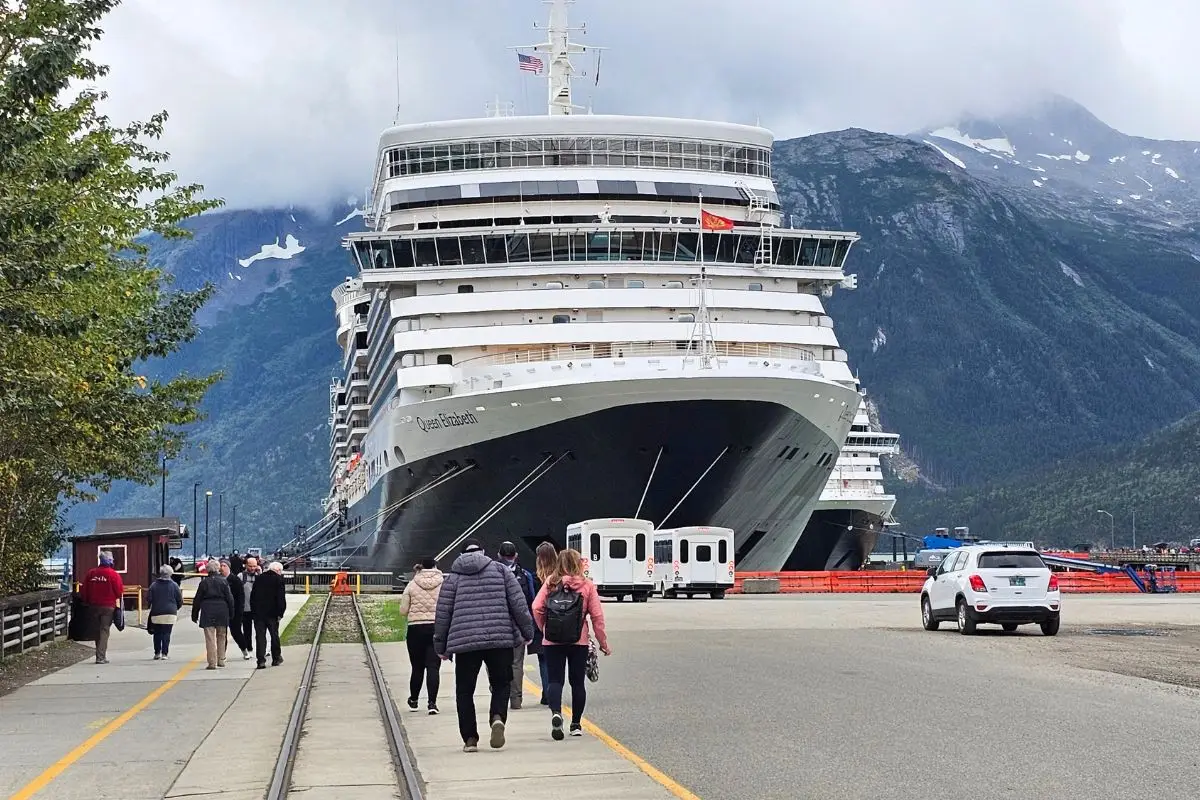
What Makes Cunard Different (and Why That Matters)
Cunard isn’t just another cruise line with white-glove service. It’s the last operator of a purpose-built transatlantic ocean liner, and that heritage shapes everything from the way cabins are laid out to why there’s a proper library instead of a rock-climbing wall. You’ll find what makes Cunard different from other cruise lines comes down to three things: formality, enrichment programming, and a passenger demographic that skews older and quieter than most mass-market lines.
The fleet appeals particularly to those seeking Cunard cruises as a solo traveller, bridge and card game enthusiasts, and anyone who considers formal dining an attraction rather than an obligation. If you’re after adult-only cruises for singles or all-inclusive cruise options for solo passengers, Cunard’s single cabins and structured social programme make it one of the better choices at sea.
The Class System: What Britannia, Princess, and Queens Grill Really Mean
Cunard operates a class-based system that determines where you eat, which lounges you can access, and how much attention you’ll get from the crew. It’s not quite Titanic-level segregation, but it’s more stratified than most modern cruise lines.
| Grade | Dining Room | What You Get | Who It Suits |
|---|---|---|---|
| Britannia | Britannia Restaurant | Fixed or flexible dining, access to all public areas except Grill lounges | Most passengers; perfectly comfortable if you’re not fussed about private spaces |
| Britannia Club | Britannia Club Restaurant | Single-sitting dining, slightly smaller venue, upgraded amenities in cabin | Mid-tier option for those who want a bit more space without Grill pricing |
| Princess Grill | Princess Grill | Private restaurant, à la carte menu, access to Grills Lounge and Terrace | Worth it if you value privacy and slower-paced meals with tableside service |
| Queens Grill | Queens Grill | Top-tier restaurant, concierge, priority embarkation, private sundeck on QM2 | Frequent cruisers or those doing a world voyage who want the full ocean liner experience |
The Grills are genuinely better, not just fancier branding. You’ll notice it most at embarkation, mealtimes, and when the ship is busy. Princess Grill hits the sweet spot for value if you’re doing a longer voyage. Queens Grill is lovely but you’re paying significantly more for incremental gains unless you’re in one of the duplex suites.
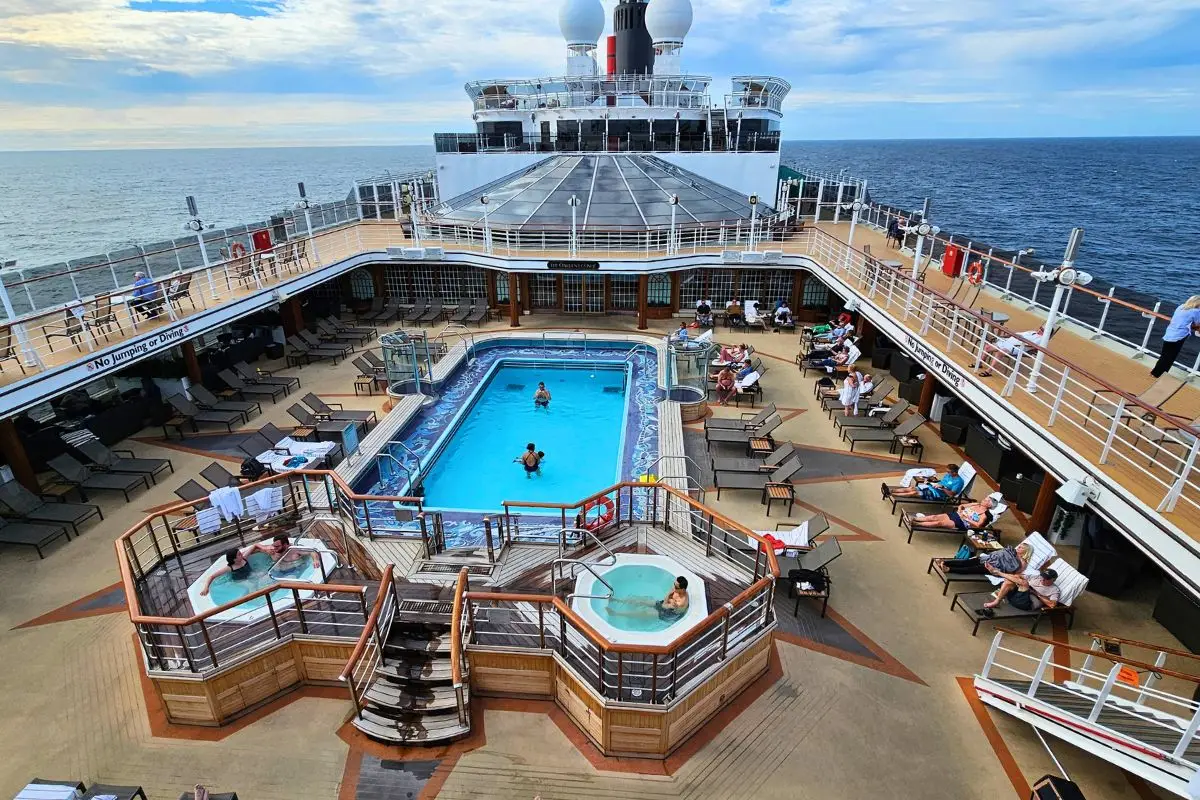
The Four Ships: Honest Assessments of Each Queen
Queen Mary 2: The Flagship (and the One That Feels Most Cunard)
Queen Mary 2 is the only ship in the fleet purpose-built as an ocean liner rather than a cruise ship. That means a reinforced hull for Atlantic weather, a deeper draft, and public rooms designed for days at sea rather than port-intensive itineraries. If you’re doing a transatlantic crossing, this is the ship to book.
- Best for: Transatlantic crossings, longer voyages, anyone who wants the traditional Cunard experience
- Standout spaces: The double-height Britannia Restaurant, the proper ballroom, the Queens Room for afternoon tea, and the only full-size planetarium at sea
- Cabin reality check: Inside cabins are genuinely dark and can feel cramped on longer sailings. Balconies on Deck 7 get noise from the Boardwalk above. Aim for Deck 8 or higher if you want a quieter outdoor space.
- Food hit-and-miss: The Britannia Restaurant is lovely for formal dinners but breakfast can be chaotic. The Kings Court buffet was refurbished recently and is better than it used to be, though still busy at peak times.
- Entertainment: Royal Court Theatre productions are variable. Enrichment lectures are the real draw, particularly on crossings when you’ll get authors, historians, and the occasional astronomer using the planetarium.
QM2 works best when you’re prepared for sea days. If you need constant stimulation or get twitchy without port stops, book a different ship.
Queen Anne: The New One (Still Finding Its Feet)
Queen Anne joined the fleet as Cunard’s newest ship, built for a mix of European itineraries, Atlantic crossings, and longer exotic voyages. It’s modern by Cunard standards, which means it still feels traditional compared to most new builds from other lines.
- Best for: First-time Cunard passengers, Mediterranean and European itineraries, those who want newer facilities without sacrificing the Cunard vibe
- Public spaces: Bright, airy, and less heavy on the dark wood than QM2. The Grand Lobby is impressive, and the observation lounge at the front is a good spot for sea days.
- Cabin notes: Slightly more modern layout than Victoria or Elizabeth, with better storage. Balconies are a decent size, though some on lower decks get limited views depending on lifeboat placement.
- Dining and service: Still settling in terms of consistency. Early reports suggest the Britannia Restaurant is strong, but service speed can vary depending on crew rotation.
Queen Anne is the ship to pick if you want Cunard’s style with fewer quirks. It doesn’t have QM2’s character yet, but that may come with time.
Queen Victoria: Mediterranean Workhorse
Queen Victoria focuses heavily on Mediterranean and world cruise itineraries. It’s smaller than QM2, which makes it feel more intimate, though “intimate” is relative when you’re still talking about a ship carrying over 2,000 passengers. You’ll find more about what makes Queen Victoria unique in its layout, particularly the Royal Court Theatre and the covered Winter Garden.
- Best for: Mediterranean cruises, longer world voyage segments, passengers who find QM2 too big
- Dining: The Britannia Restaurant is single-level, so it lacks the drama of QM2’s double-height space, but service is often smoother because of the smaller capacity.
- Public rooms: The library is excellent, properly stocked with recent titles and reference books. The Royal Arcade shops are small but well-curated.
- Cabins: Balconies are on the small side, particularly on Deck 7. Standard Britannia cabins are comfortable but not generous with storage if you’re doing a long voyage. Packing cubes that compress your clothes make a noticeable difference in the limited wardrobe space.
If you’re comparing Cunard versus Holland America or Cunard against Oceania for Mediterranean itineraries, Queen Victoria often wins on formality and enrichment programming, though Oceania edges ahead on food quality.
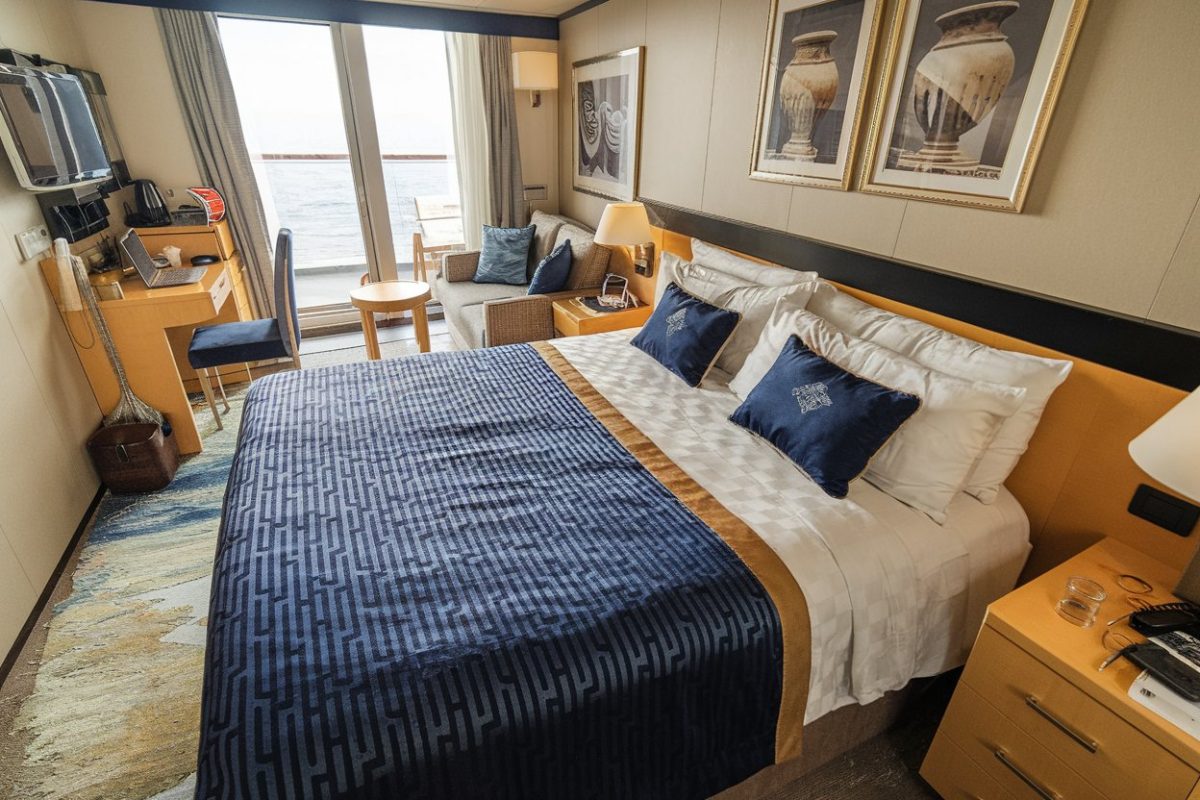
Queen Elizabeth: The Alaska and Caribbean Option
Queen Elizabeth broadened Cunard’s reach into Alaska for the first time, with a full programme departing from Seattle during the spring and summer months. It also handles Caribbean itineraries from Miami, making it the most accessible ship for North American embarkations.
- Best for: Alaska cruises, Caribbean sailings, passengers who want Cunard without flying to Southampton
- Alaska specifics: The 2026 programme includes seven- and ten-night sailings from Seattle. If you want a premium Alaska experience without switching to a North American cruise line, Queen Elizabeth is your ship.
- Onboard: Similar layout to Queen Victoria, though the Queens Room and Garden Lounge are configured slightly differently. The Yacht Club on Deck 11 is a quiet spot with good views.
- Cabins: Standard Britannia cabins are identical to Queen Victoria. Solo cabins are available but limited in number, so book early if you’re travelling alone.
Queen Elizabeth works well if you want Cunard’s service and formality but prefer North American itineraries. Just be aware it doesn’t have the ocean liner pedigree of QM2, so if that’s part of the appeal, you’ll feel the difference.
Transatlantic Crossings: What Seven Days at Sea Is Genuinely Like
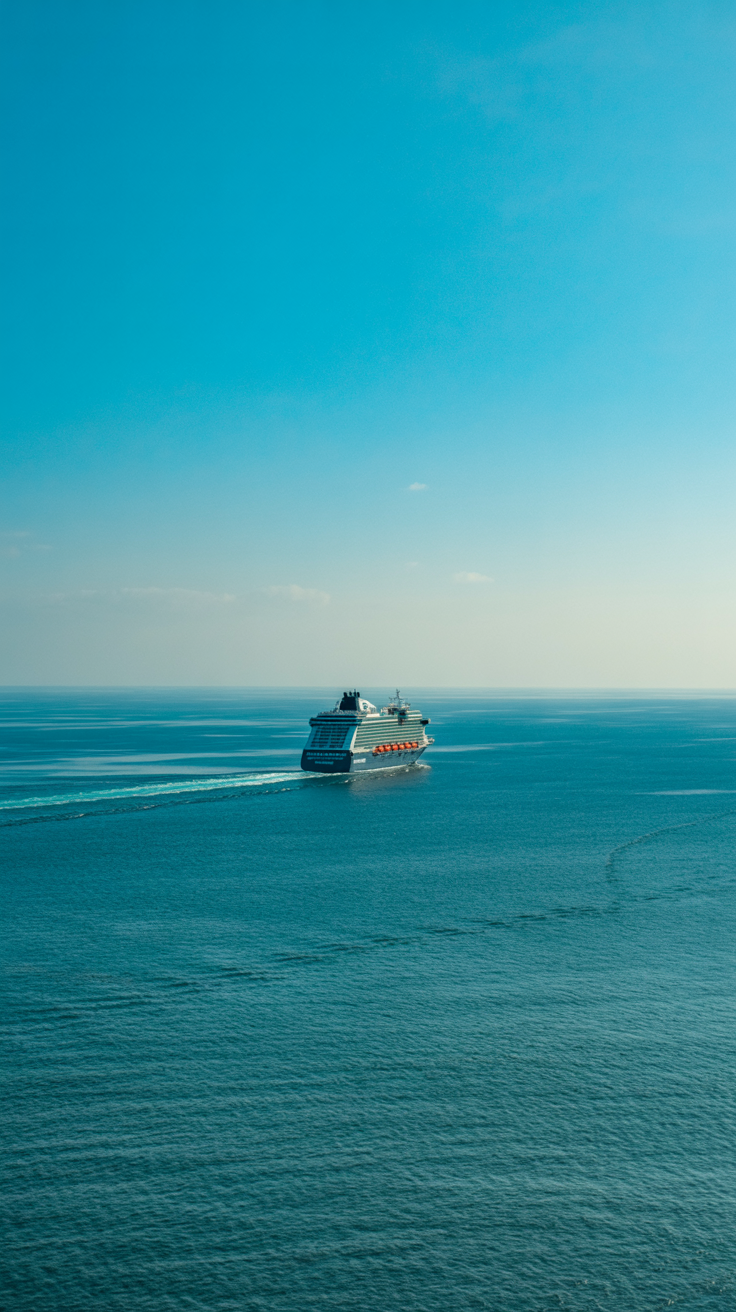
I’ve done three westbound crossings on QM2, and it’s a completely different experience from a standard cruise. You’re at sea for six or seven consecutive days depending on the route, which means no port stops, no rushing, and a slower pace that either suits you perfectly or leaves you climbing the walls.
What to Expect on a Crossing
- Weather: The North Atlantic can be rough, particularly in autumn and winter. QM2 handles heavy seas better than most ships because of its reinforced hull, but you’ll still feel it. If you’re prone to seasickness, bring medication.
- Formality: Crossings are the most formal sailings Cunard operates. You’ll have multiple formal nights, and the dress code is enforced more strictly than on other itineraries. If you don’t own proper formal night outfits, either invest or prepare to feel underdressed.
- Programming: This is where Cunard’s enrichment focus shines. Guest lecturers, planetarium shows, workshops, and the proper ballroom dancing evenings all come into their own when you’ve got nothing but time.
- Pace: Slow. Properly slow. If you’re used to cruises with back-to-back port days, a crossing will feel like a different holiday entirely. You’ll either love the breathing space or get bored by day four.
Westbound crossings (Southampton to New York) tend to be rougher because you’re heading into the prevailing weather. Eastbound is usually calmer but you lose an hour every night adjusting to UK time, which disrupts sleep more than you’d expect.
Who Should Book a Crossing
- Anyone who wants a proper digital detox (Wi-Fi is available but expensive and patchy mid-Atlantic)
- Readers who’ll work through the ship’s library
- Passengers who enjoy formalwear and structured evening entertainment
- Those combining the crossing with time in New York or the UK, so the voyage becomes part of the trip rather than just transport
Who Shouldn’t
- Families with children (there’s a kids’ club but very few children on crossings, and the ship isn’t set up for family entertainment)
- Anyone who finds formal dining tedious after one or two nights
- Passengers who need constant variety or get restless without daily excursions
If you’re debating Cunard versus Royal Caribbean or Cunard against Princess, the crossing question often settles it. Royal Caribbean and Princess don’t operate regular transatlantic ocean liner service, so if that’s what you want, Cunard is the only real option.
Solo Travel on Cunard: The Good, the Awkward, and the Expensive Bits
Cunard has historically been better for solo travellers than many cruise lines, largely because the demographic skews older and there’s a well-established Hosts programme on longer voyages. That said, it’s not without challenges, particularly around pricing and cabin availability.
What Works for Solo Cruisers
- Single cabins: Queen Elizabeth and Queen Victoria both have dedicated single cabins with no supplement. They’re small but perfectly functional, with a proper bed rather than a sofa-bed conversion.
- Social programme: The Hosts programme pairs gentleman dance partners with solo female passengers on longer voyages, which works well for ballroom dancing evenings. There are also friends-of-Dorothy meet-ups and solo traveller gatherings, though these aren’t heavily advertised.
- Bridge and card games: If you’re into bridge cruises for singles, Cunard runs regular tournaments and lessons, and you’ll find other passengers in the Card Room most afternoons on sea days.
- Dining: Solo travellers are usually seated with others in the Britannia Restaurant unless you request a table for one, which is hit-and-miss depending on availability. The Grills offer more flexibility for solo dining if you’re willing to pay for the upgrade.
What Doesn’t Work
- Pricing on standard cabins: If you’re not in a dedicated single cabin, you’ll pay close to double occupancy rates on most sailings. Solo cruise deals do appear, but they’re rare outside shoulder season.
- Limited single cabin inventory: There are only a handful of single cabins per ship, and they book out quickly on popular itineraries like Alaska and Mediterranean sailings.
- Age demographic: The average age of Cunard cruise passengers skews well over sixty on most voyages, rising to seventies on longer world cruise segments. If you’re a younger solo traveller, you may struggle to find peers, particularly on crossings.
Cunard works brilliantly for solo travellers who fit the demographic and can book early enough to secure a single cabin. If you’re younger, more budget-conscious, or sailing peak season, you’ll have a tougher time making the numbers work.
Food and Drink: What’s Included and What Isn’t
Cunard’s approach to drinks is more traditional than most cruise lines, which means less is included and you’ll pay for most alcohol unless you’re in the Grills.
What Drinks Are Included on Cunard Cruises
- Britannia and Britannia Club: Tea, coffee, water, and juice are included at breakfast and in the buffet. Wine, beer, spirits, and soft drinks at other times are charged.
- Princess and Queens Grill: House wine, beer, and spirits are included at lunch and dinner in the Grills restaurants. Champagne is complimentary in Queens Grill suites.
- Afternoon tea: Complimentary in the Queens Room for all passengers, with a good selection of teas, sandwiches, scones, and cakes. One of the better freebies onboard.
Drinks Packages
Cunard offers drinks packages covering wine, beer, spirits, and soft drinks. Pricing varies by sailing length and ship, but expect to pay more than equivalent packages on lines like Princess or Holland America. The packages make sense if you’re having more than three or four drinks a day, but you’ll need to work the numbers based on your own habits.
Dining Beyond the Main Restaurant
- Specialty dining: Verandah (French) and Steakhouse (self-explanatory) both carry a cover charge. The Verandah is the better of the two, though service can be slow when fully booked.
- Casual options: The Golden Lion Pub serves proper pub food and is included. The Kings Court buffet is free and covers breakfast, lunch, and casual dinners.
- Room service: Complimentary except for late-night snacks, which carry a small charge. Continental breakfast in your cabin is free and worth ordering the night before.
Food quality in the Britannia Restaurant is good but not exceptional. The Grills are noticeably better, particularly for tableside service and menu flexibility. If food is a priority and you’re comparing Cunard with Celebrity or Cunard against Viking, both of those lines edge ahead on dining consistency.
What 2026 Itineraries Look Like Across the Fleet
Cunard’s 2026 programme includes over 300 voyages across 184 destinations, with Queen Mary 2 continuing its transatlantic focus, Queen Anne handling longer world voyage segments, and Queen Elizabeth covering Alaska and Caribbean routes. Queen Victoria remains the Mediterranean specialist, with a mix of seven- to fourteen-night sailings and occasional longer voyages.
Alaska Programme on Queen Elizabeth
Queen Elizabeth runs Alaska itineraries from Seattle between April and September, with seven-night and ten-night options covering the Inside Passage, Glacier Bay, and key ports like Juneau, Ketchikan, and Skagway. The weather can shift from sunny to drizzle within hours, so pack a lightweight rain jacket that folds into your day bag for shore excursions. If you want Cunard’s service and formality in Alaska without switching to a North American line, this is your window. Bookings opened in January with onboard credit offers, and cabins on popular summer dates are already limited.
Three Queens Itineraries
Cunard offers “Three Queens” multi-ship programmes that let you combine sailings on Queen Mary 2, Queen Anne, and Queen Elizabeth in a single extended voyage. These typically involve a transatlantic crossing on QM2 followed by a Caribbean or European leg on one of the other ships, or vice versa. It’s a good option if you want to compare ships or turn a single cruise into a longer trip without the hassle of separate bookings.
Mediterranean and World Voyages
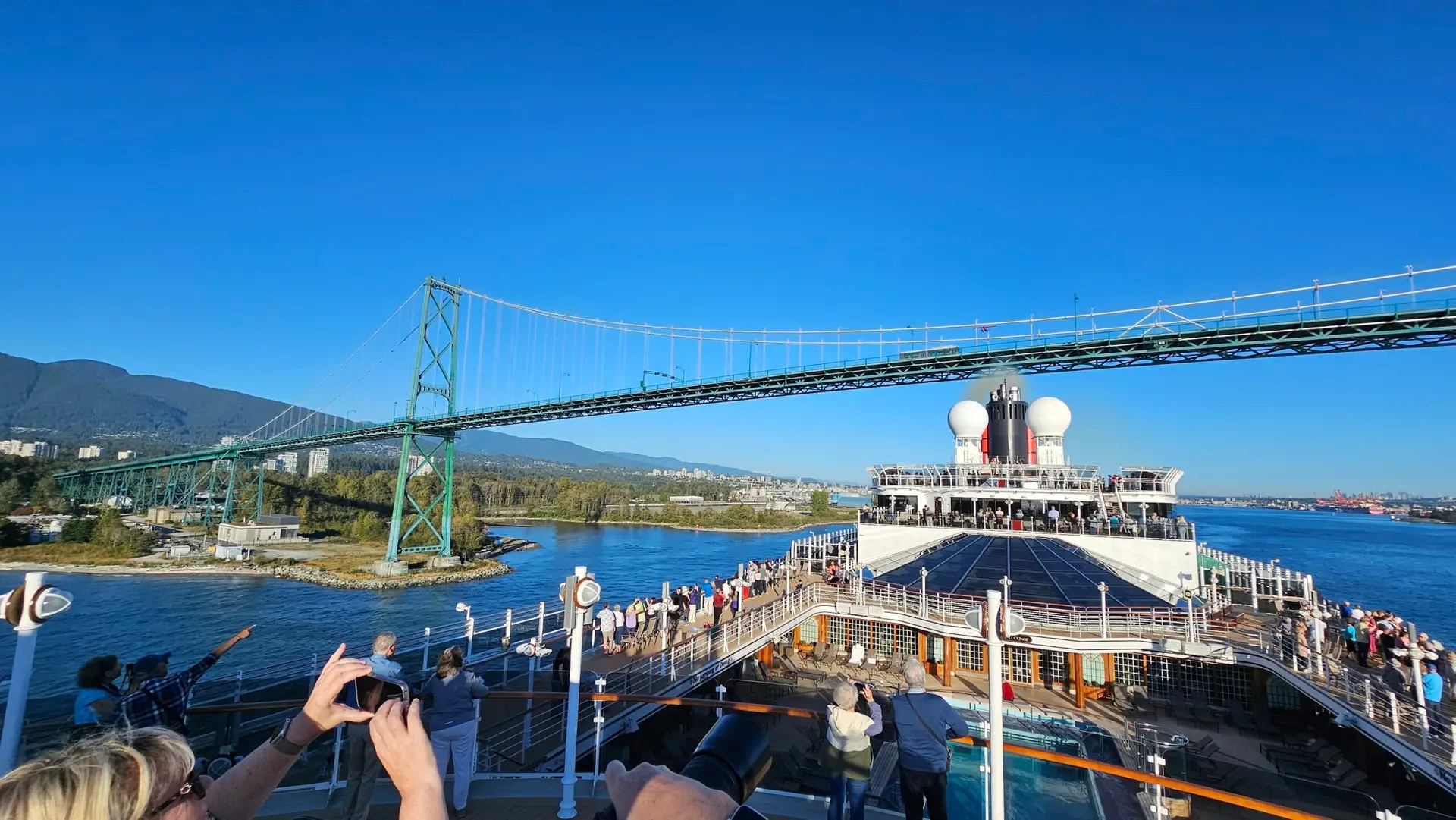
Queen Victoria and Queen Anne handle most of Cunard’s Mediterranean cruises, with a focus on longer seven- to fourteen-night itineraries that include overnight stops in cities like Venice, Barcelona, and Rome. World voyage segments are available on both ships, with full circumnavigations departing in early January and running through March or April. These are expensive and book years in advance, but they’re the pinnacle of Cunard’s ocean liner heritage if you have the time and budget.
Transatlantic Crossings on QM2
QM2 runs regular crossings from Southampton to New York, with westbound sailings taking six nights and eastbound taking seven. Peak season is May through September, though autumn crossings can be spectacular if you don’t mind rougher seas. Pricing varies wildly depending on cabin grade and time of year, but expect to pay significantly more for a balcony on a summer crossing compared to a November sailing.
Who Cunard Genuinely Suits (and Who Should Look Elsewhere)
You’ll Love Cunard If You’re
- Over fifty and prefer a quieter, more refined atmosphere than most mainstream cruise lines
- Comfortable with formal dining and enjoy dressing for dinner multiple times per sailing
- Interested in enrichment programming like guest lecturers, historical talks, and cultural workshops
- A solo traveller who values structured social activities like ballroom dancing, bridge, or afternoon tea
- Planning a transatlantic crossing or longer voyage where time at sea is part of the appeal
- Happy to pay more for service, tradition, and a slower pace
Look Elsewhere If You’re
- Travelling with young children or teens who need constant entertainment and family-focused facilities
- After a casual, modern cruise experience with fewer rules around dress codes and dining times
- Hoping for cutting-edge entertainment, waterslides, or high-energy nightlife
- On a tight budget and need all-inclusive pricing or cheap drinks packages
- Uncomfortable with a passenger demographic that skews significantly older than most cruise lines
Cunard sits in an odd space between mass-market lines like P&O and true luxury operators like Oceania or Regent. It’s more formal and traditional than Princess or Holland America, but less all-inclusive and polished than Viking or Silversea. If you’re after that specific sweet spot of ocean liner heritage, formal dining, and British service, Cunard is still the best option. If you want something more relaxed or modern, you’ll be happier elsewhere.
Comparing Cunard to Its Closest Competitors
| Line | Formality | Price Point | Best For | Key Difference |
|---|---|---|---|---|
| Cunard | High | Premium | Transatlantic crossings, traditional cruising | Only true ocean liner still operating |
| Holland America | Moderate | Premium | Longer itineraries, mature passengers | Less formal, better food, no class system |
| Princess | Low-Moderate | Mid-range | Alaska, family-friendly premium cruising | Larger ships, more casual, younger demographic |
| Celebrity | Low-Moderate | Premium | Modern luxury, foodies, design-focused spaces | More contemporary, better dining, less traditional |
| Viking Ocean | Low | Luxury | Destination-focused, all-inclusive, adults-only | More inclusive pricing, smaller ships, no formal nights |
| Oceania | Low | Luxury | Foodies, longer voyages, country-club atmosphere | Better food, more inclusive, less British |
If you’re debating between these lines, the formality question usually decides it. Cunard is the most formal of the lot, with the most structured dining and the strongest emphasis on tradition. Viking and Oceania are more relaxed and inclusive, Celebrity is more modern and design-focused, and Holland America sits closest to Cunard in demographic but with less formality.
Practical Booking Tips for First-Time Cunard Passengers
- Book early for single cabins: There are only a handful per ship, and they sell out quickly on popular routes like Alaska and Mediterranean sailings. If you’re travelling solo, book as soon as the itinerary opens.
- Watch the cabin location: Balconies on Deck 7 get noise from public areas above, particularly on QM2. Inside cabins on lower decks can feel claustrophobic on longer voyages. Aim for mid-ship on Deck 8 or above if you’re sensitive to motion or noise.
- Formal nights are non-negotiable: Cunard enforces the dress code more strictly than most lines. If you don’t want to dress up, either book a line with a more relaxed approach or plan to eat in the buffet on formal nights. A compact travel steamer saves you from wrinkled evening wear after days in a suitcase.
- Consider the Grills on longer voyages: The upgrade makes a noticeable difference on sailings over ten nights, particularly for embarkation, dining flexibility, and access to quieter lounges. On shorter cruises, Britannia is perfectly comfortable.
- Drinks packages require math: Work out your daily consumption before committing. Cunard’s packages are pricier than many competitors, and you’ll need at least three or four drinks a day to break even.
- Travel insurance that covers sea days: If you’re doing a crossing or world voyage segment, make sure your insurance covers medical issues at sea. You’re multiple days from the nearest port, and helicopter evacuations are eye-wateringly expensive.
Common Questions About Cruising with Cunard
Are Cunard cruises good for solo travellers?
Yes, particularly on longer voyages where the Hosts programme and structured social activities make it easier to meet other passengers. Dedicated single cabins exist but book quickly. Pricing outside those cabins can be steep, with supplements approaching double occupancy rates.
What is the average age of passengers on Cunard cruises?
Most Cunard sailings skew over sixty, with the average climbing into the seventies on world voyage segments and crossings. Shorter Mediterranean cruises attract a slightly younger crowd, but you’ll rarely see many passengers under fifty on any itinerary.
Do Cunard ships have solo cabins without a supplement?
Yes. Queen Elizabeth and Queen Victoria both have single cabins with no supplement, though availability is extremely limited. Queen Mary 2 and Queen Anne have fewer single options, and most require booking well in advance.
What’s included in the base fare on a Cunard cruise?
Your cabin, all meals in the main dining room and buffet, afternoon tea, access to public rooms and entertainment, and basic tea and coffee. Not included: alcohol, specialty dining, gratuities, shore excursions, Wi-Fi, and most onboard activities beyond lectures and entertainment.
How formal are formal nights on Cunard?
Very. Formal nights mean black tie or dark suit for men, evening gown or cocktail dress for women. The dress code is enforced in the main dining rooms, and you’ll feel conspicuously underdressed in anything less. Casual dining options are available in the buffet if you’d rather skip it.
Is Queen Mary 2 worth the extra cost over the other ships?
Only if you’re doing a transatlantic crossing or value the ocean liner experience specifically. For Mediterranean or Caribbean itineraries, Queen Victoria or Queen Elizabeth offer similar service and facilities at a lower price point. QM2 commands a premium because of its unique status and heritage.
Can you do a transatlantic crossing one way and fly back?
Yes. Many passengers book one-way crossings and fly the return leg, particularly if they’re combining the voyage with time in New York or London. One-way fares are available and often better value than roundtrip pricing, though you’ll need to factor in the flight cost.
How rough are transatlantic crossings on Queen Mary 2?
Variable. Autumn and winter crossings encounter heavier seas, and you’ll feel the motion even on a ship as large and stable as QM2. Spring and summer are generally calmer, though the North Atlantic is unpredictable. If you’re prone to seasickness, bring medication regardless of season.
Are there single supplement deals on Cunard cruises?
Occasionally. Cunard runs promotions reducing or waiving the single supplement on select sailings, typically outside peak season or on last-minute inventory. These aren’t frequent, and they rarely apply to popular routes like Alaska or summer Mediterranean cruises. Sign up for the line’s email alerts if you’re flexible on timing.
Why Trust About2Cruise
- I’m Jo. I’ve sailed Cunard eight times in ten years, including three QM2 crossings, a world voyage segment, and multiple formal nights on Queen Victoria and Queen Elizabeth.
- This guide updates when new ships launch, Grills pricing changes significantly, or solo cabin policies shift. I review reader questions quarterly to catch gaps.
- I don’t take commission from Cunard or any cruise line. If something’s overpriced or disappointing, I’ll tell you plainly.