
You’ve probably heard both lines mentioned in the same breath. They’re both pitched at a more mature crowd, both have British and Dutch heritage respectively, and neither is trying to sell you a waterslide or a robot bartender. But that’s where the similarities end. Cunard is all about the theatre of ocean crossing and white-glove formality. Holland America wants to take you to interesting places without making you dress for dinner every night. The “winner” depends entirely on which of those appeals more.
This guide covers the key differences between Cunard and Holland America Line, who they suit best, how their ships and itineraries compare, what you’ll pay for the privilege, and which line deserves your money based on what you actually want from a cruise.
What Separates Cunard from Holland America
These two lines might share a similar age demographic, but their priorities couldn’t be more different. Understanding what makes Cunard different from other lines is the first step in working out where you belong.
- Cunard’s focus: Heritage, ceremony, and the romance of crossing an ocean. Queen Mary 2 is the only true ocean liner still in regular service, designed to handle the North Atlantic rather than just float through it. If you’ve ever fantasised about the golden age of sea travel, Cunard is where that fantasy still exists. Formal nights aren’t an occasional novelty here, they’re woven into the fabric of the experience. You’ll find afternoon tea in the Queens Room, a planetarium on QM2, and a dress code that’s enforced with more rigour than most cruise lines can muster.
- Holland America’s focus: Destinations and a relaxed pace with modern comforts. HAL wants to take you to Alaska, Europe, the Caribbean, and beyond without requiring you to pack three dinner jackets. The ships are contemporary in design, with Broadway-style entertainment, pickleball courts, and Billboard Onboard music programming. It’s still skewed traditional compared to mass-market lines, but it’s not trying to recreate a 1930s crossing.
| Feature | Cunard | Holland America |
|---|---|---|
| Signature experience | Formal ocean liner heritage, transatlantic crossings, ceremonial ambiance | Destination-rich itineraries, relaxed contemporary cruising, modern ships |
| Dress code | Formal nights enforced, jacket required in main dining room | Smart casual most nights, formal optional on select evenings |
| Entertainment | Theatre productions, classical concerts, guest lecturers, traditional ballroom dancing | Broadway shows, Billboard Onboard, B.B. King’s Blues Club, cooking demonstrations |
| Ship design | Grand public rooms, classic ocean liner layout, QM2 built for Atlantic weather | Modern Signature Class design, open-plan public spaces, multiple dining venues |
| Typical passenger | Traditionalists who value formality and occasion, often British | North American retirees seeking good value and port-intensive itineraries |
The Ships: What You’re Actually Boarding
- Cunard’s fleet comprises four ships: Queen Mary 2, Queen Anne (their newest, entered service recently), Queen Victoria, and Queen Elizabeth. QM2 is the star, the only one built as a true ocean liner with reinforced hull and greater power to cross the Atlantic year-round. The others are more traditional cruise ships with Cunard’s signature style applied.
- All Cunard ships feature the class system, though it’s been rebranded as dining venues. Your cabin grade determines where you eat dinner. Grill class passengers get exclusive restaurants and a private sun deck. Britannia passengers eat in the main dining room, which is perfectly pleasant but noticeably busier. The system works if you accept it as part of the package. If it irritates you on principle, pick HAL.
- Holland America’s fleet is larger and more varied. Nieuw Amsterdam and her sisters in the Signature Class are the workhorses, mid-sized ships carrying around 2,100 passengers. They’re modern without being flashy, with wraparound promenade decks, multiple dining options included in your fare, and more relaxed public spaces. There’s no class system here, just cabin categories that determine your room, not your dining allocation.
Queen Mary 2 vs Nieuw Amsterdam: The Flagship Face-Off
QM2 is Cunard’s flagship and the only ship that can genuinely claim to be doing something no other cruise ship does. She’s built heavier, faster, and tougher than any modern cruise ship, because she has to cross the Atlantic in January without turning passengers green. The Queen Elizabeth and her sisters are lovely, but QM2 is the one that defines the brand.
Nieuw Amsterdam represents Holland America’s modern approach. She’s spacious, well-designed, and comfortable, with enough onboard activities to keep you busy on sea days but without the over-the-top gimmicks of newer mass-market ships. She’s aimed at people who want a proper cruise experience without the pomp.
| Ship | Capacity | Built | Key features |
|---|---|---|---|
| Queen Mary 2 | 2,691 | 2004 | Only true ocean liner in service, planetarium, largest ballroom at sea, kennels for transatlantic crossings |
| Nieuw Amsterdam | 2,106 | 2010 | Wraparound promenade, Billboard Onboard, Tamarind Asian fusion restaurant, Explorations Café |
Itineraries: Where They’ll Take You
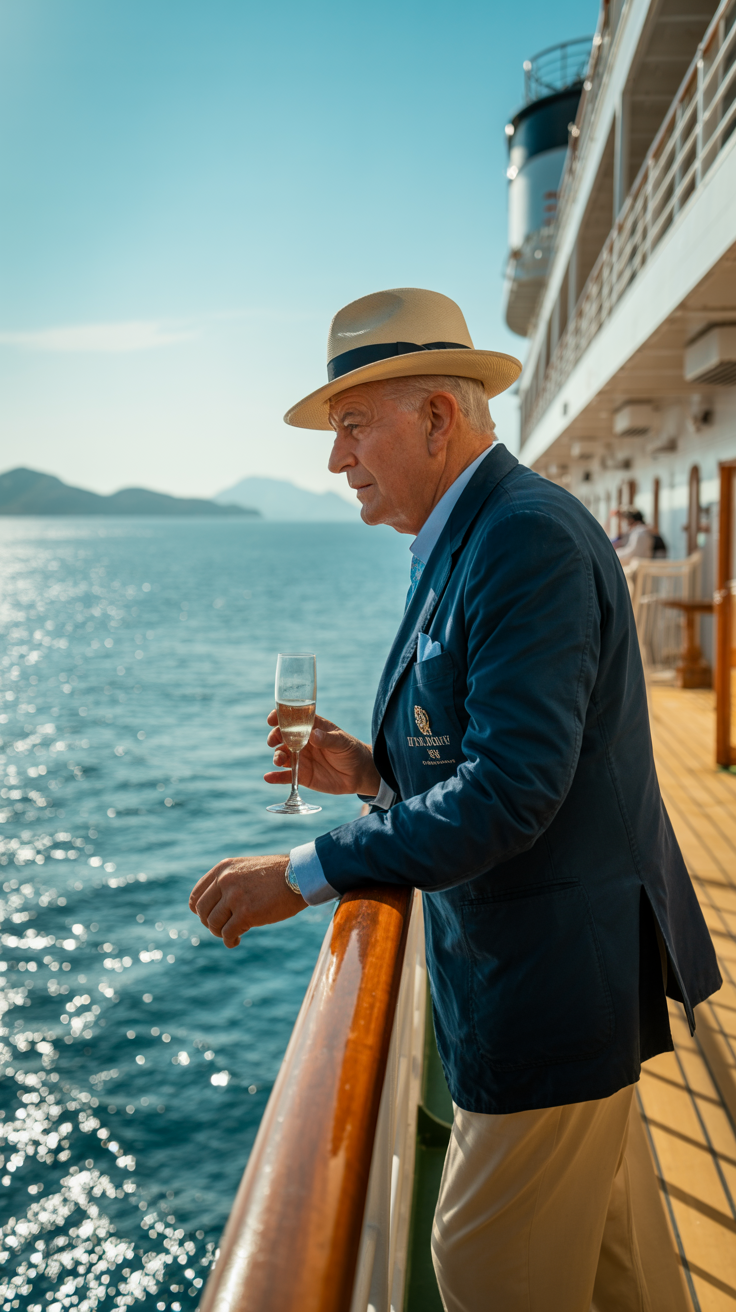
- This is where the two lines diverge most clearly. Cunard’s bread and butter is the transatlantic crossing. QM2 sails between Southampton and New York regularly, and these aren’t repositioning cruises, they’re the main event. Seven nights at sea with no ports. If that sounds hellish, Cunard isn’t for you. If it sounds romantic, you’re halfway to booking.
- Cunard also offers world voyages, with QM2’s programme departing Southampton each January for a 110-night circumnavigation. The itinerary includes the Panama Canal, multiple overnight port calls, and the kind of passengers who pack for nearly four months at sea. It’s not cheap, but it’s a serious bucket-list voyage for people who want to do a world cruise on a proper ocean liner.
- Holland America focuses on port-intensive itineraries. Alaska is a major draw, with their ships offering longer seven-day and more in-depth itineraries that include Glacier Bay. Europe is another strength, with HAL covering the Med, Norwegian fjords, and Baltic capitals. Caribbean itineraries are more unusual than the mass-market routes, often calling at less-visited islands. If you want to see things rather than spend a week at sea, HAL delivers.
Transatlantic Crossings: Cunard Wins by Default
Holland America does transatlantic repositioning sailings in spring and autumn, but they’re not the point. Cunard’s transatlantic crossings on QM2 are the point. The ship is designed for it, the passengers expect it, and the whole onboard rhythm is calibrated for days at sea. You get black-tie dinners, guest lecturers, proper afternoon tea, and the genuine experience of an ocean crossing. HAL’s transatlantic sailings are fine, but they’re a way to get the ship from one region to another, not a destination in themselves.
Onboard Experience: Formality vs Flexibility
- Cunard requires you to dress for dinner in the main dining room. Not just “smart casual” with enforcement at the maître d’s discretion. Jacket required for men, cocktail dress or equivalent for women. On formal nights, which happen regularly, it’s black tie or dark suit. Some passengers love this. Others find it exhausting. There’s no middle ground.
- Dining on Cunard is assigned seating and assigned time in the main Britannia Restaurant unless you’re in Grill class, which gets you a smaller, more exclusive restaurant with flexible timing. The food is good, leaning British and European, but you’re committed to the same table and same dining companions each night unless you request a change.
- Holland America is more relaxed. You can choose traditional assigned dining or flexible “as you wish” dining. Dress code is smart casual most nights, with one or two formal nights per week that are entirely optional. The main dining room is perfectly pleasant, but you also have included alternative restaurants like Canaletto (Italian) and Tamarind (Asian fusion) that don’t require a reservation or upcharge on most nights.
- Entertainment on Cunard leans traditional. You’ll get West End-style theatre productions, classical music, ballroom dancing, and guest speakers ranging from historians to astronomers (especially relevant given QM2’s planetarium). It’s high-quality and appeals to people who want that style of evening.
- Holland America’s entertainment is more contemporary. You’ll still get production shows, but also Billboard Onboard with live musicians covering chart hits, B.B. King’s Blues Club, and a more varied mix of activities during the day. Pickleball courts have been added recently, which tells you something about the average passenger age but also shows HAL is trying to keep up with what people want.
Who Sails on Each Line
Both lines skew older, but the flavour of passenger is different. Cunard attracts British passengers and Anglophiles who want the formality and ceremony. You’ll meet retired professionals, people for whom a transatlantic crossing is a serious life goal, and passengers who’ve sailed Cunard repeatedly because it’s their kind of cruise. If you enjoy dressing for dinner and appreciate a slower, more refined pace, you’ll fit in.
Holland America is more North American in passenger base, with a lot of repeat cruisers who value the loyalty programme and the consistency. The average age is still comfortably into retirement, but the vibe is less formal. People are here for the itineraries, the ports, and a relaxed cruise experience that doesn’t require packing half a wardrobe.
Comparing Cunard to Other Lines
If you’re weighing up Cunard against other premium lines, the comparisons are instructive. Cunard vs Princess Cruises comes down to formality versus accessibility. Princess is more relaxed, more family-friendly, and much less rigid about dining and dress codes. Cunard vs Celebrity Cruises highlights Celebrity’s modern luxury approach versus Cunard’s traditional one. Celebrity’s ships are newer, more contemporary, and less bound by tradition. Cunard vs Oceania is the closest match in formality, but Oceania focuses heavily on food and destination immersion, while Cunard is about the voyage itself.
Pricing: What You’ll Pay
- Cunard is more expensive. Not extortionately so, but noticeably. QM2 transatlantic crossings and world voyages command a premium because you’re paying for the heritage, the ship itself, and the exclusivity of the experience. A standard inside cabin on a transatlantic crossing will cost more than a similar cabin on most other lines doing a seven-night Caribbean sailing.
- Holland America is better value for itineraries. You’ll often find competitive pricing, especially outside peak season, and HAL includes more in the base fare than many competitors. Gratuities and service charges are extra on both lines, but HAL’s overall cost for a similar-length cruise is typically lower. If you’re choosing based on budget, HAL is the easier pill to swallow.
Which Line Deserves Your Money
- Choose Cunard if you want a transatlantic crossing or a world voyage on a real ocean liner. If you value tradition, formality, and the sense of occasion that comes with dressing for dinner and sailing on QM2, Cunard delivers something genuinely unique. It’s not for everyone, but for the right passenger, nothing else compares.
- Choose Holland America if you want to see the world without the formality. HAL’s itineraries are more varied, the ships are more modern and flexible, and you won’t need to pack three dinner jackets. It’s still traditional compared to mass-market lines, but it’s accessible and good value for passengers who want a proper cruise without the ceremony. If you’re packing for multiple climates, a lightweight puffer jacket that compresses easily works well for cooler evenings on deck or European ports, and compression packing cubes help maximize cabin storage space when you’re bringing formal wear alongside casual clothing.
The “winner” is whichever line matches what you want. If the idea of seven nights at sea crossing the Atlantic sounds romantic, book Cunard. If it sounds boring, book Holland America and go somewhere interesting instead.
Why Trust About2Cruise
- I’m Jo. I’ve sailed on both Cunard and Holland America, interviewed passengers on each, and spent time comparing what they actually deliver versus what the brochures promise.
- This article gets updated when either line launches a new ship, changes dining policy, or introduces new itineraries that shift the comparison.
- We don’t take payment from cruise lines. If Cunard or HAL is wrong for you, I’ll tell you. Read more about how we work.
Common Questions
Is Cunard more formal than Holland America?
Yes, significantly. Cunard enforces jacket-required dining and regular formal nights. Holland America is smart casual most nights with optional formal evenings.
Which line is better for transatlantic crossings?
Cunard, without question. Queen Mary 2 is the only ship built as a true ocean liner. Holland America’s transatlantic sailings are repositioning voyages, not the main event.
Do both lines have assigned dining?
Cunard assigns your dining room, time, and table based on cabin grade. Holland America offers both assigned traditional dining and flexible “as you wish” dining.
Which line offers better value?
Holland America typically costs less for comparable itineraries and includes more dining options in the base fare. Cunard charges a premium for the heritage experience.
Can you wear jeans on Cunard ships?
Not in the evening in public areas or dining rooms. Cunard’s dress code is strictly enforced. Holland America is more relaxed and allows smart jeans in most venues.
Which line is better for Alaska?
Holland America. They’ve been sailing Alaska for decades, offer more itinerary variety, and include longer cruises with Glacier Bay access. Cunard rarely sails Alaska. For Alaska sailings, a packable rain jacket handles unpredictable weather during excursions, and compression socks help reduce swelling on long touring days.
Do Cunard and Holland America attract the same passengers?
Both skew older and traditional, but Cunard attracts British passengers and Anglophiles who want formality. Holland America is more North American and relaxed in atmosphere.
Are world cruises available on both lines?
Cunard offers a marquee world voyage on QM2 each January, a 110-night circumnavigation departing Southampton. Holland America offers world cruises but without the ocean liner prestige.
Which line has newer ships?
Holland America’s Signature Class ships are more modern in design. Cunard’s newest ship, Queen Anne, entered service recently, but QM2 dates to 2004 and shows her age in places.