
Both say they’re British to the core. Both sail from Southampton. Both serve afternoon tea. But turn up at the terminal for Cunard and P&O Cruises on the same day and you’ll spot the difference before you’ve even boarded. One crowd’s in tailored jackets with leather luggage. The other’s in fleeces with roller bags plastered in destination stickers. Same port, completely different holidays.
This guide covers the real differences between Cunard and P&O Cruises, from passenger demographics and onboard atmosphere to itinerary styles, dining expectations, and which line suits your actual travel style, not the one you think you want.
The Passenger Profile Nobody Mentions
- Cunard attracts retired professionals who’ve done well and want everyone to know it, in the most polite British way possible. Think former headmasters, consultants, and anyone who genuinely enjoys formal evenings. Average age skews comfortably past retirement, though Queen Anne has nudged that down slightly. You’ll meet couples who’ve sailed the QM2 transatlantic crossing multiple times and consider it the only civilised way to reach New York.
- P&O pulls a broader bunch. Yes, there are retirees, but you’ll also find three-generation family groups, couples in their forties grabbing a week in the Med, and solo travellers who want British food without the pretension. It’s the line your neighbours actually sail on, not the one they aspire to. Ships like Iona and Arvia attract a younger demographic thanks to better family facilities, while Aurora and Arcadia lean older and quieter.
- The social dynamic differs markedly. Cunard passengers treat the ship as a destination, dressing for dinner and lingering over port lectures. P&O passengers treat it as transport with entertainment, happier in the buffet than the main dining room. Neither approach is wrong, but pick the wrong line for your style and you’ll spend the week feeling like you’ve crashed someone else’s reunion.
What Makes Cunard Different From Other Lines
- Cunard operates four ships, each with that ocean liner heritage the company won’t let you forget. Queen Mary 2 remains the only ship designed for regular transatlantic crossings, with a reinforced hull and enough onboard facilities to justify six sea days in a row. What makes Cunard different comes down to this deliberate preservation of formality, right down to the evening dress codes that still matter.
- The newer Queen Anne softens some of Cunard’s stuffier edges without abandoning them entirely. The ship runs world voyages and longer itineraries, including an 82-night South America programme that frankly terrifies me even as I’m tempted by it. Queen Victoria and Queen Elizabeth continue the traditional formula with slightly smaller passenger counts and more intimate public spaces.
- All four ships maintain Cunard’s signature Grills concept, where suite passengers get separate restaurants, dedicated deck space, and their own concierge. It’s the closest British cruising gets to an actual class system afloat, and while some find it appallingly snobbish, others consider it worth every penny for the quieter atmosphere and better service ratios.
P&O’s Broader Approach
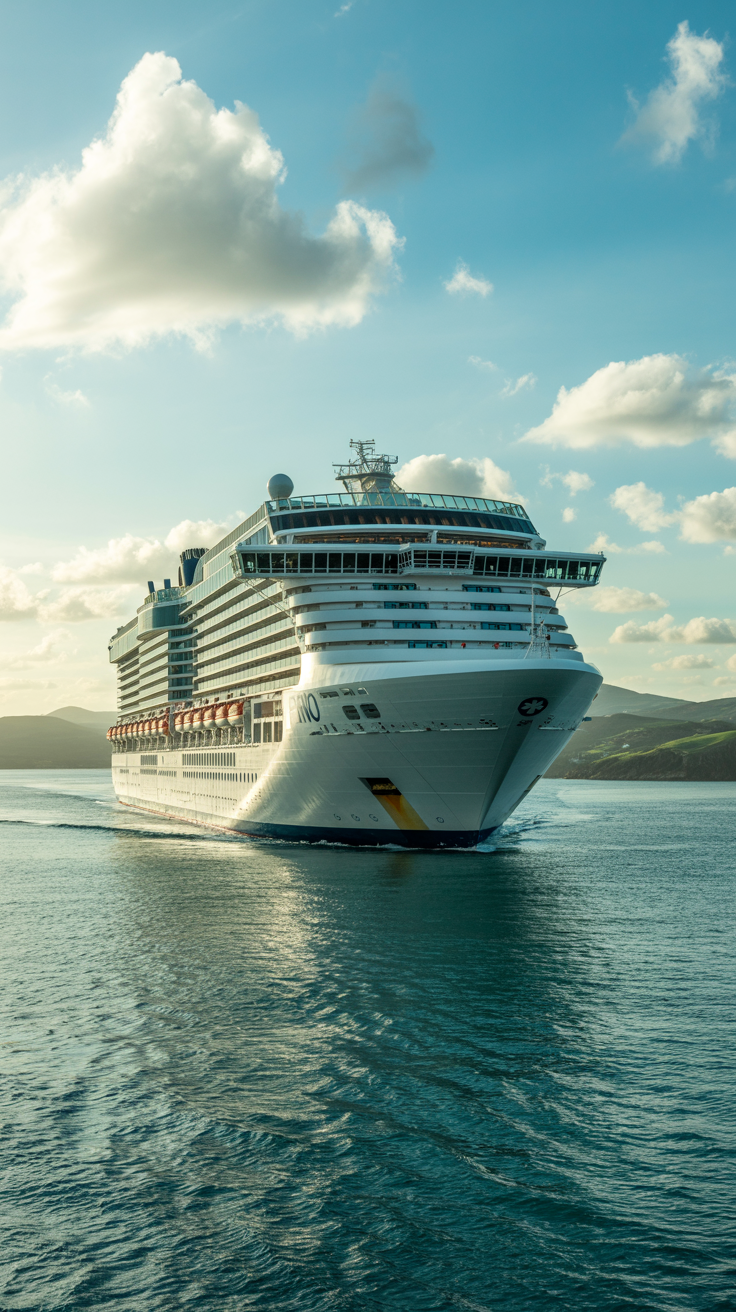
- P&O runs seven ships with far more variety in size, age, and target market. Iona and Arvia are the modern flagships with SkyDomes, multiple pools, and enough family facilities to keep teenagers vaguely content. Britannia sits in the middle as the reliable workhorse. Aurora and Arcadia cater to adults only, which means no kids but also no kids’ entertainment budget redirected to the entertainment you actually want.
- The fleet diversity means you can effectively choose your P&O experience by ship selection. Azura and Ventura handle Mediterranean runs competently without trying to be revolutionary. None of them pretend to be ocean liners. They’re cruise ships, designed for warm-weather itineraries with lots of port days and outdoor deck space.
- P&O’s big advantage is frequency and flexibility. More ships mean more departure dates, more itinerary lengths, and more chances to grab a decent last-minute deal. Cunard requires more planning and commitment, both in booking lead time and trip duration. When cruising from UK ports, P&O simply offers more choice for shorter holidays.
Southampton Departures and UK Convenience
- Both lines have made Southampton their primary UK hub, which saves the flight faff and makes the cruise feel like it starts the moment you leave home. Cunard’s operation from Southampton focuses heavily on longer voyages, including world cruises that depart in January and don’t return until April. Queen Mary 2’s transatlantic crossings leave like clockwork throughout the season.
- P&O uses Southampton more democratically, with year-round departures across the fleet covering everything from seven-night Norway sampler cruises to month-long Caribbean adventures. You can sail P&O from Southampton nearly any week and find something departing within a fortnight. Cunard’s schedule requires more patience.
- Terminal experience differs too. Cunard’s embarkation has a ceremony to it, even when it’s just queuing for security like everyone else. P&O’s process is more efficient than elegant, designed to move families with buggies and gran’s mobility scooter through quickly rather than create an occasion. Both get you on board, just with different levels of performance art involved.
Itineraries and How Long You’re Actually Away
- Cunard’s scheduling assumes you’ve got time and aren’t rushing back for work. World voyages dominate the prestige end, with Queen Anne and Queen Mary 2 both offering full circumnavigations. Queen Mary 2’s Panama Canal transit represents Cunard’s first time through, which feels absurdly overdue for a line that’s been sailing since 1840. Shorter Cunard cruises still run two weeks minimum, with most averaging three.
- P&O covers the full spectrum from weekend samplers to month-long adventures, though the sweet spot is seven to 14 nights. Mediterranean itineraries on Iona and Arvia follow predictable routes, hitting Barcelona, Rome, and the Greek islands with enough port time to do something meaningful. Northern Europe programmes include Norwegian fjords, Baltic capitals, and Icelandic circumnavigations when the season allows.
- The itinerary planning philosophies diverge fundamentally. Cunard builds cruises around significant destinations with overnight calls at major cities, treating port days as cultural education. P&O operates more like a floating hotel that happens to move, prioritising sunshine and beaches over UNESCO sites. Both approaches have merit depending on whether you’re trying to tick off bucket list destinations or just escape British weather.
| Itinerary Factor | Cunard | P&O Cruises |
|---|---|---|
| Typical Length | 14-90+ nights, world voyages emphasised | 7-28 nights, more weekend/week options |
| Pace | Slower, more sea days, leisurely | Port-intensive, more destinations per week |
| Destination Focus | Cultural capitals, overnight calls, UNESCO sites | Mediterranean beaches, accessible ports, family-friendly stops |
| Seasonality | Transatlantic crossings, world voyage emphasis January-April | Year-round variety, strong summer Mediterranean programme |
| Repeat Potential | High, with loyal following for signature routes | High, with more route variety across fleet |
Dining Expectations and Formality Levels
- Cunard maintains formal nights, and people actually dress for them. Not hired black tie for most, but proper cocktail dresses and dark suits remain standard in the main dining rooms. The Britannia Restaurant operates two sittings with assigned tables, which either delights you as proper cruise tradition or annoys you as inflexible nonsense. Grills passengers get single-seating dining with menus that show genuine ambition beyond standard cruise fare.
- Food quality on Cunard justifies the formality most nights, though don’t expect Michelin innovation. It’s country house hotel cooking done competently, with British classics alongside international options. Afternoon tea remains a genuine event rather than a photo opportunity, served properly with stands and doilies and staff who know the difference between Earl Grey and English Breakfast.
- P&O has largely abandoned the formal night fight, replacing strict dress codes with “evening chic” guidance that means most men show up in chinos and collared shirts. Main dining rooms offer freedom dining on newer ships, which trades the forced socialisation of fixed tables for the convenience of eating when you’re actually hungry. Speciality restaurants cost extra but remain cheaper than equivalent upcharges on American lines.
- The buffet culture differs dramatically. Cunard’s Lido remains civilised even at breakfast, with actual plates and cutlery presented properly. P&O’s buffets get chaotic at peak times, with the usual cruise ship scramble for tables and the British inability to queue properly when food’s involved. Both serve perfectly edible food, but the experience of eating it varies wildly.
Onboard Atmosphere and Entertainment Style
- Cunard’s entertainment leans traditional, with ballroom dancing, classical concerts, and guest lecturers discussing the history of wherever you’re currently sailing past. Production shows happen but feel slightly apologetic, like the company knows West End spectaculars aren’t really their thing. The Royal Court Theatre on each ship hosts proper plays and comedy that assumes some cultural literacy from the audience.
- Evening entertainment peaks with the formal balls, where couples actually know the steps and the band plays proper waltzes. If that sounds wonderful, you’re Cunard’s target market. If it sounds like dinner at your most judgemental relatives, look elsewhere. The library on each ship holds genuine appeal, stocked properly rather than as decorative filler, because Cunard passengers actually read.
- P&O goes broader and louder, with production shows modelled on UK touring theatre, guest entertainers who’ve done the holiday park circuit, and tribute acts that actually get booked out. The shows won’t change your life but they fill the evening competently after dinner. Britannia’s theatre on Iona and Arvia represents a significant investment, with full LED screens and staging that handles proper dance numbers.
- Activities on P&O ships reflect the more casual demographic. Sports courts actually get used. The SkyDome on Iona and Arvia becomes a genuine focal point rather than architectural decoration. Evening deck parties happen and people actually attend rather than tutting about the noise. Both lines offer what their passengers want, which is why comparing them directly misses the point.
Price Positioning and What You Actually Get
- Cunard sits firmly at the premium end, with fares reflecting the longer itineraries, smaller passenger numbers, and heritage positioning. Inside cabins remain perfectly comfortable but justify their cost through the overall experience rather than the room itself. Balcony cabins make more sense on Cunard given the sea day count, though the Britannia-class cabins share identical specifications across all four ships.
- Grills suites command serious premiums but include gratuities, speciality dining, and that separate restaurant and deck space that fundamentally changes how you experience the ship. The maths works if you value peace and service ratios, though plenty sail Britannia class repeatedly and feel perfectly content. Comparing Cunard to Princess or Holland America reveals Cunard typically prices higher for equivalent cabin grades.
- P&O operates across wider price points, from genuinely affordable inside cabins on older ships to premium suites on Iona that rival Cunard’s offering. Early booking discounts appear frequently, as do last-minute deals when ships need filling. The drinks packages cost less than Cunard’s, and speciality dining upcharges feel more reasonable for what you receive.
- Hidden costs favour P&O for shorter cruises since gratuities, drinks, and shore excursions accumulate faster on longer voyages. Cunard’s inclusive approach in Grills class helps, but Britannia passengers pay separately for almost everything beyond the room and main meals. Neither line qualifies as cheap, but P&O delivers better value for mainstream cruising while Cunard justifies premiums for the heritage experience.
Ships Worth Noting Specifically
- Queen Mary 2 remains Cunard’s flagship and the last ocean liner in regular service, built with a reinforced hull for transatlantic crossings rather than calm Caribbean cruising. The ship’s original 2004 design shows its age in cabin bathrooms and public space layouts, but the 2016 refit addressed most complaints. Her planetarium makes perfect sense given the sea day count, and the kennel facilities acknowledge that some passengers genuinely won’t sail without their dogs.
- Queen Victoria’s unique positioning splits the difference between QM2’s ocean liner heritage and the slightly more modern Queen Elizabeth. She handles world voyages and long-haul itineraries with a passenger capacity that feels manageable rather than overwhelming. The ship attracts loyalists who’ve sailed her repeatedly and resist moving to Queen Anne’s larger scale.
- Queen Elizabeth appeals to passengers who want traditional Cunard without QM2’s celebrity status driving up prices. She covers similar itineraries to Victoria with subtle differences in public space design and an art deco aesthetic that some prefer. Both ships feel properly like cruise ships rather than ocean liners, which matters less than Cunard’s marketing suggests.
- On P&O’s side, Iona and Arvia represent the modern fleet direction, with LNG propulsion and that distinctive SkyDome creating an indoor-outdoor space that actually works in British weather. Both ships run longer Caribbean seasons from Southampton, which means enduring multiple Bay of Biscay crossings but avoiding flights. The ships feel genuinely spacious even at full capacity, with enough venue variety that you’re not seeing the same faces constantly.
- Aurora and Arcadia reward the adults-only strategy with a quieter atmosphere that suits couples and solo travellers wanting escape without tantrums. Both ships show their age in cabin design and bathroom sizes, but P&O’s invested enough in refits to keep them competitive. They’re smaller, which either appeals because you can navigate easily or frustrates because venue choice feels limited compared to newer ships.
The Honest Drawbacks Nobody Admits
- Cunard’s formality becomes suffocating if you’re not genuinely comfortable in evening wear and enjoy dressing for dinner. The passenger demographic skews so heavily towards retirees that younger couples report feeling conspicuous, though Queen Anne has improved this slightly. Assigned dining times feel increasingly archaic when every other line has abandoned them, and the company’s reluctance to modernise this frustrates passengers who’d otherwise love the experience.
- The heritage obsession means Cunard sometimes feels like a floating museum to itself, with constant references to the line’s history becoming repetitive by day three. Staff training emphasises tradition over personality, which creates technically correct service that lacks warmth. Solo travellers pay through the nose for single supplements, with limited dedicated facilities beyond the occasional meet-up drinks party.
- P&O’s mass market positioning means ships feel crowded at peak times, particularly around buffets and main pool areas when weather’s decent. Entertainment quality varies dramatically by ship and sailing, with tribute acts ranging from genuinely talented to cruise ship karaoke. The British passenger base means limited cultural variety and a tendency towards insularity that feels odd when you’re supposedly exploring international destinations.
- Food quality on P&O frustrates anyone who’s sailed premium lines, with main dining room menus playing it safe to appeal to the broadest palate. Speciality restaurants improve things but cost extra, which feels like paying to escape mediocrity rather than upgrade to excellence. The drinks packages exclude premium spirits, which renders them less valuable than they initially appear for anyone beyond beer and house wine consumption.
Which One Actually Suits You
- Choose Cunard if you’re retired or have serious holiday allowance, genuinely enjoy formal evenings, want longer itineraries that prioritise significant destinations, and value tradition and heritage. The line suits couples who treat cruising as sophisticated travel rather than floating resort holidays, who read on sea days and attend lectures about art history. If the idea of crossing the Atlantic without flying appeals romantically, Cunard’s your line. When comparing Cunard to Celebrity, the British heritage factor becomes the deciding element.
- Pick P&O if you want flexibility in trip length, prefer casual atmosphere over formal dress codes, travel with family across generations, and prioritise value over prestige. The line works for people who want British food and familiar faces without stuffiness, who treat the ship as comfortable transport between ports rather than the destination itself. If you’re testing whether cruising suits you at all, P&O’s shorter itineraries and lower entry costs make more sense than committing to Cunard’s longer voyages.
Common Questions From First-Timers
Can you wear jeans on Cunard formal nights?
No. Formal nights mean dark suits minimum for men, cocktail dresses for women in main dining rooms. You can eat in the buffet if you refuse to dress up, but you’ll feel conspicuous and miss the main event. Pack properly or book P&O instead.
Does P&O feel too British when you’re trying to experience other cultures?
Yes, somewhat. The passenger base remains overwhelmingly British, which creates an bubble that insulates you from destinations. Shore time breaks this, but onboard you’re definitely sailing with a home counties crowd rather than international mix.
Which line handles solo travellers better?
P&O, marginally, with lower single supplements and a broader age range making solo dining less awkward. Cunard’s formal structure and older demographic can feel isolating for single passengers, though dedicated solo events help slightly on longer voyages.
Are Cunard’s sea days actually enjoyable or just boring?
Depends entirely on whether you read, enjoy lectures, and find ballroom dancing appealing. Cunard’s designed for people who treat sea days as relaxation rather than dead time. If you need constant stimulation and activities, the pace will frustrate you quickly.
Do you need to tip on top of what’s included in the fare?
Cunard includes gratuities in Grills class only. Britannia class passengers pay daily service charges automatically. P&O adds gratuities automatically to all bookings. Both lines allow additional tipping for exceptional service, though it’s not expected like on American cruise lines.
Which ships have the best facilities for teenagers?
P&O’s Iona and Arvia by considerable margin, with dedicated teen spaces, sports facilities, and age-appropriate entertainment. Cunard makes minimal provision for teenagers, assuming families with kids that age won’t book. If you’re travelling with teens, P&O’s your only sensible choice.
Can you really tell the difference in food quality between the lines?
Yes, particularly in main dining rooms. Cunard’s menus show more ambition and better execution, though neither reaches boutique ship standards. P&O’s food is perfectly edible but unadventurous, playing safe for mainstream British tastes rather than attempting culinary excellence.
Do the transatlantic crossings on Queen Mary 2 get rough?
Sometimes brutally so, particularly autumn through spring. The ship handles it better than standard cruise ships thanks to her reinforced hull, but you’ll still feel significant movement. Pack blister prevention for walking the ship’s long corridors and book stabiliser cabins midship if you’re concerned about motion.
Why Trust About2Cruise
- I’m Jo. I’ve sailed both Cunard and P&O multiple times across different ships, including Queen Mary 2’s transatlantic crossing and P&O’s Iona on her inaugural Mediterranean season.
- Updates happen whenever either line announces new ships, itinerary changes, or significant policy shifts affecting passenger experience, typically quarterly as schedules firm up.
- No cruise line pays us for coverage or favourable reviews, which means I can honestly tell you when Cunard’s formality feels suffocating or P&O’s entertainment disappoints without worrying about access.
For more about our editorial approach and cruise testing methodology, visit our about page.