
The Mediterranean isn’t a destination, it’s an argument. Greece versus Italy. Eastern versus Western. Iconic cities versus ports nobody else bothers with. Every cruiser has an opinion, and most of them are based on a single trip and a lot of wishful thinking.
We’ve been doing this long enough to tell you what actually matters: which ports deserve your limited shore time, which ones you can comfortably sleep through, and where the cruise lines send you versus where you should actually be going. This hub is your starting point. Everything links outward to deep-dive port guides built on real experience, not press trips and brochure copy.
New to Mediterranean cruising? Read our 7 essential tips for first-time Mediterranean cruisers before you do anything else. And if you want to know what to eat when you get there, the 25 must-try foods across Mediterranean cruise ports is required reading.
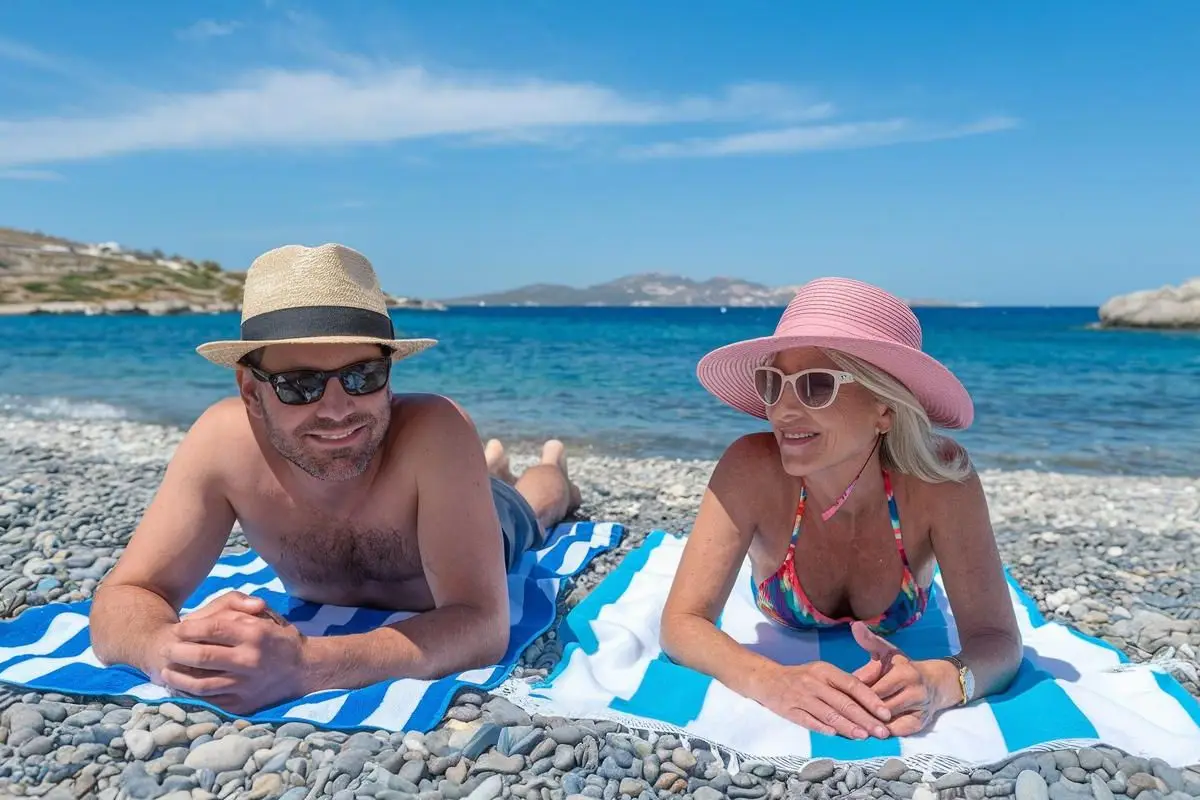
Where Do Mediterranean Cruises Go?
A Mediterranean cruise will typically visit a combination of ports across Spain, France, Italy, Greece, Croatia, Turkey, and the islands, including Sicily, Sardinia, Corsica, Malta, and the Greek islands. Western Med itineraries tend to focus on Spain, France, and Italy. Eastern Med routes lean towards Greece, Turkey, and the Adriatic. Some itineraries combine both, and a growing number now include North Africa, particularly Morocco and Tunisia.
Most cruises run 7-14 nights, visiting 5-8 ports. Longer sailings of 21 nights or more can cover the entire basin. The Med is also one of the few regions where repositioning cruises, sailing from one homeport to another, offer exceptional value, particularly in spring and autumn.
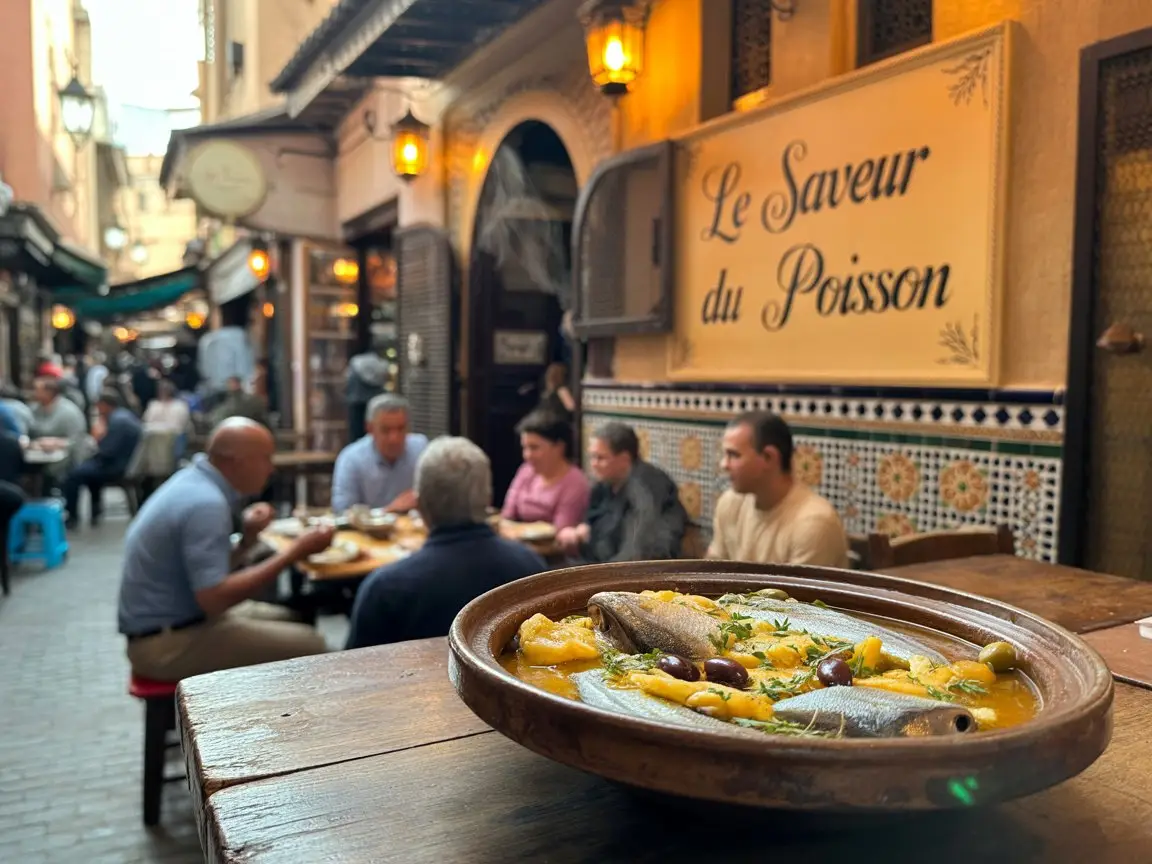
Eastern Mediterranean vs Western Mediterranean: Which Is Right for You?
This is the question most first-timers ask and most travel sites answer badly. Here’s the honest version:
| Western Mediterranean | Eastern Mediterranean | |
|---|---|---|
| Key countries | Spain, France, Italy | Greece, Turkey, Croatia, Montenegro |
| Typical homeports | Barcelona, Civitavecchia, Genoa, Marseille | Athens (Piraeus), Venice, Istanbul, Dubrovnik |
| Best for | Art, architecture, food, city breaks | Ancient history, islands, dramatic scenery |
| Crowd level | High in summer, especially Barcelona and Rome | High in summer, especially Santorini and Dubrovnik |
| Hidden gems | Tunisia, Morocco, Sardinia, lesser-known French ports | Montenegro, Albania, lesser-known Greek islands |
| Flying time from UK | 2-2.5 hours to main homeports | 3-4 hours to main homeports |
Our dedicated guides break both down in full detail:
- Western Mediterranean Cruise Ports, Complete Guide
- Eastern Mediterranean Cruise Ports, Complete Guide

Explore by Country or Region
The Mediterranean stretches across three continents and more coastline than any single itinerary can cover. These are the country and region hubs, each one a full guide to the ports, the practicalities, and the things worth knowing before you arrive.
Spain
Barcelona’s cruise port is one of the busiest in the world for good reason, it’s a serious city with serious things to do. But Spain’s Med coastline runs from the Costa Brava all the way to Málaga, with Palma, Valencia, Ibiza, and Tarragona all worth your time in different ways.
→ Spain: Full Mediterranean Cruise Port Guide
France
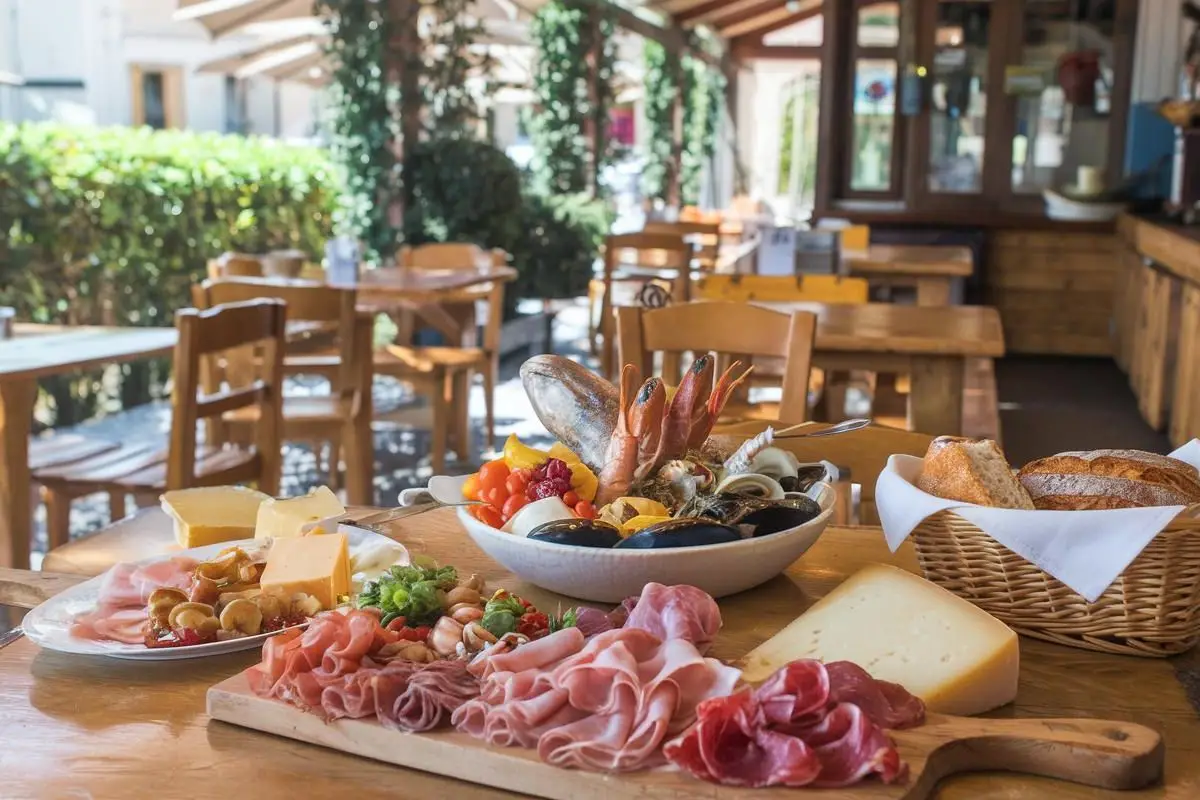
The French Riviera sounds glamorous and mostly delivers, Cannes, Nice, Marseille, Toulon. What cruise brochures don’t tell you is that the best experiences here often involve getting away from the obvious and finding a market, a back street, or a boat to somewhere smaller.
→ France: Full Mediterranean Cruise Port Guide
Corsica
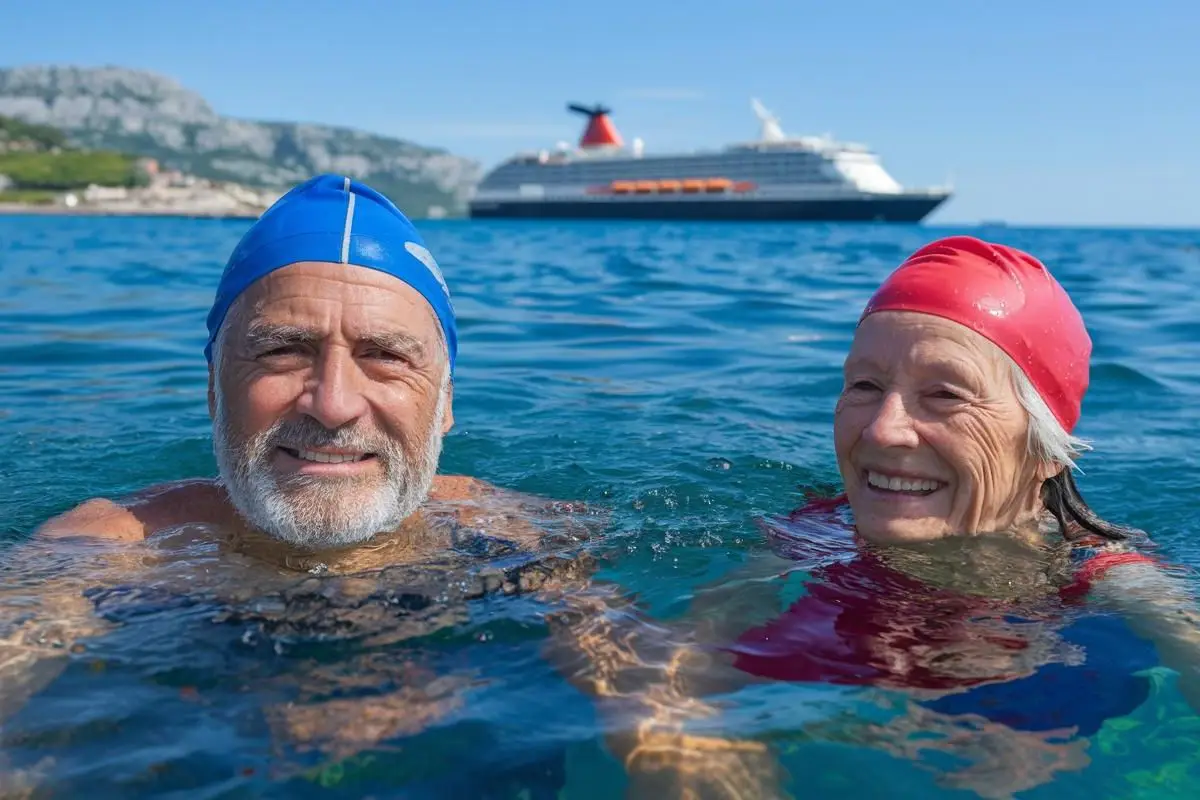
Napoleon’s birthplace, rugged mountain interiors, crystal-clear coves and a stubbornly distinct identity that’s neither fully French nor Italian. Corsica is the Mediterranean port that actually surprises people who think they’ve seen it all.
→ Corsica: Full Cruise Port Guide
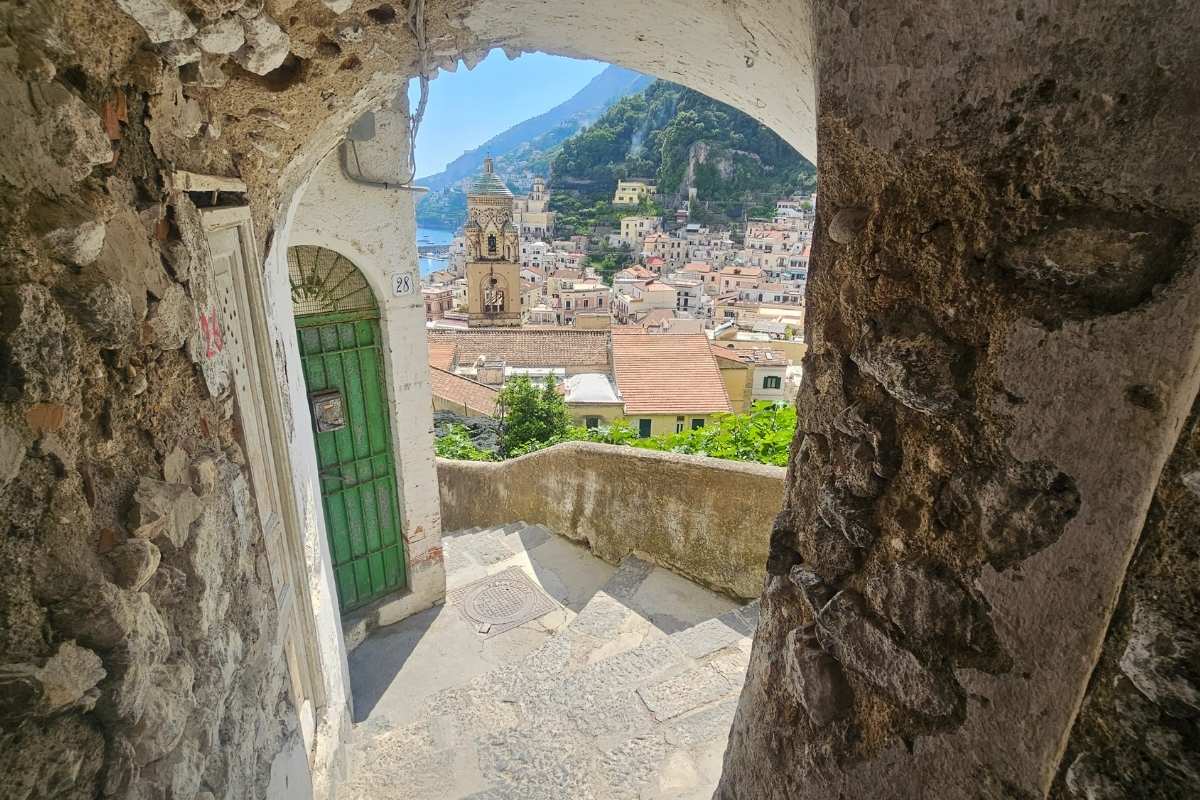
Italy
Rome. Venice. Naples. The Amalfi Coast. Cinque Terre. Italy does more for cruise itineraries than any other country in the Mediterranean, and that’s before you get to the islands. The mainland guide covers everything from Genoa to Civitavecchia.
→ Italy: Full Mediterranean Cruise Port Guide
Italy’s Adriatic Coast
Venice grabs the headlines, but Trieste, Ancona, Bari, Brindisi, and Ravenna all have more to offer than most passengers ever discover. The Adriatic side of Italy is a genuinely different experience from the Tyrrhenian coast.
→ Italy Adriatic: Full Cruise Port Guide
Sicily
Mount Etna, Greek temples older than Rome, black lava beaches and food that puts most of the mainland to shame. Sicily isn’t just another Italian port stop, it’s a destination in its own right.
→ Sicily: Full Cruise Port Guide
Sardinia
Sardinia is what happens when an island refuses to be overrun. The beaches rival anything in the Caribbean. The interior is ancient, rugged, and almost entirely tourist-free. Cruise passengers who actually get off and explore come back with a very different story from those who stayed by the port.
→ Sardinia: Full Cruise Port Guide
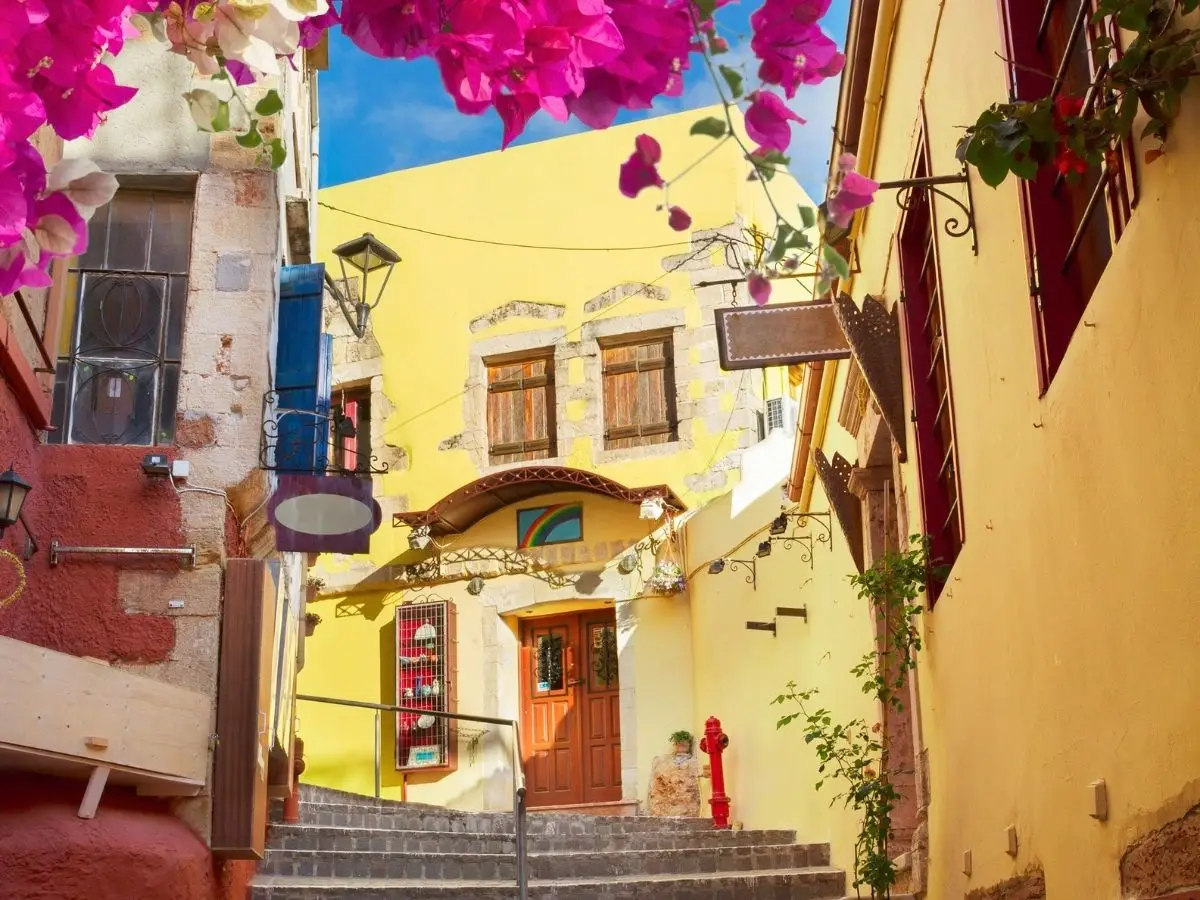
Greece
The Greek island circuit is the closest the Mediterranean gets to perfection, at least until midsummer, when Santorini and Mykonos hit capacity and patience wears thin. The guide covers how to get the best of the obvious stops and where to look when you want something different.
→ Greece: Full Mediterranean Cruise Port Guide
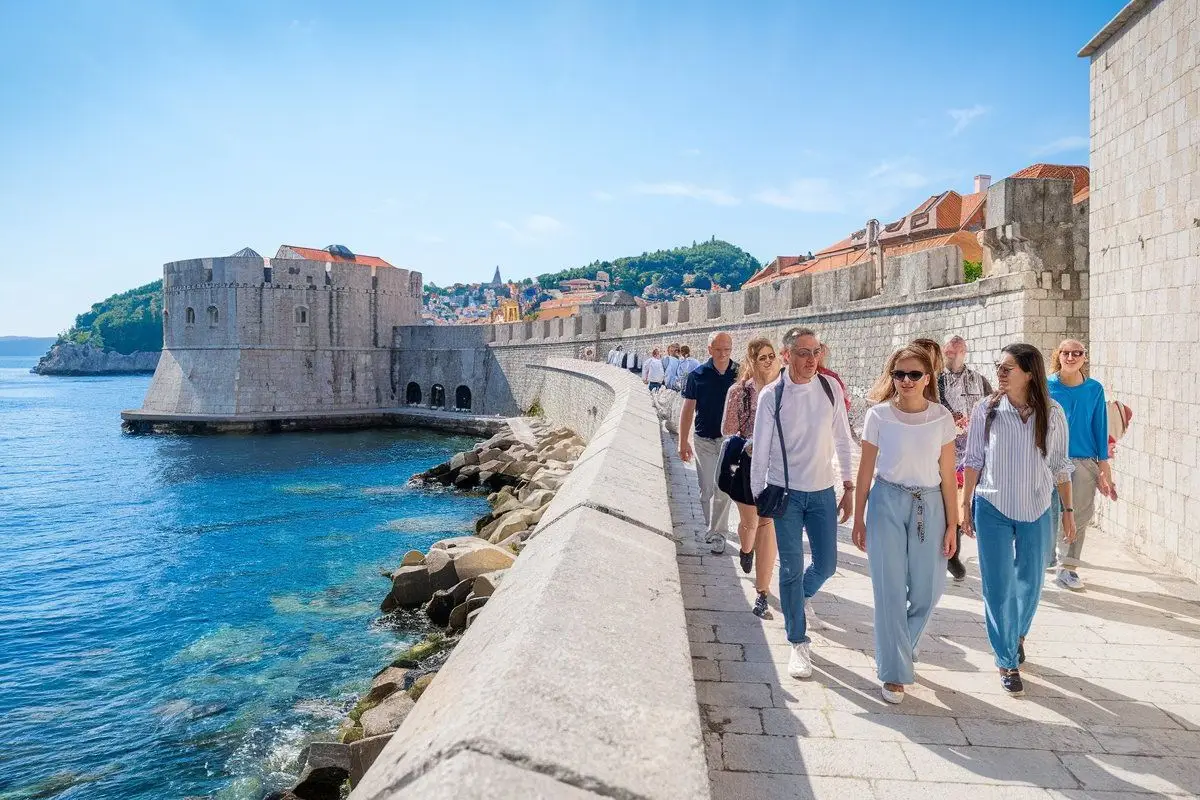
Croatia
Dubrovnik’s walls are genuinely worth the hype. Split’s Diocletian’s Palace is one of the most extraordinary things you’ll walk through on any cruise. And the smaller ports, Korčula, Hvar, Šibenik, are the Croatia that most passengers miss entirely.
→ Croatia: Full Cruise Port Guide
Turkey
Istanbul alone justifies an entire itinerary. Kusadasi (for Ephesus), Bodrum, and the Turkish coast add layers that most Western Med itineraries simply can’t compete with on history or sheer scale.
→ Turkey: Full Mediterranean Cruise Port Guide
Malta
Valletta is Europe’s smallest capital and one of its most concentrated hits of Baroque architecture, military history, and Caravaggio masterpieces. The Grand Harbour alone earns its UNESCO status. Malta sits squarely in the middle of the Med and still gets treated as an afterthought by most itineraries, which makes it one of the better-value stops you’ll encounter.
→ Malta: Full Cruise Port Guide
Tunisia
North Africa a cruise stop? Absolutely. La Goulette is the gateway to Tunis, the Medina, and the ruins of Carthage, one of the genuinely great ancient sites in the Mediterranean world. Tunisia rewards passengers who do their homework and ignore the instinct to stay close to the ship.
→ Tunisia: Full Cruise Port Guide
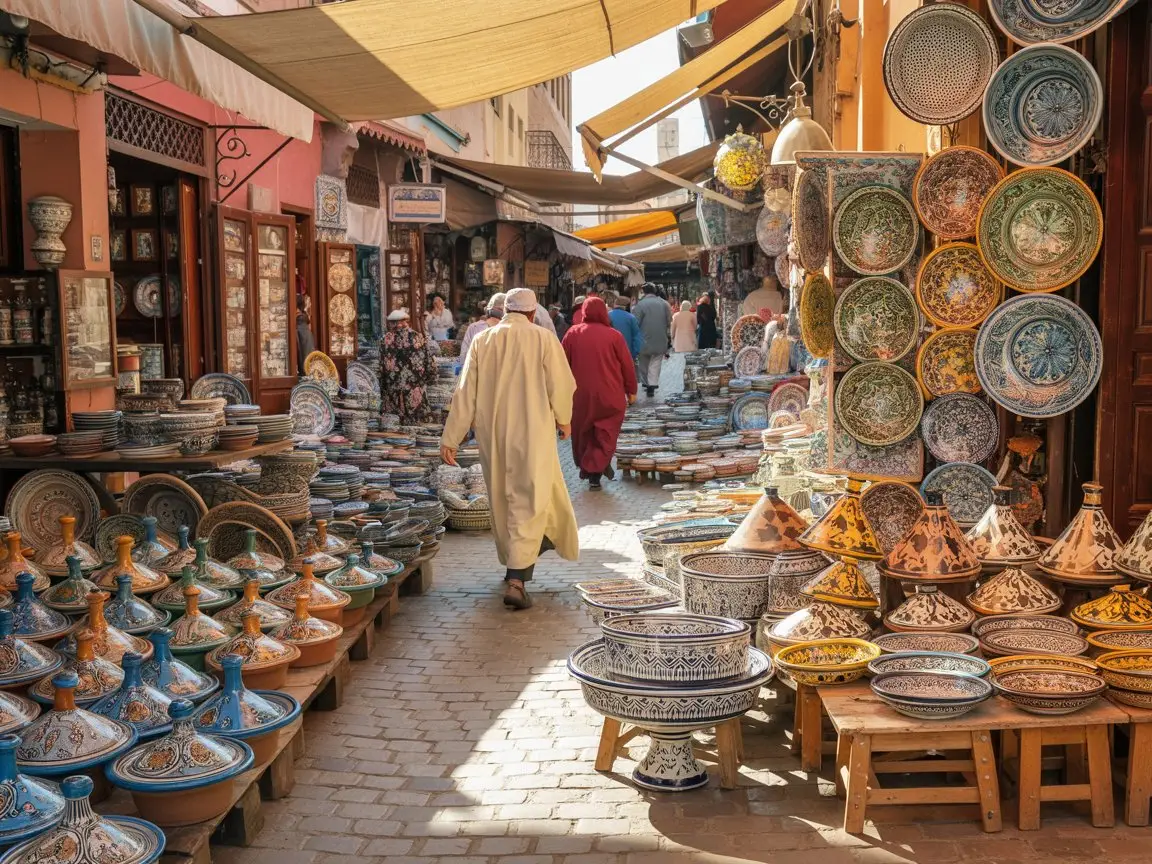
Morocco
Tangier and Agadir appear on Western Med and Canaries itineraries more regularly than people expect. The sensory overload of a Moroccan medina after three days of Italian piazzas is either exactly what you need or completely overwhelming, usually both.
→ Morocco: Full Cruise Port Guide
Best Time for a Mediterranean Cruise
The honest answer: April to June and September to October. That’s when the weather is good, the crowds are manageable, and the prices haven’t hit peak season territory. July and August work if you love heat and don’t mind queues, but go in knowing what you’re signing up for.
| Season | Months | Weather | Crowds | Best for |
|---|---|---|---|---|
| Spring | Apr-Jun | Warm, lush, comfortable | Low-moderate | Sightseeing, first-timers, shoulder-season value |
| Summer | Jul-Aug | Hot (30°C+), long days | Very high | Beaches, nightlife, families with school-age children |
| Autumn | Sep-Oct | Still warm, calmer seas | Moderate | Food & wine, harvest festivals, fewer cruise ships |
| Winter | Nov-Mar | Mild, occasional rain | Low | Cultural immersion, budget travel, quiet ports |
For port-specific timing advice, Ibiza, Naples, Livorno, and others have their own sweet spots:
- When to cruise Ibiza, best weather & conditions
- When to cruise Naples, best weather & conditions
- Best time to cruise Livorno

Major Mediterranean Cruise Departure Ports
Where you embark matters more than most people realise. It affects which itineraries are available, how much flying you’ll do, and what your first day looks like. These are the main homeports:
- Barcelona, Western Med’s busiest homeport. Fly in a day early; the city earns it.
- Civitavecchia, Rome’s cruise port. An hour from the city, worth your time both before and after.
- Genoa, An underrated homeport with a fascinating old town most passengers ignore.
- Athens (Piraeus), Gateway to Eastern Med and Greek island itineraries. Allow a day in Athens itself.
- Venice, The most dramatic embarkation in the Mediterranean, even with the current restrictions on large ships.
- Dubrovnik, Growing as an embarkation point for Adriatic itineraries.
- Istanbul, Galataport puts you within walking distance of the most extraordinary city on the circuit.
- Valletta, Malta increasingly serves as a repositioning hub; a smart embarkation choice for central Med itineraries.
Cruising from the UK without flying? Our guide to UK departure ports covers Southampton, Dover, and beyond.
Mediterranean Cruise Ports at a Glance
A quick reference for the ports that come up most often, with honest assessments of what they actually deliver.
| Port | Country | Don’t miss | Honest note |
|---|---|---|---|
| Barcelona | Spain | Sagrada Família, Gothic Quarter, La Boqueria | Excellent city. Go early, beat the crowds. |
| Valencia | Spain | City of Arts & Sciences, Mercado Central, beaches | Consistently underrated. One of the Med’s best food cities. |
| Ibiza | Spain | Dalt Vila (UNESCO old town), hidden coves | The nightlife reputation overshadows a genuinely beautiful island. |
| Palma, Majorca | Spain | La Seu Cathedral, Bellver Castle, old town tapas | Bigger and better than most people expect from a day visit. |
| Cannes | France | La Croisette, Le Suquet old town, Île Sainte-Marguerite | Glamorous and expensive. Lovely for a few hours. |
| Genoa | Italy | Palazzi dei Rolli, caruggi (medieval lanes), pesto at source | The Med’s most underrated major port. Few cruise passengers bother. |
| Rome (Civitavecchia) | Italy | Colosseum, Vatican, Trastevere | 80km from port. Plan transport carefully or book a tour. |
| Naples | Italy | Pompeii, Herculaneum, original Neapolitan pizza | Chaotic and brilliant. Don’t let the reputation put you off. |
| Amalfi Coast | Italy | Positano, Ravello, coastal road views | Large ships dock in Naples/Salerno. Worth the extra travel time. |
| Venice | Italy | Grand Canal, St Mark’s, Dorsoduro | Large ship restrictions now in place. Arrive by tender or smaller vessel. |
| Santorini | Greece | Oia, Fira, Akrotiri ruins, caldera views | Our standout port. Tendered ashore. Go early to beat the cable car queue. |
| Mykonos | Greece | Little Venice, windmills, Delos Island | Beautiful and expensive. The party reputation is earned but not the whole story. |
| Athens (Piraeus) | Greece | Acropolis, Plaka, Acropolis Museum | One of the great cities of the world. Half a day barely scratches it. |
| Kefalonia | Greece | Myrtos Beach, Melissani Cave, Fiskardo village | One of Greece’s best islands, still relatively crowd-free. |
| Dubrovnik | Croatia | City walls, Old Town, cable car to Srđ | The Pearl of the Adriatic. Crowded but earns the reputation. |
| Split | Croatia | Diocletian’s Palace, Riva Promenade, Bačvice Beach | The port literally runs through a Roman emperor’s retirement home. |
| Istanbul | Turkey | Hagia Sophia, Grand Bazaar, Galata, Bosphorus | The most extraordinary city on the Mediterranean circuit. Full stop. |
| Valletta | Malta | St John’s Co-Cathedral, Grand Harbour, Three Cities | Europe’s smallest capital, one of its most concentrated. Get off the ship. |
| Kotor | Montenegro | Medieval old town, St John’s Fortress hike, Bay of Kotor | The hidden gem of the Adriatic. One of the best port arrivals in Europe. |

Practical Tips for Mediterranean Cruise Ports
- Book shore excursions early for peak season. Santorini cable cars, Acropolis timed entries, and Colosseum tickets all sell out. Don’t assume you’ll sort it on the day.
- The ship’s excursions aren’t always the best option. They’re convenient and guaranteed to get you back on time, but often overpriced and rushed. Research independent alternatives for most ports.
- Know your tendered ports in advance. Santorini, Cannes (some ships), and several Greek islands require a tender transfer. Factor in the time and potential queues.
- Pack for the terrain. Cobblestones, steep hills, and uneven surfaces are the norm across the Med. Good walking shoes matter more than you think. We recommend these walking shoes for women and these for men.
- Carry small amounts of local currency. Cards are widely accepted but small cafes, markets, and taxis often prefer cash.
- The tourist hotspot near the pier is never the best option. Walk five minutes in any direction and the quality improves while the prices drop.
- Check temple and cathedral dress codes before you go. Bare shoulders and shorts will get you turned away at religious sites across Italy, Greece, and Turkey.
- Roaming charges. EU rules mean UK travellers currently have reasonable data roaming in EU ports, but check your plan. Turkey and Montenegro are outside the EU.
For packing, luggage that goes the distance matters on a Mediterranean cruise. We’ve tested Level 8 cases and they hold up to the kind of port-hopping and airline transfers that a Med cruise inevitably involves.
See our deeper guides on first-time cruise tips:
- 7 essential tips for first-time Mediterranean cruisers
- Mediterranean cruise tips, what we wish we’d known
Who Is a Mediterranean Cruise Best For?
Honestly? Almost anyone. The Med is the world’s most accessible major cruise region, close to the UK, with good weather for much of the year, enormous variety, and itineraries at every budget and style level. But some specifics:
- First-time cruisers: The Med is where most people start. Short port stays, manageable weather, world-class destinations, it’s the ideal introduction. Read this before you go.
- History and culture enthusiasts: Nowhere on Earth packs more significant history into a single sea region. Greece, Turkey, Italy, and North Africa together form the cradle of Western civilisation.
- Food lovers: 25 foods worth eating across Med ports, and that list barely covers it.
- Families: Summer Med cruises with major lines work well for families. See our Mediterranean family cruise guide for specifics.
- Solo travellers: The Med is one of the safer and more sociable solo cruise regions. Our first solo cruise guide covers the essentials.
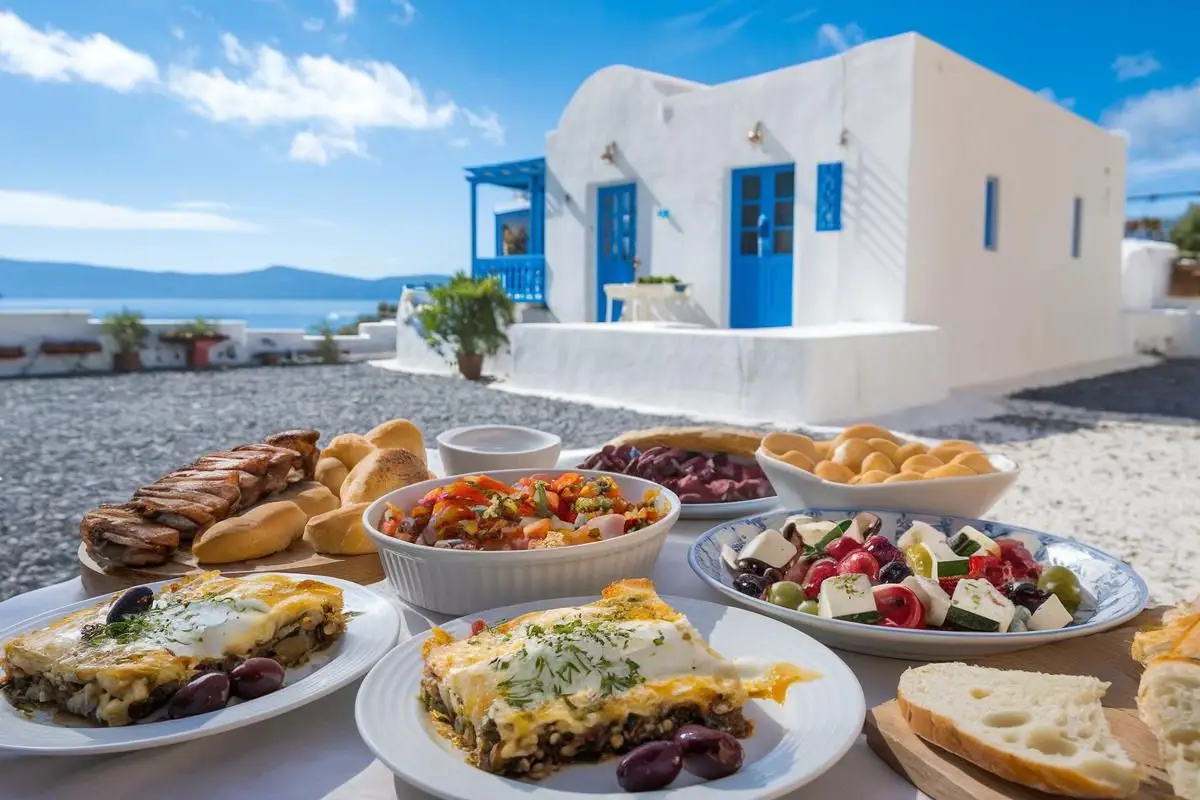
The Food Alone Justifies the Trip
Every port on a Mediterranean cruise has something worth eating, and we don’t mean the tourist-menu calamari near the dock. Fresh pasta made that morning in Genoa’s caruggi. Fava bean purée in a Santorini taverna. Slow-roasted lamb in a Dubrovnik back street. Pastizzi in Valletta at 8am.
We’ve documented the best of it: 25 must-try foods in Mediterranean cruise ports, real dishes, real recommendations, no generic lists.
Common Questions
Can I do a Mediterranean cruise without flying?
Yes. Several major cruise lines sail directly from Southampton, offering repositioning voyages and full Mediterranean itineraries that depart from the UK. The tradeoff is time, expect to spend 3-5 days at sea before reaching Med ports. For many passengers, that’s the appeal. See our cruises from the UK guide for options.
Which Mediterranean cruise ports are worth an overnight stay?
A handful of ports genuinely benefit from overnight or pre/post cruise time: Istanbul (always), Rome (the distance from Civitavecchia means a night in the city before or after makes practical sense), Athens, Barcelona, and Venice. Don’t arrive at these cities for the first time on embarkation morning.
Are Mediterranean cruises suitable for solo travellers?
Very much so. Most major lines now offer solo cabins or reduced single supplements on Med sailings, and the ports themselves are easy and safe to explore independently. Our first solo cruise guide covers everything from cabin choice to meeting other passengers.
What’s the difference between a tendered port and a docked port?
At docked ports, your ship ties up directly at a pier and you walk off. At tendered ports (Santorini, some Corsican ports, and others), the ship anchors offshore and passengers are ferried ashore on small boats called tenders. It adds time and can be affected by weather, worth knowing in advance for planning your day ashore.
Do I need travel insurance for a Mediterranean cruise?
Non-negotiable, yes. Standard travel insurance isn’t always sufficient for cruise trips, look for policies that cover cabin confinement, missed port calls, and cruise-specific medical evacuation. Don’t rely on GHIC/EHIC for comprehensive cover.
Is Morocco or Tunisia safe to visit on a cruise stop?
Both are established cruise destinations with well-developed infrastructure for visitors arriving from ships. Exercise the same situational awareness you would anywhere in the Med. Stick to the main tourist areas if it’s your first visit, and consider a structured excursion from the ship or a well-reviewed independent tour operator. Our Morocco and Tunisia guides have the specifics.
What’s the best Mediterranean cruise for cultural sightseeing?
Eastern Mediterranean itineraries combining Athens, Istanbul, Dubrovnik, and Valletta pack the highest concentration of UNESCO World Heritage sites. For Western Med history, an itinerary covering Rome, Naples (Pompeii), and Barcelona is hard to beat. North Africa itineraries that include Carthage or the Tunis Medina offer something genuinely different from the standard circuit.
Why Trust About2Cruise?
Patricia and the About2Cruise team don’t do press trips, cruise line sponsorships, or glossy itineraries put together by a marketing department. Every port guide on this site is built from real experience, what actually happens when you get off the ship, what’s worth your limited time ashore, and what the brochure conveniently leaves out.
We’ve been sailing the Mediterranean long enough to have strong opinions about which queues aren’t worth joining, which restaurants are traps, and where the genuinely good stuff is hiding. The advice here is the same we’d give a friend planning their first cruise or their fifteenth.
Part of our full cruise port guides index.