
Shopping in Naples as a cruise passenger is a completely different beast from the polished, sanitised retail experience you’ll find in Barcelona or Rome. The port area throws you straight into authentic southern Italian commerce – chaotic, loud, and refreshingly honest about what it is. You’ll find everything from designer knockoffs to genuine artisan ceramics within a ten-minute walk of your ship, but knowing where to look and what to pay makes all the difference between getting a bargain and getting fleeced.
The terminal itself has minimal shopping – a small duty-free counter with the usual suspects – so your real options are either a quick dash to Via Toledo or the markets near Porta Nolana if you’re after something authentic. The pricing gap between tourist traps at Molo Beverello and the real shops just a few streets inland can be staggering, sometimes 200% markup for identical items. Let’s break down where to actually spend your euros and what’s worth bringing home.
Via Toledo: The Main Shopping Artery
Via Toledo stretches from the port area up towards Piazza Dante and it’s where most cruise passengers end up. The street itself is pedestrianised for most of its length, which makes browsing easier but also means you’re competing with local shoppers and tourists from the hotels. The first few blocks nearest the port are dominated by international chains – Zara, Mango, Foot Locker – nothing you couldn’t find at home but useful if you’ve forgotten something essential.
The real finds start appearing once you get past Piazza Carità, about fifteen minutes’ walk from the terminal. Here’s where the independent boutiques selling Italian leather goods, local fashion, and proper ceramics start to outnumber the chain stores. The pricing is standard Italian retail, which means leather jackets run around €200-400 for decent quality, handbags €80-150, and those gorgeous hand-painted Vietri ceramics €15-50 depending on size.
What to look for on Via Toledo:
- Leather goods from the shops between Via Diaz and Via Monteoliveto – better quality and prices than the tourist traps at the port
- Cameo jewellery at the smaller goldsmiths (look for “Cammei” signs) – Torre del Greco is the cameo capital of Italy and it’s just down the coast
- Italian fashion labels like Liu Jo, Pinko, and Patrizia Pepe at 20-30% less than UK prices
- Hand-painted ceramics from Vietri sul Mare – avoid the obviously mass-produced stuff near the port
- Coral jewellery, though you need to know what you’re looking at as fake coral is everywhere
The shops generally open around 10:00 and close for a few hours in the afternoon before reopening until 19:00 or 20:00. Sundays can be hit or miss. Card payments are widely accepted but smaller shops sometimes offer a “cash discount” of 5-10% if you ask nicely.
Duty-Free at the Terminal: Managing Expectations
Let’s be blunt – the duty-free situation at Naples cruise terminal is disappointing compared to what you might expect from larger ports. There’s a small shop at the Stazione Marittima that sells the standard rotation of spirits, cigarettes, perfumes, and a token selection of Italian souvenirs. The alcohol prices are competitive (limoncello around €8-12 for a decent bottle), but the gift selection is limited to mass-produced items you’ll see at every Italian airport.
If you’re hoping to grab last-minute presents here, you’ll be choosing between:
- Standard limoncello bottles with generic labels
- Pre-packaged pasta and sauce sets
- Tourist-grade ceramics with “Napoli” stamped on them
- Overpriced leather wallets and keychains
- The usual perfume and cosmetics brands
The pricing on non-duty-free items is inflated – you’re paying for convenience and captive-audience economics. That ceramic lemon dish that costs €25 at the terminal will be €10-15 at the shops just outside the port gates. The duty-free alcohol and cigarettes are legitimately cheaper than city prices, so if you’re stocking up on spirits or tobacco, this is your spot. For everything else, you’re better off shopping before you get back to the ship.
One useful thing: the terminal shop does sell proper Italian coffee brands (Lavazza, Illy) at reasonable prices, and these make decent gifts if you’ve run out of time or ideas. For more details on terminal facilities and layout, check out our comprehensive guide to the Naples cruise terminal.
What to Buy: Local Specialities Worth the Luggage Space
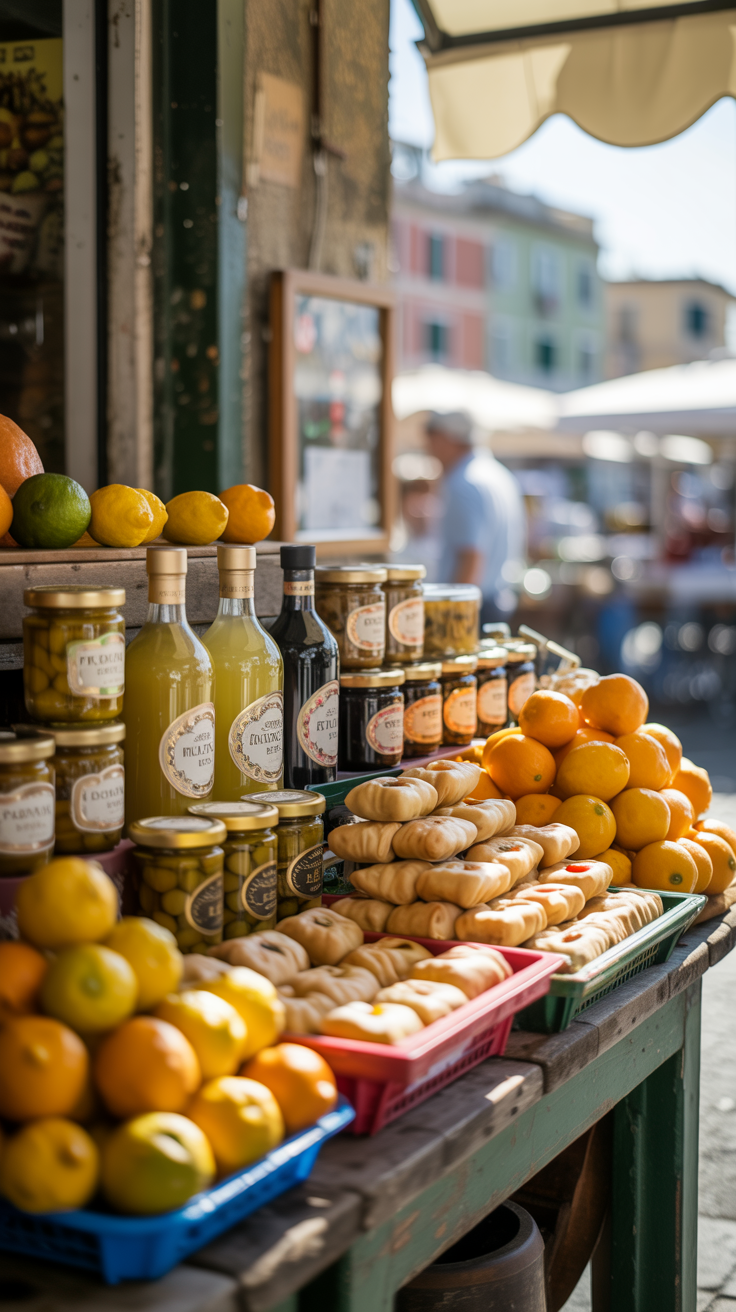
Naples has some genuinely special products that you won’t find elsewhere, and knowing what’s actually local versus what’s generic Italian imports helps you shop smarter. The city and surrounding Campania region produce several items that are worth seeking out, though you’ll need to distinguish between authentic local goods and the tourist-grade versions.
Limoncello and local spirits
Every shop sells limoncello, but quality varies wildly. The stuff in the fancy ceramic bottles at tourist shops is often mediocre liqueur in pretty packaging. Look for bottles from Sorrento or the Amalfi Coast (check the label) and expect to pay €12-20 for a proper 700ml bottle. The very cheap stuff (under €8) is usually industrial production. Some shops let you taste before buying, which is always a good sign. Crema di Limoncello is the creamy version and equally good.
Hand-painted Vietri ceramics
This is what you see everywhere – plates, bowls, lemon-shaped containers, tiles. Authentic Vietri ceramics come from Vietri sul Mare, a town along the Amalfi Coast, and feature bright colours with traditional patterns (lemons, fish, geometric designs). The real stuff is painted by hand and you’ll see slight variations between pieces. Mass-produced versions are transfer-printed and perfectly uniform. Prices for genuine articles start around €15 for a small dish and go up to hundreds for large serving platters. The shops on Via Toledo have better selections than the port area, and you can often negotiate on multiple pieces. If you’re buying fragile ceramics to bring home, pack them carefully in compression packing cubes with your clothing for extra cushioning.
Coral and cameo jewellery
Torre del Greco, just outside Naples, is famous for both. Coral jewellery ranges from simple pendants (€30-80) to elaborate necklaces (€200+). The catch is that much of what’s sold as coral is actually resin or plastic. Genuine coral feels cool to the touch, and reputable jewellers will have certification. Cameos carved from shell or stone are similarly variable in quality – the cheap ones are moulded plastic, the real ones are hand-carved and cost €50+ for even small pieces. Stick to established jewellers in the Galleria Umberto or on the upper section of Via Toledo rather than the stalls near Molo Beverello. A travel jewellery organizer is essential for keeping delicate purchases safe during the journey home.
Leather goods
Southern Italy produces excellent leather, though not all of what’s sold as “Italian leather” actually is. Good indicators of quality include finished edges, tight stitching, and leather linings (not fabric). Prices for a decent leather handbag start around €80-100, jackets from €200. The shops along Via Toledo and in the side streets offer better quality than the tourist stalls. If the price seems too good to be true (€30 “leather” jacket), it’s probably bonded leather or synthetic.
Food products worth packing
- Sfogliatelle pastries from a proper pasticceria – eat fresh, they don’t travel well but they’re incredible
- Dried pasta from Gragnano (another local town known for pasta) – superior to supermarket brands
- Colatura di alici (anchovy sauce) from Cetara – intense umami flavour, small bottles pack easily
- Taralli biscuits – savoury crackers that keep well and make good gifts
- Proper buffalo mozzarella if you’re eating it that day – won’t survive the journey home
- Amalfi Coast lemons (huge and fragrant) if you have space – they’re the base for real limoncello
For authentic food shopping experiences and local products at proper prices, the street markets frequented by Neapolitans offer better value than tourist-oriented shops.
Local vs Tourist Prices: The Reality
The pricing structure in Naples port shopping can be frustrating because it’s so geographically stratified. The same item gets progressively cheaper the further you walk from the cruise terminals, sometimes absurdly so. Understanding this helps you avoid overpaying or wasting time walking for minimal savings.
| Item | Port/Molo Beverello | Near Terminal (5 min walk) | Via Toledo/Centro | Local Markets |
|---|---|---|---|---|
| Hand-painted ceramic lemon | €25-30 | €15-20 | €10-15 | €8-12 |
| Limoncello (700ml, decent quality) | €18-25 | €15-18 | €12-15 | €10-14 |
| Leather wallet | €40-50 | €25-35 | €20-30 | €15-25 |
| Cameo pendant | €60-80 | €40-60 | €30-50 | Variable quality |
| Pashmina/scarf | €20-25 | €12-15 | €8-12 | €5-8 |
The port area vendors know you’re on limited time and price accordingly. The shops within the first two streets of the terminal aren’t quite as extreme but still carry a tourist premium. Via Toledo represents something closer to standard Italian retail pricing. The markets (Pignasecca, Porta Nolana) offer the lowest prices but quality is more variable and you need to inspect items carefully.
Negotiation is possible at smaller shops and market stalls, less so at established boutiques. Starting at 60-70% of the asking price isn’t insulting in market contexts, and you’ll usually settle around 75-80%. Shops rarely negotiate on marked prices but might offer a discount for multiple items or cash payment. The magic phrase is “C’è uno sconto?” (Is there a discount?) delivered with a smile.
Timing Your Shopping Trip
Most cruise passengers have 8-10 hours in port, and how you allocate shopping time depends on what else you’re doing. If you’re taking an excursion to Pompeii or the Amalfi Coast, you’ll likely have minimal shopping time – maybe 30-60 minutes before or after. If you’re staying in Naples, you can be more strategic.
Morning arrival strategy:
- Drop bags at left luggage if available
- Head straight to Via Toledo (10-15 min walk) before the crowds arrive
- Shops open around 10:00, so arrive then for first pick of items
- Do your browsing and purchasing in the morning
- Afternoon: lunch and sightseeing without bags
- Return to ship 60-90 minutes before all aboard
Afternoon departure strategy:
- Morning: sightseeing or excursions
- Early afternoon: quick shop on Via Toledo (13:00-15:00 many places close, so time this carefully)
- After 15:30-16:00: shops reopen, do serious shopping
- Back to ship 60-90 minutes before departure
Things that will slow you down:
- Queues at the Galleria Umberto jewellery shops can be long in high season
- Ceramic shops require careful packing – allow time for them to wrap items properly
- Credit card machines in smaller shops can be slow or temperamental
- The walk back to the ship with shopping bags in Naples heat is harder than you think
If you’re planning to eat near the port before shopping, there are several solid options that won’t destroy your schedule – see our guide to restaurants within walking distance of the cruise terminal.
What to Avoid: The Tourist Traps
Naples has its share of shopping pitfalls, and cruise passengers are prime targets. The vendors near Molo Beverello and Stazione Marittima know you’re time-pressured and unlikely to return, which creates some questionable practices.
Fake designer goods: They’re everywhere, particularly handbags and sunglasses. Street vendors will approach you constantly. Buying counterfeit goods is illegal in Italy and you can be fined, though enforcement on tourists is rare. Quality is universally terrible regardless of price.
“Coral” jewellery that isn’t: Plastic and resin painted to look like coral is rampant. If it’s cheap (under €20 for a necklace) and being sold by a street vendor, it’s not coral. Real coral is regulated and expensive.
Overpriced leather that isn’t leather: Bonded leather (leather scraps glued together) and synthetic materials sold as “genuine Italian leather” are common near the port. If you can’t see the back of the material or if it looks suspiciously uniform and plastic-like, walk away.
Pressure-selling in the port area: Some vendors get aggressive, particularly with groups of tourists. “Special price for you, only today” is always nonsense. You don’t owe anyone your time or attention.
Pre-packaged “Italian” food gifts: Much of the pasta, sauce, and olive oil in tourist shops is mass-produced and no better than supermarket quality. The fancy packaging adds cost but not quality.
Ceramic “bargains”: Boxes of six small ceramic pieces for €20 sounds great until you realise they’re mass-produced in Asia, not hand-painted in Vietri. Check for “Made in Italy” labels and remember that real hand-painted ceramics have slight variations between pieces.
Practical Shopping Tips
A few operational details that make the experience smoother:
Payment: Most established shops take cards, but there’s often a minimum (€10-20). Small vendors and market stalls are cash-only. ATMs are available along Via Toledo and near Piazza Municipio. Dynamic currency conversion at card terminals is a ripoff – always pay in euros. Keep your phone and other electronics charged with a portable power bank so you can use payment apps and maps throughout the day.
VAT refunds: Available on purchases over €154.94 from shops enrolled in the Tax Free scheme. You need your passport, the shop provides paperwork, and you claim the refund at the airport when leaving the EU. It’s rarely worth the hassle for most cruise purchases unless you’re buying expensive items.
Packing fragile items: Ceramic shops are experienced at wrapping for travel. If you’re buying multiple pieces, ask them to pack everything together securely. Bring bubble wrap if you’re planning serious ceramic shopping – most ships don’t provide packing materials. Use packing cubes to organize your purchases and protect them in your luggage.
Language: English is widely understood in tourist-oriented shops, less so in local stores and markets. Basic Italian courtesy phrases help. Pointing and calculator-showing works for negotiations.
Carrying bags: The walk from Via Toledo back to the ship is about 15-20 minutes and includes some areas with uneven pavement. If you’re buying heavy or bulky items, consider shopping in stages or taking a taxi back (€10-15 to the port from central areas). An anti-theft backpack is useful for carrying purchases while keeping your hands free and valuables secure.
Crowds: Via Toledo gets packed between 11:00-17:00, especially on days when multiple ships are in port. Earlier or later shopping is more pleasant. The Galleria Umberto is covered and air-conditioned, making it better for hot days.
Security: Naples has a reputation for pickpocketing that’s somewhat exaggerated but not entirely unfounded. Crossbody bags, front pockets for phones and wallets, and awareness in crowded areas are sensible precautions. Don’t leave shopping bags unattended while browsing. Consider an anti-theft crossbody bag for carrying valuables while you shop.
Extend Your Stay in Naples
If shopping is a priority, you might consider spending a night before or after your cruise. Hotels in Naples city centre put you within easy walking distance of Via Toledo, the markets, and better shopping areas that cruise passengers with limited time can’t reach. The Chiaia district, about twenty minutes’ walk from the port, has upscale boutiques and local designer shops that are worth exploring if you have the time.
Accommodation near Piazza Municipio or the waterfront combines shopping access with port convenience – you can walk to the terminal in fifteen minutes or grab a quick taxi. An extra day also lets you reach the ceramics workshops in Vietri sul Mare (40 minutes by train) where you’ll find better prices and selection than in Naples itself. The markets open early, so staying overnight means you can shop at Porta Nolana or Pignasecca when locals do, before the tourist crowds arrive and when vendors are more willing to negotiate.
Several hotels near Via Toledo offer left-luggage services even after checkout, so you can shop on departure day without dragging bags around. Pack efficiently with hardside carry-on luggage that protects fragile purchases better than soft bags.
Personal Experience
I spent a morning wandering down Via Toledo before my cruise departed, and honestly, it’s where you’ll find the real Naples shopping experience. The street is packed with everything from Zara and H&M to smaller Italian boutiques selling leather goods and those gorgeous hand-painted ceramics. The prices here are pretty standard European retail, but I noticed the leather jackets and bags were significantly cheaper than what I’d seen in other port cities. Just watch out – the shops closest to the port tend to mark things up for tourists. I walked about ten minutes inland and found the same scarves going for nearly half the price. The duty-free shop at the terminal is honestly pretty basic, mostly liquor and cigarettes with a few token Italian souvenirs thrown in, so don’t count on it for last-minute gifts.
Before heading back to the ship, I grabbed some limoncello from a small shop on a side street (way better quality than the terminal stuff) and a couple boxes of sfogliatelle pastries that the locals were lining up for. The best tip I got was from our taxi driver who said to avoid the shops right at Molo Beverello where the ferries dock – they know you’re desperate and charge accordingly. If you’ve got time, the Galleria Umberto near Via Toledo has some beautiful coral jewellery shops where you can actually negotiate a bit. Just remember that most places take cards now, but having some cash helps when you’re trying to talk down prices at the smaller vendors. I kept my phone charged with a compact portable charger so I could use Google Translate and maps all day.
Want to know more about getting oriented in port? Read our detailed Naples port arrival and departure guide for everything you need to know about the terminal and getting into the city.
Common Questions & FAQ
How much time do I need for shopping in Naples from the cruise port?
A quick duty-free and souvenir run at the terminal takes 20-30 minutes maximum. If you’re walking to Via Toledo for proper shopping, allow at least 2-3 hours total including the 30-minute round-trip walk. Serious shopping with time to browse ceramics, compare leather goods, and visit the Galleria Umberto needs 4-5 hours.
Remember all-aboard time is typically 30 minutes before departure, and you want to be back 60-90 minutes early to avoid stress. Comfortable walking shoes for women or walking shoes for men are essential for the cobblestone streets, and bring blister prevention if your feet are prone to rubbing.
Can I get designer brands cheaper in Naples than at home?
Italian fashion brands like Pinko, Liu Jo, Max Mara, and Patrizia Pepe are generally 20-30% cheaper than UK prices, sometimes more during sale periods. International brands like Zara or Mango have similar pricing across Europe. Luxury houses (Gucci, Prada) have official boutiques in central Naples with standard European pricing – you won’t find bargains on the authentic items, and anything being sold at massive discounts near the port is counterfeit.
Is the ceramic pottery from Naples actually made locally?
Authentic Vietri ceramics are made in Vietri sul Mare, about 50km south of Naples along the Amalfi Coast. What you see in Naples shops is a mixture of genuine Vietri pieces, ceramics from other Italian regions, and mass-produced imports from Asia. Check for “Made in Italy” or “Vietri sul Mare” stamps, and remember that real hand-painted pieces show slight variations in pattern and colour. If every piece is identical and suspiciously cheap, it’s probably not authentic.
Should I buy limoncello at the cruise terminal or in town?
The terminal duty-free sells standard commercial limoncello brands at competitive prices for alcohol, but the quality is average. Small shops on Via Toledo and the side streets sell better quality artisan limoncello from Sorrento and the Amalfi Coast for €12-18 per bottle. If you only care about having some limoncello and want convenience, the terminal is fine. If you want something that actually tastes good and makes a proper gift, walk ten minutes into town.
Are credit cards widely accepted or do I need cash?
Established shops on Via Toledo and in the Galleria Umberto take cards, though many have minimums of €10-20. Market vendors and small street stalls are cash-only. ATMs are available along Via Toledo and near the port. Bring some cash for smaller purchases, negotiations at markets, and as backup in case card machines aren’t working. Having cash also gives you leverage for the “cash discount” that some shops offer. Keep your cards and cash organized in a hanging toiletry bag that doubles as a secure organizer for shopping receipts and small purchases.
What’s the best area for authentic shopping away from cruise passenger crowds?
The Chiaia district, about 20-25 minutes’ walk from the port or a short taxi ride, has local boutiques and shops where Neapolitans actually shop. Via dei Mille and the streets around Piazza dei Martiri have independent fashion boutiques, jewellery shops, and home goods stores with much less tourist traffic. The Vomero neighbourhood (reachable by funicular or metro) is where locals go for everyday shopping and has better prices on leather goods and clothing. If you have limited time, the upper section of Via Toledo past Piazza Dante already feels less touristy than the port end.
Can I negotiate prices in Naples shops?
In established boutiques with marked prices, negotiation isn’t really done though you can ask about discounts for multiple items or cash payment. At market stalls and smaller vendors, negotiation is expected – start at 60-70% of the asking price and expect to settle around 75-80%. Be polite, smile, and be prepared to walk away if you’re not getting a fair price. The vendors near the port are less flexible because they have a steady stream of cruise passengers, but shops further into town are more open to negotiating, especially late in the day.
What happens if I buy fragile ceramics and they break on the ship?
Shops experienced with tourist sales pack ceramics very carefully with bubble wrap and cardboard, but accidents happen. Keep ceramic purchases in your cabin rather than checked luggage. Most shops don’t offer insurance or replacements for items that break after you leave, so inspect packing carefully before you walk away. If you’re buying expensive pieces, consider shipping them home through a specialist service rather than carrying them. Some ceramic shops offer shipping to the UK, though costs can be significant and delivery times long. Using travel shoe bags can provide extra padding for wrapped ceramics in your luggage.