
Naha is Okinawa’s main cruise port, sitting on the southern coast of Japan’s southernmost prefecture, and it comes with a catch: two separate berths, not one. Most ships tie up at the Wakasa terminal, a short walk from Kokusai-dori Street, but the bigger vessels get sent to a second, far more industrial pier several miles away. Work out which one you’re getting before you leave the cabin, because guessing wrong turns a nice morning into a stressful one.
Okinawa Port Basics: What First-Time Cruisers Need to Know
Naha Port sits on the East China Sea and works as the maritime capital of Okinawa Prefecture, Japan’s southernmost region. It’s a docked port, not a tender port, so ships tie up directly at the quayside at Berth 8 rather than anchoring offshore and ferrying you in by small boat.
There’s a shuttle bus linking the terminal to Kokusai-dori Street, though it’s running on a trial basis and schedules can shift, more on that further down. Government data cited via Fukuoka Now puts Hakata Port in Fukuoka top of the pile for foreign cruise ship calls, with Naha close behind in second and Nagasaki in third, so Okinawa is still very much on the cruise map.
If Okinawa is just one stop on a longer Japan itinerary, our guide to cruising Japan’s other ports is worth a look, and our Kanazawa cruise ship port guide covers the very different scenery you’ll find further north.
Naha Cruise Terminal: Wakasa Berth and the Second Berth
Here’s the detail that catches people out: Naha has two separate cruise terminals, about 2.6 miles apart, and only one of them is anywhere near the city.
- Naha Cruise Terminal (Wakasa Berth): the main terminal, close to downtown Naha and roughly a 20-minute walk from Kokusai-dori Street.
- Naha Second Cruise Berth (Aja Shinko Pier): an industrial cargo pier pressed into cruise service for the largest ships, including calls by vessels such as MSC Bellissima, and around 5.5km from the city centre.
| Terminal | Distance to city centre | Walkable? | Terminal building |
|---|---|---|---|
| Wakasa Berth (Naha Cruise Terminal) | About 20 minutes on foot to Kokusai-dori Street | Yes | Full-service building with immigration facilities, Wi-Fi and tourist information |
| Second Berth (Aja Shinko Pier) | Around 5.5km, roughly 3.5 miles | No, industrial zone with no pedestrian access | No dedicated building, temporary set-up only |
The map below shows the Wakasa Berth, the terminal most people sailing into Naha will use.
Avoid This Costly Taxi Mistake at the Second Berth
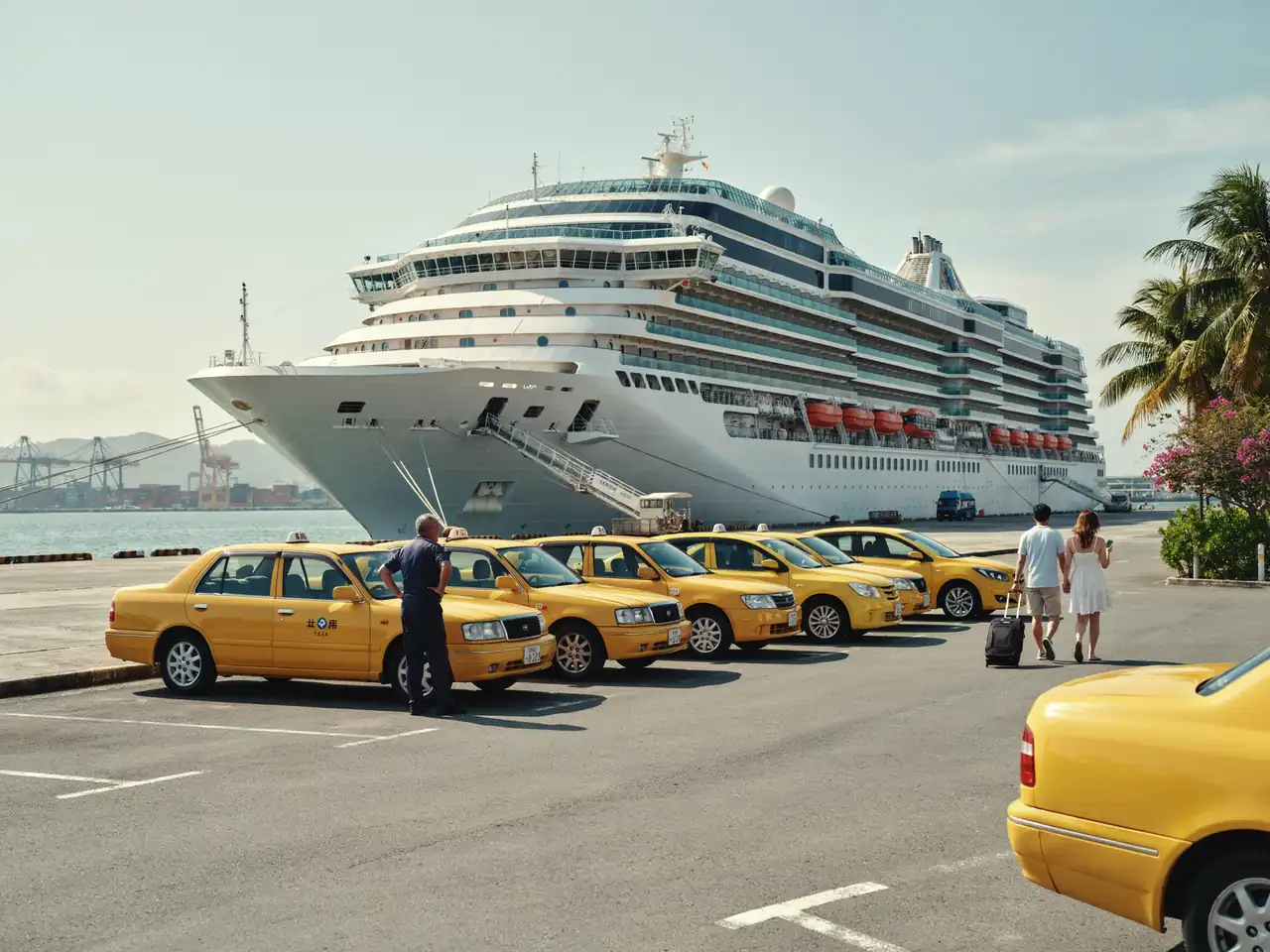
This is the single most common way people lose an afternoon in Naha, and it applies even if you’re fairly sure your ship uses the main terminal. No authority publishes a berth-assignment schedule telling you which pier a given ship or cruise line will use on a specific call, so don’t assume anything based on last year’s cruise or your mate’s experience.
The real trap comes on the way back from the Second Berth. Tell a taxi driver “Naha Port” and there’s a good chance you’ll get dropped at the Wakasa terminal, miles from where your ship is sitting. Say “Second Berth” or Aja Shinko instead, and where you can, check the exact berth name with crew or the shore excursions desk before you head off the ship in the morning.
Don’t try walking out of the Second Berth either. It’s a working container yard with heavy truck traffic, no pavement for the first stretch, and security staff who’ll stop you on safety grounds anyway.
Inside the Okinawa Cruise Terminal: Facilities and What’s Missing
The Wakasa Berth building is a proper full-service terminal, run by the Naha Port Authority, with free Wi-Fi, ATMs, currency exchange, multilingual tourist information, duty-free shopping, and ramps and lifts throughout for wheelchair access.
What it doesn’t have is any general shopping or dining, so don’t plan on grabbing a coffee before you head out, there isn’t one. There’s no confirmed left luggage option inside the terminal either. If you need to dump a bag, try the coin lockers at the Tourist Information Centre, about a 20-minute walk away, or the Yamato Transport counter at Naha Airport.
Facilities at the Second Berth are far more basic, unsurprisingly, given it’s primarily a cargo pier. There’s no dedicated terminal building, just temporary set-ups when a ship is in, and nothing published on wheelchair or mobility access. If accessibility is a concern, contact your cruise line directly before a call here.
Getting Into Naha City: Shuttle Bus, Taxi and Rail
A shuttle bus has been running on a trial basis between the Wakasa terminal and Kokusai-dori Street, stopping near the Bank of Okinawa head office and Kencho-mae, roughly every 30 minutes. The one-way fare is a small amount in yen for adults, half that for children, paid as you board, so keep some cash handy.
This trial has a confirmed end date on the horizon, so treat it as a bonus rather than a promise. Check with your cruise line or the Naha Port Authority before you count on it, since schedules and fares on trial routes like this can change, or vanish, with little notice.
Sources disagree on how long the walk to Kokusai-dori takes, some say about 20 minutes on foot from the terminal, others reckon it’s closer to a 10-minute hop by taxi or shuttle. Either way it’s a manageable distance. If in doubt, allow the longer estimate and enjoy the stroll.
For sights further out, the Yui-Rail monorail runs about 13km from the airport up to Shuri Castle in around half an hour, and it’s a handy way to string together a longer day ashore.
One local quirk before you join a taxi queue, the left rear door opens and closes automatically, the driver controls it. Leave the handle alone, and don’t bother tipping.
When Multiple Ships Are in Port
Okinawa’s cruise calendar is busiest from autumn through spring, and it’s common for two or more large ships to dock on the same day in that window. When that happens, taxi demand at the gate outstrips supply within 30 to 45 minutes of everyone clearing the terminal, and the shuttle buses fill fast.
Build in a buffer of 20 to 40 minutes for ground transport on a busy day, and if you’re at the Wakasa Berth and travelling light, consider walking the first stretch toward Kokusai-dori Street rather than joining the queue.
Things to Do Near Naha Cruise Port
Kokusai-dori Street is the obvious first stop, a long run of souvenir shops, cafes and restaurants that most Naha day-trip plans are built around. Just off it, Tsuboya Yachimun-dori Street is worth the detour for its traditional Tsuboya pottery workshops and shops.
Makishi Public Market, often called the kitchen of Naha, is the place to try Okinawan specialities such as goya chanpuru, a stir-fry built around bitter melon, and Okinawa soba, a noodle dish quite different from the soba you’ll find elsewhere in Japan. Okinawa’s humidity turns even a short stroll along Kokusai-dori into thirsty work, so pack a collapsible water bottle in your day bag.
Shuri Castle, the former palace of the Ryukyu Dynasty, is part of the Gusuku Sites and Related Properties of the Kingdom of Ryukyu, a UNESCO World Heritage listing. The main hall has burned down and been rebuilt more than once, most recently after a serious fire in recent years, and restoration work is still ongoing, but the castle park and grounds stay open to visit in the meantime.
If you’re combining Naha with a call further south in the Ryukyu chain, our Ishigaki cruise ship port guide covers another compact, walkable Okinawan port.
Naminoue Beach: The Closest Place to Swim
Naminoue Beach is the nearest spot to cool off, about a 15 to 20-minute stroll, just under a mile from the terminal. Expect white sand, showers, lockers, and lifeguards on duty from spring through autumn.
If a swim’s on the cards, pack reef safe sunscreen rather than buying it locally, Okinawa’s subtropical sun is stronger than it looks from the deck.
Farther Afield: Day Trips Worth the Drive
Okinawa World, a theme park built around local culture roughly 30 to 40 minutes south of Naha, centres on the Gyokusendo Cave, a limestone cavern, and also has a traditional craft village and a habu snake museum tucked in.
North of the city, about a 40-minute drive, American Village in Chatan is a shopping and entertainment complex with a distinctly American theme, its Ferris wheel, restaurants and seafront setting draw the crowds.
Cape Manzamo, a dramatic clifftop formation shaped like an elephant’s trunk, is a longer outing, 60 to 90 minutes each way, and only really worth it if your ship’s in port for most of the day.
Weather and Typhoon Season
Typhoon season runs roughly from early summer through to late autumn, and Naha historically sees three to four typhoon events a year, with the highest chance of disruption in high summer. Port operations can change at short notice during this window, so keep your shore plans flexible if you’re cruising at this time of year.
Quick Checklist Before You Cruise to Okinawa
- Confirm which berth your ship is using, Wakasa or the Second Berth, with your cruise line before you disembark.
- Carry small yen notes for the shuttle bus fare and any market purchases.
- Check the shuttle bus is still running before relying on it as your only way into town.
- Pack for humidity and strong sun even on a short port day.
- Allow extra time for taxis if more than one ship is in port that day.
- Remember the terminal itself has no dining, no shopping and no confirmed luggage storage.
Common Questions
Is Naha a tender port?
No. Ships dock directly at Berth 8, whether that’s the Wakasa terminal or the Second Berth, so you walk straight off rather than getting ferried ashore.
How do I find out which terminal my ship will use?
There’s no published berth schedule, so check your cruise documents or ask crew on the morning, rather than guessing based on ship size or a previous call.
Is there Wi-Fi at the cruise terminal?
Yes, at the Wakasa Berth, which has free Wi-Fi alongside ATMs and tourist information. The Second Berth has no dedicated building and no confirmed facilities.
Can I walk into central Naha from the ship?
From the Wakasa Berth, yes, Kokusai-dori Street is a manageable walk. From the Second Berth, no, it’s an industrial area with no safe way out on foot.
Do I need cash on shore?
Yes. The shuttle bus fare is paid in yen as you board, and there’s no dining or shopping inside the terminal itself.
Is Shuri Castle worth visiting while it’s under restoration?
The park and grounds stay open even while the main hall’s being rebuilt, and the site’s Ryukyu Dynasty history still makes it worth the visit.
Where’s the closest beach to the port?
Naminoue Beach, a 15 to 20-minute walk from the terminal, with lifeguards on duty from spring through autumn.
Does weather ever affect port calls?
Yes. Typhoon season brings a real chance of disruption, historically a handful of events a year, with high summer the riskiest stretch.
Should I tip my taxi driver in Naha?
No. Tipping isn’t expected, and the driver operates the rear door for you automatically, so there’s no need to touch it yourself.
Why Trust About2Cruise
This guide draws on published terminal information from the Naha Port Authority, Japanese government transport data, and detailed cruise passenger reporting on Naha’s two-berth set-up, all cross-checked before writing. Where sources disagreed, such as walking times to Kokusai-dori Street, we’ve said so rather than picking a number that sounds tidy. You can read more about how we research and fact-check our port guides on our about us page.
Last Updated: 19 October 2026