
Alaska offers diverse ATV and off-road adventures through rugged wilderness terrain, including mountain trails, tundra landscapes, and glacier views. Tours accommodate various skill levels and typically include safety equipment and guide instruction. Popular activities feature wildlife viewing opportunities, river crossings, and access to remote areas unreachable by standard vehicles. Adventures operate in regions near major cities and national parks.
Quick Facts
| Factor | Details |
|---|---|
| Season | Late May through September (weather dependent) |
| Typical Duration | 2-5 hours for guided tours |
| Age Requirements | Drivers typically 16+ with valid license; passengers often 8+ |
| Cost Range | $150-$400 per person depending on duration and location |
| Physical Demand | Moderate (ability to handle vibration and bumpy terrain) |
| What’s Included | ATV, helmet, rain gear, safety briefing, guide |
Want to know more about Alaska shore excursions and all your activity options?
What Makes ATV Tours Different From Other Alaska Adventures
While helicopter tours give you the bird’s eye view and dog sledding adventures offer that quintessential Alaska experience, ATVs put you directly into the landscape with mud under your wheels and glacier dust on your face. You’re not observing Alaska through a window – you’re getting dirty in it.
The real advantage is access. These machines can tackle terrain that would take hours to hike and reach viewpoints that tour buses can’t approach. You’ll cross streams that would soak you on foot and climb ridges that most visitors never see. Plus, unlike hiking excursions, you can cover serious ground without needing marathon-level fitness.
Choosing Your Adventure Level
Tour operators typically offer three experience tiers, though they might call them different names:
- Scenic Tours: Maintained gravel trails with minimal technical challenges. Perfect if you’ve never ridden an ATV or are bringing kids. These focus more on wildlife spotting and photography stops.
- Backcountry Tours: Mix of terrain including mud, shallow water crossings, and moderate hills. This is the sweet spot for most visitors – adventurous enough to feel exciting but manageable for first-timers after the safety briefing.
- Extreme Adventures: Deep mud pits, steep climbs, significant water crossings. Only book these if you genuinely want a physical challenge and don’t mind the possibility of getting stuck or tipping (it happens, and it’s part of the fun).
Best Regions for ATV Adventures
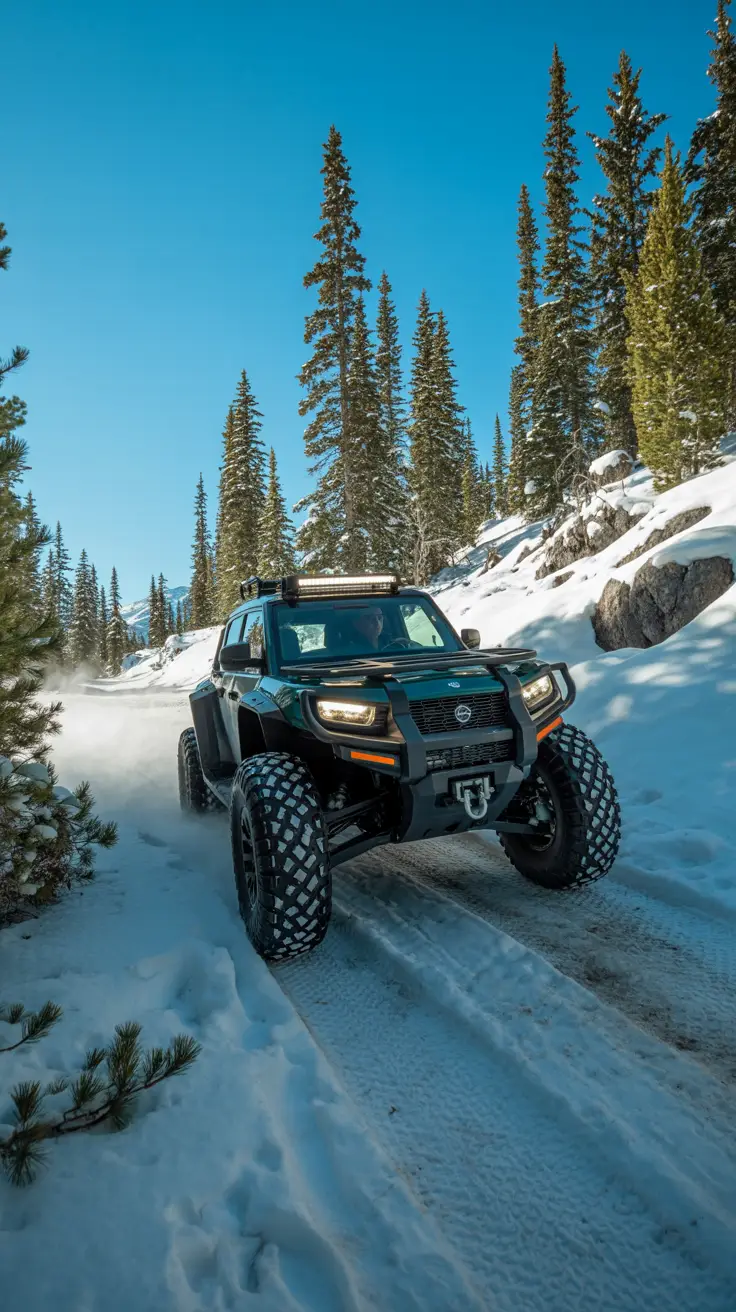
The terrain varies dramatically depending on where you ride. Near Denali, you’re navigating alpine tundra with mountain views. Around Ketchikan shore excursions, you’re in temperate rainforest with tree canopy overhead. The Skagway area offers high-altitude trails with genuine gold rush history mixed in.
Each region has its personality. Interior Alaska tends to be drier with better visibility but more mosquitoes in early season. Coastal regions near cruise ports get more rain but offer that lush, dramatic scenery with waterfalls and thick vegetation pressing in from both sides of the trail.
What They Don’t Tell You in the Brochure
Here’s the truth about ATV tours that most promotional materials gloss over. First, you will get muddy. Not a little dirty – we’re talking mud splattered across your face, inside your boots, and somehow behind your ears. Tour companies provide rain suits, but mud finds a way.
Second, these machines are loud and the ride is bumpy. If you have back problems or recent injuries, talk to your doctor first. The vibration over several hours can be tough on your body. Most people are surprised by how sore their arms and core muscles feel the next day from bracing and steering.
Third, wildlife sightings aren’t guaranteed despite what some tours imply. You might see moose, bears, caribou, or eagles – but you also might just see spectacular scenery and impressive terrain. The animals have their own schedules. If wildlife is your primary goal, consider dedicated fishing excursions or specialized viewing tours.
Insider Tips From Guides and Repeat Visitors
- Wear contact lenses instead of glasses: Glasses fog up constantly with the provided goggles, especially in rain or when crossing water.
- Bring a buff or bandana: Cover your nose and mouth when riding behind others. The dust and mud spray is real.
- Waterproof your phone twice: Put it in a ziplock bag, then put that inside another bag. Water finds ways into “waterproof” cases.
- Book morning tours in coastal areas: Weather tends to be clearer before afternoon clouds roll in.
- Skip breakfast if you’re prone to motion sickness: The combination of bumps, fumes, and excitement can upset sensitive stomachs.
- Tighten everything before you start: Helmet straps, jacket zippers, shoe laces. Things shake loose on the trail.
Combining ATV Tours With Other Activities
Smart planners pair ATV adventures with complementary excursions. Many operators near Juneau offer combination packages where you ride ATVs to a glacier base then switch to kayaking adventures on a glacial lake. Some gold panning experiences are only accessible via ATV trails.
If you’re doing multiple activities, schedule your ATV tour mid-trip rather than the first or last day. You’ll want a day to recover if you’re sore, and you don’t want to start a zipline adventure with tired arms from gripping handlebars.
For families, check out family-friendly shore excursions that might offer gentler ATV options or alternative activities for younger kids who don’t meet the age requirements.
Booking Strategy and Timing
Tour slots fill fast during cruise season, especially for departures that align with ship schedules. Check the comprehensive booking guide for specific timing advice, but generally you want to book 2-3 months ahead for popular dates.
Independent operators often cost less than cruise line offerings and provide smaller group sizes. The tradeoff is that if you’re late returning, the ship won’t wait for you. Cruise-sanctioned excursions guarantee the ship will wait or compensate you, but you’ll pay premium prices.
Weather cancellations happen more than you’d think. Lightning, heavy rain, or flooding can shut down trails. Most reputable operators offer full refunds or reschedules, but read cancellation policies carefully. Some only give partial refunds if you cancel within 48 hours.
Bonus Tips That Save the Day
- Bring a complete change of clothes in your car or back on the ship – shoes, socks, everything. You’ll want them.
- Wear synthetic or wool layers, never cotton. Cotton stays wet and cold all day once it gets soaked.
- Pack hand warmers even in July. High elevation and wind chill make Alaska summer temperatures deceptive.
- Take out your phone halfway through, not at every stop. You’ll enjoy the experience more and still get plenty of photos.
- Tip your guide 15-20% if they did a good job. They’re managing safety for a dozen people on dangerous terrain while sharing knowledge about the area.
- Ask about bathroom facilities before you leave. Some remote trails have no facilities for 3+ hours.
- If you wear prescription glasses, bring a strap to secure them. Losing glasses on a trail miles from anywhere ruins the whole day.
Safety Considerations Nobody Emphasizes Enough
Tour companies do safety briefings, but they rush through them because everyone’s excited to start. Pay attention anyway. Most accidents happen because riders overcorrect on slopes or accelerate too hard through mud and lose control.
The machines are heavier than they look. If one starts to tip, let it go. Don’t try to catch or hold it – that’s how broken wrists and crushed legs happen. The ATV can be righted, your bones can’t.
Stay in formation and don’t try to pass the guide. They’re setting the pace for a reason and they know where soft shoulders and hidden obstacles are. The person who ignores this advice is always the one who gets stuck and delays everyone.
Alternative Perspectives Worth Considering
Not everyone loves ATV tours, and that’s fair. Some visitors find them too noisy and prefer the quiet of scenic railway excursions or the intimacy of cultural heritage tours. Environmental advocates point out that ATVs can damage tundra vegetation and disturb wildlife when used irresponsibly.
If you care deeply about minimizing your environmental impact, ask operators about their trail maintenance practices and whether they follow Leave No Trace principles. Some companies stick to established trails and contribute to conservation efforts, while others are less conscientious.
The noise factor is legitimate. ATVs aren’t quiet, and if you’re hoping for a meditative nature experience, this isn’t it. Consider flightseeing adventures or paddling trips instead.
Common Questions and FAQ
Do I need my own equipment or special clothing?
Tour operators provide helmets and rain gear. You just need long pants, closed-toe shoes with good tread, and layers for warmth. Don’t wear anything you’re not willing to get permanently dirty.
Can two people share one ATV?
Most tours offer both single and double ATVs. Doubles cost less per person but the passenger doesn’t get to drive. If both people want to drive, book two singles or take turns if the tour allows mid-route switches.
What happens if I’ve never driven an ATV before?
Guides provide instruction and practice time before hitting the trails. The controls are simpler than a car – basically throttle, brake, and steering. Most people get comfortable within 10 minutes. Nervous beginners should request a spot near the front of the group where the pace is slower.
Are ATV tours safe for pregnant women?
Most operators don’t allow pregnant riders due to the bumpy terrain and risk of falls. Check specific policies, but plan alternative activities if you’re pregnant or think you might be.
What’s the difference between ATVs and UTVs?
ATVs (all-terrain vehicles) are the classic four-wheelers that you straddle like a motorcycle. UTVs (utility terrain vehicles) have side-by-side seating with a steering wheel and roll cage, more like a small car. UTVs are more stable and better for families or nervous riders, but ATVs are more maneuverable on tight trails.
Can I go off-trail or explore on my own?
On guided tours, absolutely not – you must stay with the group for safety and legal reasons. If you want solo exploration, you’d need to rent an ATV independently and ride only on trails open to public use. Many areas require special permits, and some prime wilderness areas prohibit motorized vehicles entirely.
Personal Experience
Last summer, my friend and I decided to skip the usual tourist stuff in Alaska and signed up for an ATV tour through Denali’s backcountry. Within minutes of leaving the staging area, we were splashing through muddy streams and climbing rocky trails with nothing but wilderness stretching out in every direction. Our guide pointed out fresh moose tracks and explained which trails were open to the public versus permit-only areas. The wind was cold even in July, and I was grateful they’d told us to bring extra layers. We stopped at this incredible overlook where you could see the whole valley below, and honestly, the silence up there was almost as impressive as the view.
Planning an ATV adventure in Alaska is pretty straightforward once you know the basics. Most tour companies provide all the gear and a safety briefing, though if you’re going solo, you’ll need to check local regulations since some areas require permits or have seasonal restrictions. The terrain varies wildly depending on where you go – some trails are beginner-friendly gravel paths, while others involve serious mud, water crossings, and steep climbs. Just make sure you book ahead during peak season and don’t underestimate how much mud you’ll encounter. Seriously, bring clothes you don’t mind destroying. The whole experience gives you this raw, unfiltered taste of Alaska that you just can’t get from the road system.