
Cunard sails ocean liners built for crossing the Atlantic with grand staircases and dress codes. Royal Caribbean builds floating resorts with waterslides and rock climbing walls. Both are excellent at what they do, but they’re aiming at completely different holidays. If you’ve been researching both lines, you’ve probably felt the whiplash.
This guide covers the fundamental differences in ship design, atmosphere, itineraries, dining, dress codes, passenger demographics, and how to choose between traditional ocean liner elegance and modern mega-ship entertainment.
The Core Difference: What You’re Actually Buying
- Cunard sells you the tradition of ocean travel. What makes Cunard different from other lines is its insistence on preserving the rituals of transatlantic crossings, even when sailing to the Caribbean. You’ll find afternoon tea served properly, a planetarium on Queen Mary 2, and passengers who consider formal night an event rather than an inconvenience.
- Royal Caribbean sells you a resort holiday that happens to move. The ship is the destination. You’re not there to contemplate the horizon, you’re there to race down the Ultimate Abyss slide, eat at a dozen different venues, and watch Broadway productions. The sea is somewhat incidental.
- Neither approach is better. They’re just solving different problems. Cunard attracts people who want to slow down. Royal Caribbean attracts people who want more options than any land resort could offer.
Ship Size and Design Philosophy
The scale tells you everything you need to know about priorities.
| Feature | Cunard | Royal Caribbean |
|---|---|---|
| Largest ship capacity | Around 2,700 passengers (Queen Mary 2) | Over 7,000 passengers (Icon class) |
| Public space emphasis | Libraries, ballrooms, promenade decks | Waterparks, zip lines, multiple pool zones |
| Cabin corridor width | Wide, hotel-like | Functional but narrower on older ships |
| Outdoor deck layout | Wrap-around promenade, teak decking | Neighbourhood zones, synthetic surfaces |
| Stabilisers and hull design | Built for Atlantic crossings, stronger hull | Built for Caribbean calm, maximum internal volume |
Queen Mary 2 is the only true ocean liner still in service. Her hull is reinforced for rough North Atlantic weather. She’s taller, narrower, and faster than any Royal Caribbean ship. She was designed to get you across an ocean reliably, not to pack in the maximum number of cabins.
Royal Caribbean’s Oasis and Icon class ships are engineering marvels, but they’re optimised for calm waters and port-intensive itineraries. They’re wide, have multiple “neighbourhoods” stacked vertically, and carry more passengers than some small towns. During the Royal Amplified programme, older ships like Allure of the Seas received significant refits to bring them closer to the standard of newer vessels.
Atmosphere and Passenger Demographics
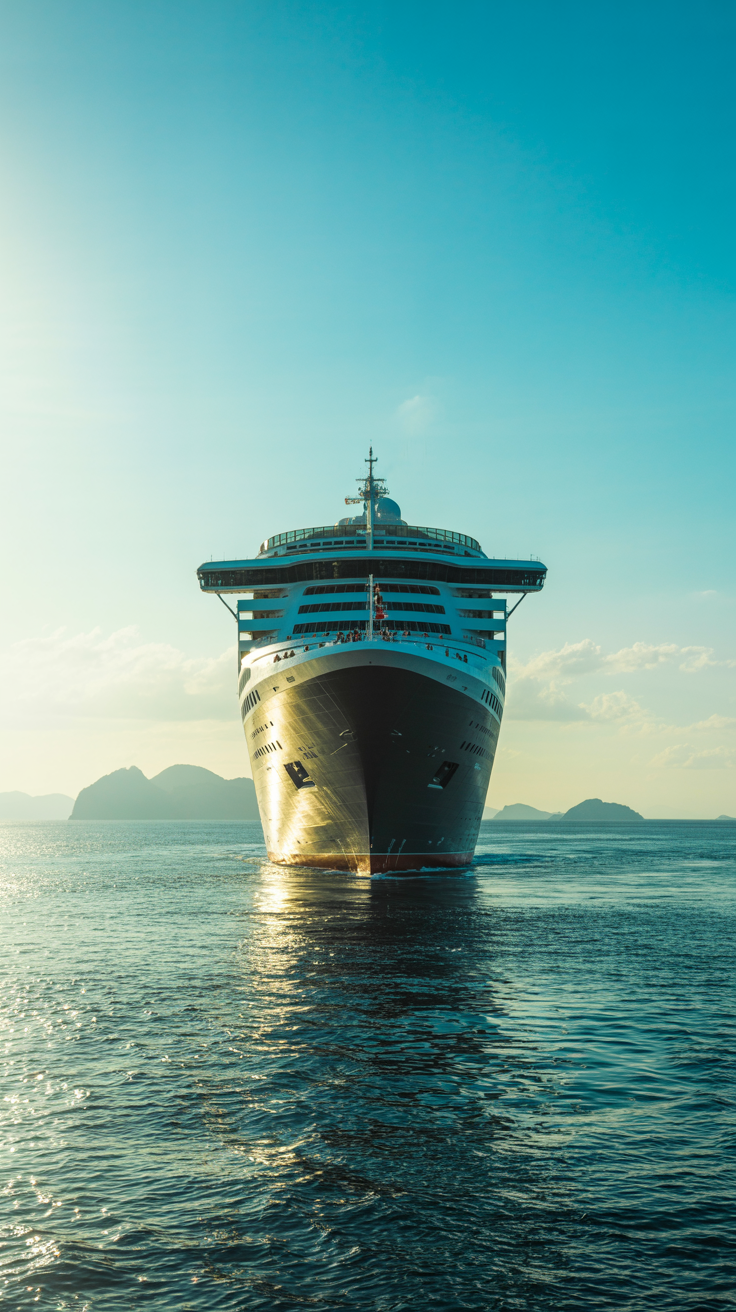
This is where your personal tolerance matters more than any feature list.
Cunard skews older and British. Not exclusively, but noticeably. Expect a high proportion of solo travellers, retirees, and couples who’ve sailed with Cunard for decades. The Queens attract people who remember when crossing the Atlantic meant something, or who wish they did. Children are rare outside school holidays, and even then they’re vastly outnumbered.
Formal nights are observed. Most passengers bring proper eveningwear and actually enjoy dressing up. If you find that tedious or elitist, Cunard will grate on you. If you secretly miss the era when people dressed for dinner, you’ll be delighted.
Royal Caribbean is multi-generational chaos in the best possible sense. You’ll see toddlers, teenagers, parents, and grandparents all on the same sailing. American passengers dominate, though you’ll find plenty of Brits, especially on European sailings. The atmosphere is informal, loud, and relentlessly upbeat. There’s no pretence of exclusivity.
The crowd is there to have fun, not to contemplate maritime heritage. If you want a quiet afternoon with a book, you’ll need to hunt for it. If you want your kids exhausted by bedtime, Royal Caribbean will deliver.
Noise Levels and Personal Space
Cunard ships feel spacious even when full. Public rooms are large, deck space is generous, and there’s an assumption that passengers want room to think. You won’t be fighting for a sun lounger at dawn.
Royal Caribbean ships feel busy. There’s always music playing, always an activity starting, always a crowd somewhere. That’s the point. But if you’re sensitive to noise or need solitude to recharge, the constant hum of activity can be wearing. The best Royal Caribbean cruise experience often depends on knowing where to escape when you need a break.
Dining: Tradition vs Choice
Both lines feed you well, but the philosophy is entirely different.
| Aspect | Cunard | Royal Caribbean |
|---|---|---|
| Main dining approach | Traditional fixed seating or single-seating | My Time Dining (flexible) or traditional |
| Specialty restaurants | 2–3 per ship, classic menus | 8–12 per ship, huge variety |
| Included dining quality | Consistently high, traditional | Good but variable across venues |
| Afternoon tea | Daily, proper service, included | Not a focus, rarely offered |
| Casual dining hours | Limited, structured mealtimes | Almost 24-hour access somewhere |
Cunard treats dining as a ritual. The Britannia Restaurant serves classic menus with formal service. Queens Grill and Princess Grill offer upgraded experiences with more courses, better wines, and personal waiters. The food is French-influenced, prepared well, and presented traditionally. You won’t find molecular gastronomy or fusion experiments.
If you want a burger at 2am, your options are limited. If you want a proper five-course meal with decent wine and tableside service, Cunard delivers better than almost any line at this price point.
Royal Caribbean offers staggering choice. Mainline dining rooms serve competent food, but the real draw is the specialty restaurants: Izumi for sushi, Chops Grille for steak, Giovanni’s Table for Italian, Jamie’s Italian on some ships, Wonderland for experimental cuisine. Most cost extra, but the variety means you’ll find something that suits.
The quality across venues is inconsistent. Some specialty restaurants are excellent, others feel like upcharged mediocrity. But if you’re the sort of family where everyone wants something different, Royal Caribbean solves that problem. Cunard does not.
Itineraries: Crossings vs Ports
This is often the deciding factor.
Cunard still operates regular transatlantic crossings on Queen Mary 2. Proper seven-night Atlantic passages from Southampton to New York with no port stops. These attract a specific type of passenger who views the crossing as the holiday, not an inconvenience between destinations. Queen Mary 2 also operates world voyages, and in recent itineraries has added new routes including a first-time Panama Canal transit on a world voyage. Queen Anne, Queen Elizabeth, and Queen Victoria sail more traditional cruise itineraries, but even their Caribbean or Mediterranean sailings feel less port-intensive than mass-market equivalents.
If you want sea days, proper time on board, and fewer crowds at ports, Cunard’s pacing is ideal. If you get bored without frequent port stops, you’ll find Cunard’s itineraries frustratingly slow.
Royal Caribbean builds itineraries around port calls. Even week-long Caribbean cruises often include four or five stops. The assumption is you want to be busy, you want variety, and you want to be ashore exploring. Longer itineraries exist, but they’re less central to the brand’s identity.
Royal Caribbean also sails to private islands like Perfect Day at CocoCay, which are essentially purpose-built beach clubs with waterparks. Cunard doesn’t do private islands. That tells you everything about priorities.
Dress Codes: How Much Effort Is Required
This matters more than people admit when choosing a cruise line.
Cunard has formal nights, and passengers take them seriously. Gala evenings in the Britannia Restaurant mean black tie or dark suits for men, evening gowns or cocktail dresses for women. Grill passengers have even stricter expectations. During the day, dress codes are enforced: no shorts or flip-flops in the main restaurants at lunch.
If you think dress codes are outdated snobbery, Cunard is the wrong choice. If you think they add structure and occasion to a holiday, you’ll appreciate the effort most passengers make.
Royal Caribbean has “formal nights,” but they’re observed loosely. Plenty of passengers dress up, but plenty don’t. You’ll see suits next to polo shirts in the main dining room on formal night, and no one will stop you. During the day, anything goes almost anywhere except the main dining room at dinner.
The relaxed approach suits families and people who view cruising as a casual holiday. It horrifies people who think standards have slipped.
Ships Worth Knowing About
Cunard’s current fleet:
- Queen Mary 2: The flagship, the only true ocean liner left. Transatlantic crossings and world voyages. Built for rough seas. Carries around 2,700 passengers. Has a proper library, a planetarium, and the largest ballroom at sea.
- Queen Anne: Newest ship in the fleet. Slightly smaller than QM2, sails mixed itineraries including world voyages and Caribbean routes. Maintains Cunard traditions in a more modern design.
- Queen Elizabeth: Classic Cunard ship. Mediterranean and Caribbean focus. Popular with British passengers. More traditional inside than Queen Anne but still comfortable.
- Queen Victoria: Similar to Queen Elizabeth. Mediterranean, Northern Europe, and occasional world voyage sectors. Comfortable rather than cutting-edge.
Royal Caribbean’s notable ships:
- Icon of the Seas and Star of the Seas: Latest Icon class ships. Over 7,000 passengers. Multiple waterparks, dozens of dining venues, enormous. These are the current pinnacle of the mega-ship concept.
- Wonder of the Seas: Largest Oasis-class ship. Eight neighbourhoods, zip line, rock climbing, ice skating, multiple pools. Caribbean based. Absurdly large.
- Symphony of the Seas, Harmony of the Seas: Slightly older Oasis-class ships, still huge. Both received refits under the Royal Amplified programme to add newer venues. Caribbean and European itineraries depending on season.
- Allure of the Seas: Underwent extensive refurbishment as part of Royal Amplified. Now features updated dining concepts and entertainment spaces. Still one of the largest cruise ships afloat.
Pricing and What’s Included
Neither line is cheap, but you’re paying for different things.
Cunard pricing reflects its luxury positioning. Fares include more than typical mass-market lines: full afternoon tea service, white-gloved service in grill restaurants, access to better public spaces. Drinks, specialty dining, and gratuities cost extra unless you’re in a grill suite. Compared to Cunard vs Princess Cruises or Cunard vs P&O, Cunard sits at a higher price point but includes more refinement.
Transatlantic crossings and world voyages cost significantly more per night than short Caribbean cruises, but you’re paying for the experience of crossing oceans properly, not just getting from A to B.
Royal Caribbean has dynamic pricing that fluctuates wildly. Base fares can seem reasonable, but specialty dining, drink packages, internet, and shore excursions add up quickly. On a seven-night cruise, you can easily spend as much again on extras if you’re not careful.
The advantage is flexibility. You can cruise affordably if you stick to included dining and free activities, or you can upgrade selectively. Cunard gives you less choice: the base experience is simply more expensive but more inclusive.
When Cunard Makes Sense
- You want a proper transatlantic crossing: Queen Mary 2 is the only ship still built for this. If the idea of seven nights at sea with no ports appeals, nothing else compares.
- You prefer formal dining and dress codes: Cunard enforces standards most lines have abandoned. If you think cruising has become too casual, Cunard preserves what you’re looking for.
- You value space and quiet: Lower passenger density, larger public rooms, and an older demographic create a calmer atmosphere.
- You want British traditions: Afternoon tea, pub lunches, formal balls. Cunard is unapologetically British in a way that even P&O has diluted.
- You’re travelling solo or as a couple: Cunard has a high proportion of solo travellers and doesn’t feel like a kids’ holiday.
When Royal Caribbean Makes Sense
- You’re travelling with children or teenagers: Royal Caribbean has kids’ clubs, waterparks, and activities that will exhaust even the most energetic child. Cunard has none of this.
- You want dining variety: A dozen restaurants on one ship means everyone in your group can eat what they want.
- You prefer active holidays: Rock climbing, zip lines, surf simulators, ice skating. If sitting still feels like wasted time, Royal Caribbean keeps you moving.
- You want American-style service: Enthusiastic, upbeat, relentlessly positive. Cunard’s service is more reserved and British.
- You prefer port-intensive itineraries: Frequent stops, private islands, short sea days. Royal Caribbean assumes you want to be somewhere new constantly.
The Middle Ground: When Neither Fits
If you’re reading this and thinking both sound slightly wrong, you’re not alone.
Cunard can feel stuffy if you’re not naturally inclined toward formality. Royal Caribbean can feel overwhelming if you prefer calm. There are other lines worth considering that sit between these extremes: Celebrity Cruises offers modern elegance without Cunard’s formality, while Holland America provides a quieter experience without quite as much tradition.
But if you’re specifically weighing Cunard against Royal Caribbean, you’ve probably already identified what you value. Trust that instinct. These lines are designed for different people, and neither is trying to be all things to everyone.
Common Questions
Can you wear jeans on Cunard?
Yes during the day, but not in the main restaurants at dinner. Formal and gala nights require proper eveningwear in grill and Britannia restaurants. Dress codes are enforced more strictly than most contemporary cruise lines.
Do Royal Caribbean ships feel crowded with over 6,000 passengers?
They can, especially around pools and during embarkation. The neighbourhood design helps spread crowds, but popular venues like waterparks and main dining rooms get busy. Early mornings and late evenings are noticeably quieter.
Is Cunard good for first-time cruisers?
Only if you’re comfortable with formality and enjoy slower-paced holidays. First-timers expecting resort-style entertainment and casual dining will find Cunard restrictive. It’s better suited to people who already know they prefer traditional elegance.
How rough is a transatlantic crossing on Queen Mary 2?
The North Atlantic can be rough, especially in autumn and winter. Queen Mary 2 is built to handle it better than any other cruise ship, but expect motion. If you’re prone to seasickness, spring and summer crossings are calmer.
Do Royal Caribbean ships visit the same ports as Cunard?
Sometimes, but Royal Caribbean adds private islands and beach-club style stops that Cunard avoids. Royal Caribbean itineraries are generally more port-intensive with shorter sea days. Cunard’s port selections tend toward classic destinations with historical significance.
Which line has better wifi?
Both charge extra for internet, and both are adequate rather than excellent. Royal Caribbean’s Voom is faster and more reliable than Cunard’s service, but neither matches land-based speeds. Expect to pay similarly high rates on both lines.
Are gratuities included on either line?
No for most Cunard passengers, unless you’re in a grill suite. Royal Caribbean adds automatic daily gratuities to your onboard account, which can be adjusted but are expected. Budget for similar total gratuity costs on both lines.
Can you do a transatlantic crossing on Royal Caribbean?
Yes, repositioning cruises cross the Atlantic twice yearly when ships move between Caribbean and European seasons. These are longer itineraries sold at lower per-night rates, but they’re not marketed as crossings and lack the occasion of a Cunard voyage.
Which line is better for solo travellers?
Cunard has a much higher proportion of solo passengers and dedicated hosting programmes for single travellers. Royal Caribbean caters primarily to families and groups. Solo cabins exist on some Royal Caribbean ships, but the atmosphere heavily favours couples and families.
Why Trust About2Cruise
- I’m Jo. I’ve sailed multiple times on both Cunard and Royal Caribbean, including transatlantic crossings and Caribbean itineraries, to compare how each line delivers on its promises.
- This guide is updated whenever either line launches new ships, changes dining policies, or adjusts itineraries that affect how you’d choose between them.
- We don’t take payment from cruise lines to recommend them. You’ll get the same honest assessment whether a line advertises with us or not. Read more about how we work.