
Alaska cruises require layered clothing for unpredictable weather. Pack moisture-wicking base layers, fleece or wool mid-layers, and waterproof outerwear. Include comfortable walking shoes, waterproof boots, and accessories like hats, gloves, and scarves. Bring casual attire for daytime activities and smart-casual outfits for evening dining. Opt for neutral, mix-and-match pieces to maximize versatility while minimizing luggage.
Quick Facts: Alaska Cruise Packing Essentials
| Category | What to Pack | Why It Matters |
|---|---|---|
| Base Layers | Merino wool or synthetic moisture-wicking tops and bottoms | Regulates temperature and dries quickly |
| Mid-Layers | Fleece jacket, wool sweater, insulated vest | Traps warmth without bulk |
| Outer Layer | Waterproof, windproof jacket with hood | Protects against rain and ocean spray |
| Footwear | Waterproof hiking boots, comfortable walking shoes, dressier shoes | Handles wet terrain and varied activities |
| Accessories | Beanie, gloves, neck gaiter, sunglasses, sunscreen | Protects extremities and eyes from elements |
| Evening Wear | Smart-casual outfits, one semi-formal option | Meets dining dress codes comfortably |
Want to know more about exploring Alaska by cruise ship and choosing the right itinerary? Understanding your route helps you pack more effectively for the specific ports and excursions you’ll experience.
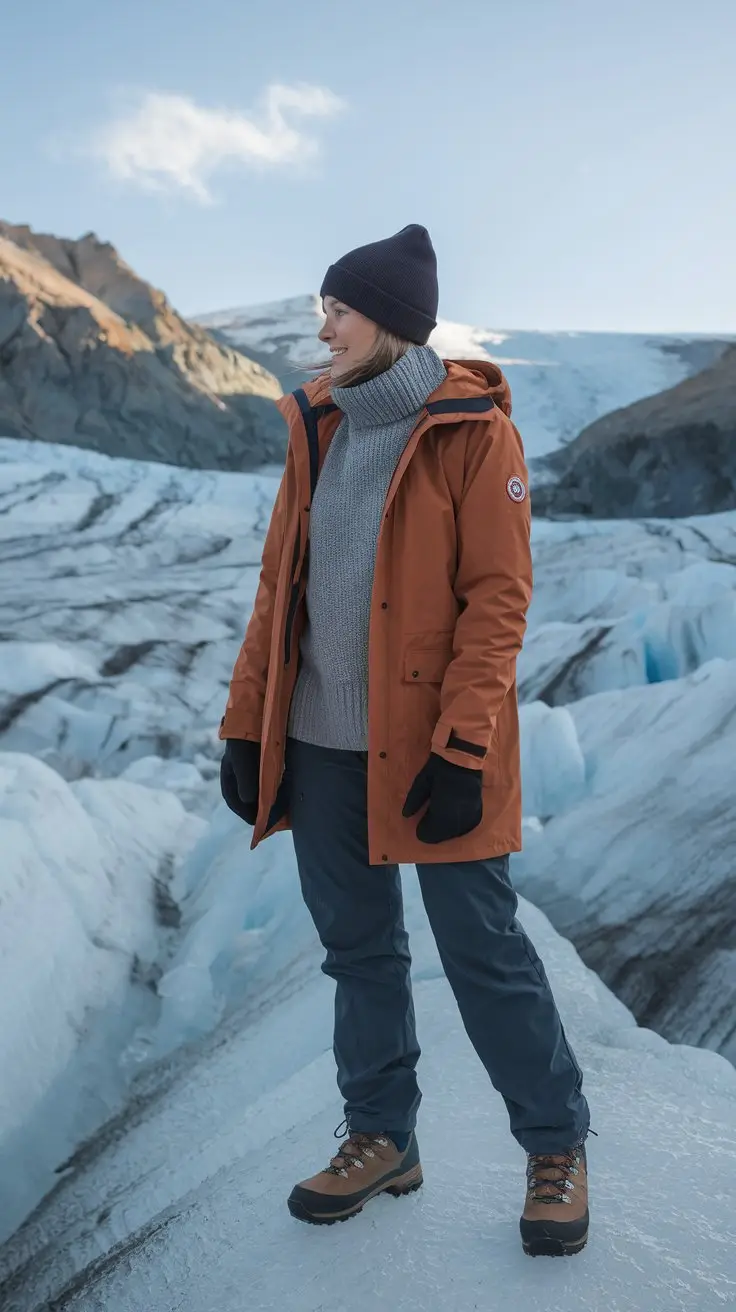
Understanding Alaska’s Unique Climate Challenges
Alaska’s weather operates on its own schedule and ignoring this fact is the fastest way to end up miserable on what should be an amazing trip. Temperatures can swing 20-30 degrees in a single day, and rain can appear out of nowhere even when the morning looked perfectly clear. The Inside Passage creates its own microclimate with frequent mist and drizzle while glacier viewing means exposure to cold winds coming off ancient ice.
Here’s what catches most first-timers off guard: the sun barely sets during summer months which tricks your body into thinking it’s warmer than it actually is. You’ll be out on deck at 9 PM in full daylight watching for whales and suddenly realize you’re freezing because the temperature dropped significantly. This is why checking out comprehensive Alaska cruise planning resources before your trip saves you from packing mistakes.
The Foundation: Building Your Layering System
The layering system isn’t just cruise-industry jargon – it’s actually how Alaskans dress year-round. Think of it as building an outfit like you’d build a sandwich, where each layer has a specific job.
Base Layer Secrets
Your base layer sits against your skin and its job is moisture management. Cotton is your enemy here because it absorbs sweat and stays wet, leaving you cold and clammy. Instead, invest in:
- Merino wool tops and bottoms (naturally odor-resistant so you can wear them multiple days)
- Synthetic moisture-wicking materials like polyester or nylon blends
- Long-sleeve options even if you’re cruising in the warmest months
- Lightweight thermal leggings that fit under pants without adding bulk
Quality merino wool base layers for women and merino wool base layers for men provide natural temperature regulation and odour resistance that synthetic alternatives can’t match.
Pro tip: merino wool feels luxurious and doesn’t get stinky like synthetic fabrics can after a few wears. Yes, it costs more upfront but you’ll use it for years beyond this one cruise.
Mid-Layer Strategy
This layer traps warm air and provides insulation. The beauty of mid-layers is their versatility – you can mix and match depending on the day’s activities:
- Lightweight jacket for women or lightweight jacket for men (packs small)
- Wool or cashmere sweater (dressier option for evenings)
- Insulated vest (keeps core warm while allowing arm mobility)
- Lightweight down or synthetic puffer (compresses well in luggage)
Stick with neutral colors like navy, gray, black or olive so everything coordinates. Nobody’s judging if you wear the same fleece three days in a row with different base layers.
Outer Layer Must-Haves
Your outer layer is the shield against wind, rain and ocean spray. This is where you should spend the most money because a quality waterproof jacket makes or breaks your comfort level during Alaska shore excursions and outdoor activities.
- Look for jackets labeled “waterproof” not just “water-resistant”
- Hood is non-negotiable (preferably adjustable)
- Pit zips or ventilation for when you warm up during active excursions
- Pockets that close securely for storing phone and wallet
- Length that covers your hips at minimum
A proper packable rain jacket with sealed seams and adjustable hood protects you from Alaska’s unpredictable weather. This isn’t the place to cut corners with fashion over function.
Monthly Outfit Considerations

Alaska’s cruise season runs from late spring through early fall and each month brings distinct weather patterns. Knowing what to expect helps you pack smarter, take a look at our 20 Alaska cruise outfits ideas for inspiration.
For those cruising in late spring, May Alaska outfit recommendations focus on heavier layers since temperatures hover in the 40s-50s with frequent rain. As summer approaches, June outfit suggestions for Alaska cruises lighten up slightly though you’ll still need all three layers available.
The warmest months require different considerations – July Alaska cruise outfit ideas and August Alaska cruise clothing recommendations allow for lighter mid-layers but you absolutely still need that waterproof jacket. As the season winds down, September Alaska cruise outfits shift back toward warmer layering as temperatures start dropping and days get noticeably shorter.
Gender-Specific Outfit Planning
While layering principles apply to everyone, the execution differs based on personal style and available clothing options. Women often have more flexibility in mixing casual and dressier pieces while men typically need a simpler approach to keep packing manageable.
For detailed guidance, check out women’s Alaska cruise outfit ideas which cover everything from functional hiking wear to elegant dining options. The men’s Alaska cruise outfit guide focuses on versatile pieces that work for multiple occasions without overpacking.
And if you want inspiration beyond Alaska specifically, browse comprehensive cruise outfit ideas for women and cruise outfit ideas for men that translate well to Alaskan conditions with proper layering adjustments.
Footwear: The Make-or-Break Decision
Your feet will make or break this trip. You’ll be walking significantly more than you think between exploring Alaska cruise ports, navigating the ship and participating in excursions. Here’s what actually works:
Essential Shoes to Pack
- Waterproof hiking boots or shoes: Broken in before the trip (blisters on a cruise are miserable). Look for good tread since docks and trails get slippery.
- Comfortable walking shoes: A second pair lets you rotate and gives wet shoes time to dry. Canvas or mesh styles dry faster than leather.
- Casual dressier shoes: For dining and evening activities. Women can bring flats or low wedges; men need closed-toe shoes at minimum.
- Water-friendly sandals: For the hot tub, pool area or cabin (ship floors get cold).
Skip: High heels that you’ll wear once and regret the whole time. Fancy shoes that can’t handle wet conditions. Brand new boots that haven’t been tested.
Accessories That Actually Matter
Accessories aren’t just about style – they’re functional necessities in Alaska’s climate. Many cruisers underestimate how much difference the right accessories make when you’re out watching Alaska’s incredible wildlife in less-than-ideal weather.
Cold Weather Accessories
- Warm beanie or fleece headband: You lose significant heat through your head
- Touchscreen-compatible gloves: Lightweight liner gloves let you use your phone while keeping fingers warm
- Neck gaiter or scarf: More versatile than a scarf since it won’t blow off in wind
- Merino wool socks: Pack extras since wet socks are utterly miserable
Sun and Eye Protection
Yes, you need sunscreen in Alaska. The sun reflects off water and glaciers, intensifying UV exposure even on cloudy days.
- Polarised sunglasses for women or polarised sunglasses for men: Reduces glare off water and helps spot wildlife
- Reef-safe SPF 50 sunscreen: Protects skin while being environmentally responsible
- Lip balm with SPF: Lips burn easily and painfully in reflected sunlight
- Baseball cap or sun hat: Adds another layer of face protection
Onboard Dress Codes Demystified
Cruise ship dress codes feel intimidating but Alaska cruises tend to be more relaxed than Caribbean sailings. Still, different Alaska cruise lines have varying expectations so check your specific cruise’s guidelines.
Daytime Casual
Anything goes during the day: jeans, leggings, casual tops, athletic wear, shorts when weather permits. You’ll see everything from fancy athleisure to decades-old sweatshirts. Comfort wins during sea days and port visits.
Evening Dining Expectations
Most Alaska cruises have “smart casual” as the standard evening dress code with one or two formal or semi-formal nights depending on cruise length.
Smart Casual means:
- Women: Nice jeans or slacks with a blouse, casual dress, skirt with sweater
- Men: Collared shirt with pants (jeans usually acceptable), optional sport coat
Formal/Semi-Formal nights mean:
- Women: Cocktail dress, dressy pantsuit, nice skirt and top
- Men: Suit or sport coat with tie, dress pants and button-down at minimum
Reality check: Plenty of people skip formal nights or dress them down. Many ships have alternative casual dining venues if you don’t want to dress up. Don’t buy a whole new wardrobe just for one or two dinners.
Excursion-Specific Outfit Planning
Your outfit needs vary dramatically based on which excursions you’ve booked. A helicopter glacier landing requires different gear than a downtown Juneau walking tour.
Active Adventure Excursions
Hiking, kayaking, zip-lining and similar activities demand functional clothing:
- Moisture-wicking everything (you’ll work up a sweat despite cool temps)
- Pants not shorts (protection from scratches and bugs)
- Broken-in hiking boots with ankle support
- Lightweight daypack for layers you’ll inevitably remove
- Gloves that work when wet if kayaking
Glacier Viewing and Boat Tours
Standing still on a boat watching glaciers means you get cold fast:
- All three layers including your warmest options
- Wind protection is critical (glacier winds are bitter)
- Hand and toe warmers tucked in pockets and boots
- Waterproof pants if provided or rain pants over regular pants
Town Exploration Days
Port days exploring shops and restaurants are more relaxed:
- Comfortable walking shoes (you’ll cover miles of pavement)
- Lighter layering since you’re ducking in and out of heated shops
- Anti-theft crossbody bag or secure backpack for purchases and essentials
- Waterproof jacket always accessible
When planning your activities, understanding your Alaska cruise departure port helps you decide what to wear for embarkation day and what to pack in carry-on versus checked luggage.
Packing Strategy and Luggage Tips
Efficient packing means bringing enough variety without checking multiple bags. For more general guidance applicable to different regions, explore these comprehensive outfit ideas for Alaska that can be adapted to your specific needs.
Consider quality cruise luggage designed to withstand the rigours of ship travel and multiple port stops.
Mix and Match System
Build your cruise wardrobe around 2-3 neutral colors that all coordinate:
- Choose base colors like black, navy, gray or olive
- Add one accent color if desired (burgundy, teal, mustard)
- Every bottom should work with every top
- Accessories change up looks without taking luggage space
Sample Week-Long Packing List
Bottoms:
- 2 pairs hiking/outdoor pants
- 1 pair jeans or casual pants
- 1 dressier pant or skirt
- 1 pair leggings (layer under pants or wear casually)
Tops:
- 3-4 long-sleeve base layer shirts
- 2-3 casual tops for layering
- 2 nicer tops for evening
- 1 dress or button-down shirt for formal night
Layers and Outerwear:
- 1 fleece jacket
- 1 insulated vest or light puffy
- 1 wool or casual sweater
- 1 waterproof jacket
- 1 dressier cardigan or blazer
Undergarments and Socks:
- Enough underwear for the trip plus 2 extra
- 4-5 pairs wool or synthetic socks
- 2 pairs warmer socks for cold excursions
Packing Hacks
- Roll clothes instead of folding to save space and reduce wrinkles
- Stuff socks and small items inside shoes
- Wear your bulkiest items during travel days
- Pack a small bottle of wrinkle-release spray
- Bring one empty stuff sack for dirty laundry
- Use packing cubes to compress and organise by category
What Not to Pack
Knowing what to leave home is just as important as knowing what to bring:
- Cotton everything: Takes forever to dry and leaves you cold when damp
- Excessive formal wear: You’ll wear it once maximum
- White or light colors: Ships and ports are dirty; dark colors hide stains
- Umbrella: Useless in wind; your jacket hood works better
- Hair dryer and full-size toiletries: Cabins provide hair dryers and you can buy toiletries onboard
- Valuable jewelry: You won’t wear it and risk losing it
- More than two pairs of shoes beyond the essentials: They take up too much space
Special Considerations and Insider Tips
These details separate cruise veterans from first-timers and can significantly improve your experience.
Laundry Options
Most cruise ships offer laundry services (expensive) and self-service laundromats (more affordable). Pack travel-size detergent packets if you plan to do laundry, which lets you pack fewer clothes. Hand-washing moisture-wicking base layers in your cabin sink works surprisingly well – they dry overnight.
Cabin Climate Control
Cabins can get warm while ships are heated and closed balcony doors trap air. Pack lightweight pajamas or sleepwear even though you’re cruising to Alaska. Conversely, balcony cabins with doors open can get chilly at night.
Binocular and Camera Considerations
Keeping electronics warm and dry requires planning. Waterproof camera case or ziplock bags protect phones and cameras during excursions. Neck straps for binoculars and cameras prevent accidental drops overboard (it happens more than you’d think). Cold temperatures drain batteries faster so bring extras and keep spares in inner jacket pockets where body heat maintains charge.
Shopping Onboard and in Port
Forgot something or didn’t pack enough? Ships stock essentials in their shops but at inflated prices. Port towns like Ketchikan and Juneau have outdoor gear stores where you can buy quality items at reasonable prices. This actually works in your favor – if you’re unsure about something pack light and buy it there if needed.
Don’t overlook the options available through organized Alaska cruise tours and extended land packages which may require different clothing considerations for pre or post-cruise stays.
Bonus Tips That Make a Difference
- Pack a small dry bag: Invaluable for keeping phones and wallets dry during water-based excursions or rainy port days
- Bring hand warmers: Disposable heat packs are cheap, lightweight and make glacier viewing infinitely more comfortable
- Pack a swimsuit: Ships have hot tubs and heated pools; soaking after a long excursion day feels amazing
- Include a headlamp or small flashlight: Useful for early morning excursions or navigating dark cabin areas without waking roommates
- Bring reusable water bottles: Staying hydrated matters and ships have water stations throughout; insulated bottles keep water cold during excursions
- Pack motion sickness remedies: Even calm Alaska waters can cause issues; having medication prevents misery
- Bring a power strip: Cabins never have enough outlets for all your devices
- Include gallon-size ziplock bags: Perfect for wet clothes, toiletries, organizing small items
- Pack a small notebook or journal: You’ll want to remember which glacier or town was which when you get home
Comparing Your Cruise Options
Different itineraries and cruise styles affect what you should pack. Researching Alaska cruise comparisons between different routes and options helps you understand whether your specific cruise will be more formal or casual, adventurous or relaxed. Similarly, reviewing practical Alaska cruise information and looking into specialty Alaska cruise experiences gives you better context for outfit planning.
Common Questions and FAQ
Should I pack differently for an inside cabin versus a balcony cabin?
Not significantly for clothing purposes but balcony cabins give you private outdoor space to step out in casual clothes for wildlife spotting without getting fully dressed. Inside cabin passengers need to be dressed appropriately whenever heading to public deck spaces. Either way, your excursion and evening clothing remains the same.
How fancy do formal nights really get on Alaska cruises?
Alaska cruises are noticeably less formal than Caribbean or Mediterranean sailings. You’ll see everything from full suits and cocktail dresses to people who completely skip formal nights. Luxury cruise lines maintain stricter standards while mainstream and budget lines are very relaxed. When in doubt, smart casual with a dressy touch works perfectly.
Can I rent outdoor gear instead of packing it?
Some excursion operators provide specialized gear like waders for fishing trips or helmets for zip-lining but you can’t count on them providing everyday items like rain jackets or boots. Certain ports have rental shops for camping equipment and extreme gear but this isn’t practical for a cruise. Better to bring your own basics and rent only specialty items if needed.
What should I wear on embarkation day?
Dress comfortably for travel in layers since you’ll transition between outside weather and climate-controlled terminals and ships. Wear comfortable walking shoes since embarkation involves standing in lines and walking long corridors. Keep a light jacket accessible. Your cabin may not be ready immediately so keep essentials in your carry-on including any medications and a change of clothes if desired.
Do I need different outfits for different ports?
Not necessarily different outfits but consider the planned activities. A day in Skagway might involve hiking to a waterfall while a day in Ketchikan could be downtown shopping. Check your itinerary and plan accordingly but your core layering system works for all ports with minor adjustments.
How do I keep my clothes from smelling musty in my cabin?
Cabins are small and humidity from bathrooms affects everything. Hang damp clothes immediately in the bathroom with the vent fan running. Use the provided closet space rather than leaving clothes in suitcases. Bring fabric refresher spray or dryer sheets to tuck in drawers. Most importantly, choose moisture-wicking fabrics over cotton which holds odors when damp.
Should I pack for colder weather than forecasted?
Absolutely. Weather forecasts for Alaska are unreliable and conditions change rapidly. Glacier areas create their own cold zones regardless of the overall forecast. It’s far better to have warm layers you don’t use than to be miserably cold. You can always remove layers but you can’t add what you didn’t pack.
What’s the biggest packing mistake first-time Alaska cruisers make?
Underpacking warm layers because they think “summer cruise” means warm weather. Alaska in summer is not Caribbean in winter. The second biggest mistake is bringing only cotton clothing which leaves people cold and uncomfortable when anything gets damp. Third is packing new boots they haven’t broken in, resulting in painful blisters during excursions.
Personal Experience
Planning outfits for my Alaska cruise felt overwhelming at first – how do you pack for glaciers AND formal dinners? But once I got the hang of layering, everything clicked. I packed plenty of moisture-wicking base layers, a really good waterproof jacket, and comfortable hiking boots that I broke in weeks before the trip. For the ship, I brought a couple of nice casual outfits for dinner and one dressier outfit for formal night. Honestly, most people weren’t as dressed up as I expected, so don’t stress too much about fancy clothes.
The key thing I learned is that Alaska weather is unpredictable, even in summer. During our whale watching excursion, it started sunny and ended up misty and cold within an hour. My fleece and waterproof layers saved me while others were shivering in just sweatshirts. For port days, I stuck with dark jeans or hiking pants that could handle a little rain, paired with breathable long-sleeve shirts. And here’s a tip: bring a small backpack for excursions to stash extra layers, because you’ll definitely be peeling things on and off throughout the day. The whole “dress in layers” advice sounds cliché, but it’s absolutely the way to go for an Alaskan cruise.