
Alaska cruise ship fishing excursions offer passengers opportunities to catch salmon, halibut, and other species during port stops in towns like Ketchikan, Juneau, and Sitka. These guided trips typically last 4-6 hours and include equipment, bait, fishing licenses, and expert local guides. Most ships can arrange filleting and freezing of your catch for travel home.
Quick Facts About Alaska Fishing Excursions
| Detail | Information |
|---|---|
| Typical Duration | 4-6 hours (perfectly timed for port stops) |
| Cost Range | $200-$400 per person |
| Common Catches | King salmon, halibut, coho salmon, rockfish |
| Best Ports | Ketchikan, Sitka, Juneau, Seward |
| What’s Included | Rods, reels, bait, tackle, fishing license, rain gear |
| Seasickness Risk | Low to moderate (protected waters) |
| Skill Level Required | None – guides help with everything |
Want to know more about Alaska shore excursions and planning your adventure-packed itinerary?
Choosing the Right Fishing Excursion
Not all fishing trips are created equal, and the port you’re in makes a huge difference. Each Alaska cruise stop offers distinct fishing opportunities based on local waters and fish migration patterns.
Best Ports for Specific Fish
- Ketchikan: Known as the “Salmon Capital of the World” for good reason. King salmon dominate in late spring and early summer, while coho salmon run later. The protected waters around Ketchikan rarely get rough, which is a blessing if you’re prone to seasickness.
- Sitka: Offers incredible saltwater fishing with less boat traffic than Ketchikan. Halibut fishing here is exceptional, and you might also land some impressive lingcod.
- Juneau: Great for combination trips where you can fish and also spot whales and other wildlife. The nearby waters produce excellent king salmon and halibut.
- Seward: If your cruise includes this port, jump on it. The halibut fishing in Resurrection Bay is legendary, with fish regularly exceeding 100 pounds.
Check out the best shore excursions in Ketchikan and the best shore excursions in Sitka to compare fishing with other activities available at these ports.
What to Expect on Your Fishing Trip
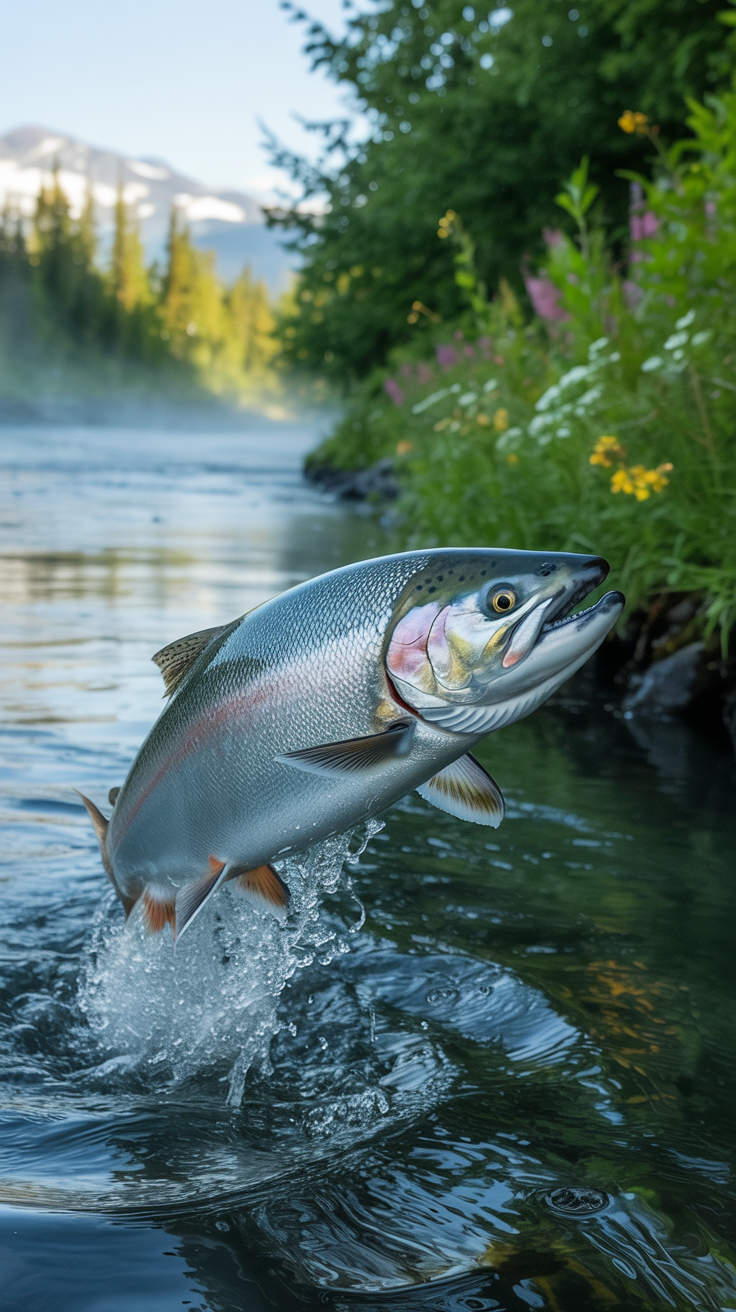
Here’s the honest truth: fishing excursions are exciting but also involve standing for hours, sometimes in cold drizzle, waiting for fish to bite. That said, the guides are absolutely worth their weight in gold (or salmon). These folks know exactly where the fish are hanging out and will move spots if the action is slow.
The Typical Timeline
- Meet your guide at a designated spot near the cruise dock (usually a 5-10 minute walk)
- Get fitted with rain gear and receive a quick safety briefing
- Board the charter boat (usually accommodating 6-12 passengers)
- Travel 15-45 minutes to the fishing grounds
- Fish for 2-4 hours depending on your package
- Return to port with time to spare before the ship departs
The guides handle the complicated stuff like baiting hooks, unhooking fish, and netting your catch. You just reel them in and enjoy the bragging rights.
Understanding Alaska’s Fishing Seasons and Species
Timing matters enormously in Alaska fishing. The salmon runs follow predictable patterns throughout the summer, and knowing what’s biting when can help you set realistic expectations.
Species by Season
- King Salmon (Chinook): Peak from mid-May through June. These are the trophy fish everyone wants – they can weigh 20-50 pounds or more.
- Coho Salmon (Silver): July through September. Smaller than kings but absolutely ferocious fighters that’ll give you a workout.
- Pink Salmon: Late July and August. The most abundant salmon and great for beginners.
- Halibut: Available May through September. These bottom-dwellers can reach enormous sizes and provide delicious white meat.
- Rockfish: Available year-round but best in summer. Often caught while halibut fishing.
The Reality of Getting Your Fish Home
Catching a 30-pound salmon is thrilling until you realize you’re on a cruise ship for another week. Here’s how the fish processing actually works, and spoiler alert: it’s easier than you think.
Processing Options
- Ship Processing: Most cruise lines have arrangements with local processors. Your captain delivers the fish to the processor, who fillets, vacuum-seals, and freezes it. The processor then delivers it to your ship.
- Direct Shipping: Many charter companies partner with shipping services that’ll send your catch directly home. This costs extra ($50-150 depending on weight and distance) but eliminates hassle.
- Checked Luggage: If you’re flying home soon after the cruise, you can pack frozen fish in a cooler and check it as luggage. Most airlines allow this, but confirm their specific policies.
One thing nobody tells you: you’ll pay processing fees of roughly $1-2 per pound. Factor this into your budget because a successful fishing trip can add $50-100 to your overall cost.
Booking Strategy: Ship vs. Independent Charters
You’ll face this decision with every shore excursion, and fishing trips are no exception. The cruise line’s official excursions cost more but offer guaranteed return and ship protection. Independent charters are cheaper and often more personalized.
Cruise Line Excursions
- Pros: Ship waits if you’re delayed, vetted operators, easy booking process
- Cons: 20-40% more expensive, larger groups, less flexibility
- Best for: First-time cruisers, those anxious about timing, families with kids
Independent Charter Operators
- Pros: Better prices, smaller groups, more personalized attention, choice of specific boats and captains
- Cons: Ship won’t wait if you’re late, you assume all timing risk, requires more research
- Best for: Experienced cruisers, serious anglers, budget-conscious travelers
For detailed guidance on making this choice, check out the Alaska shore excursions booking guide which covers the pros and cons of each approach.
Weather Considerations and What to Wear
Alaska weather is famously unpredictable. You might leave the ship in sunshine and return in sideways rain. Most charter operators provide rain gear, but quality varies dramatically.
Essential Items to Bring
- Layered clothing (it’s often colder on the water than in port)
- Waterproof jacket even if they provide rain gear
- Sunglasses with a strap (yes, you need sun protection even on cloudy days)
- Seasickness medication taken 30 minutes before departure
- Warm hat and gloves (seriously, even in July)
- Your own gloves for handling fish if you’re squeamish
- Snacks and water (not all boats provide these)
The Alaska shore excursions weather guide offers comprehensive advice on preparing for unpredictable conditions across all activities.
Lesser-Known Tips That’ll Make You Look Like a Pro
Insider Secrets
- Ask about the catch report: Charter captains track daily catches. If they’re not catching much of your target species, consider switching to a different trip or port.
- Morning trips often produce better: Fish are more active in morning hours, plus you’ll have afternoon free to explore the port.
- Tip your captain and deckhand: 15-20% is standard if you had a good experience and caught fish. These folks work incredibly hard.
- Request specific fish: If you prefer eating halibut over salmon, tell your captain. They’ll adjust tactics accordingly.
- Bring a GoPro or waterproof phone case: Charter boats rarely have photographers, and you’ll want to capture the moment you land a big one.
- The “combat fishing” myth: Some worry Alaska fishing means standing elbow-to-elbow with other anglers. Charter boats space out and find their own spots – it’s rarely crowded.
Alternative Options If Fishing Isn’t Your Thing
Maybe you’re the only fishing enthusiast in your travel group, or perhaps you’d rather experience Alaska’s other incredible offerings. The good news is that most ports offer diverse excursions that can be combined or done while your partner is out fishing.
Consider these alternatives or additions to your itinerary:
- Helicopter tours that land on glaciers for an unforgettable aerial perspective
- Dog sledding experiences where you’ll meet actual Iditarod mushers and their teams
- Kayaking excursions through calm waters surrounded by wildlife
- ATV adventures exploring backcountry trails
- Scenic railway excursions through mountain passes
- Gold panning experiences at historic mining sites
- Zipline adventures through the rainforest canopy
- Cultural excursions learning about Native Alaskan traditions
- Hiking excursions on trails with spectacular views
- Flightseeing tours over glaciers and fjords
Bonus Tips You Didn’t Know You Needed
- The “fish box” secret: Bring a small soft cooler in your checked luggage. If you decide to keep some fish on the ship, you can store it in your cabin’s mini-fridge and avoid all processing fees.
- Photography angles: Have someone photograph you holding the fish close to the camera for that classic “giant catch” perspective. Hold it at arm’s length toward the camera, not close to your body.
- Catch limits are real: Alaska strictly enforces fishing regulations. Your captain tracks everything, but know that you can’t keep unlimited fish. Typically it’s 1-2 salmon per person depending on species.
- The cleaning station show: Many ports have public fish cleaning stations where commercial fishermen work. It’s free entertainment and educational if you have time before departure.
- Rod etiquette matters: If you hook a fish, announce “fish on!” so others can reel in and avoid tangles. The crew will appreciate your awareness.
- Seas-Bands work: These acupressure wristbands actually help many people with seasickness without medication side effects.
- Download offline maps: Cell service is spotty. Save meeting location details and maps offline before leaving the ship.
- The “hero shot” timing: When you catch a big fish, get photos immediately while it’s still lively and colorful. Fish lose their vibrant colors quickly after being caught.
Cost Breakdown: What You’ll Actually Spend
Transparency matters when budgeting for your cruise. Here’s the real cost breakdown most people don’t realize until they’re already committed:
| Expense | Typical Cost |
|---|---|
| Charter Fee (per person) | $200-$400 |
| Processing/Filleting | $1-2 per pound |
| Freezing/Vacuum Sealing | $20-40 |
| Shipping to Home (optional) | $50-150 |
| Captain/Deckhand Gratuity | $40-80 |
| Total for Successful Trip | $310-$670+ |
Yes, it’s expensive. But consider that quality Alaska salmon costs $25-35 per pound at fish markets. If you catch and keep 20 pounds of fish, you’re getting premium seafood at a reasonable price while having an adventure you’ll remember forever.
When Fishing Excursions Aren’t Worth It
Let’s be honest: fishing isn’t for everyone, and sometimes conditions make it a poor choice. Skip the fishing excursion if:
- You’re highly prone to seasickness and medication doesn’t help
- Your port stop is only 4-5 hours (too rushed)
- You have zero interest in eating fish or taking it home
- The weather forecast shows small craft advisories or gale warnings
- You’re in port during the absolute beginning or end of the season when fish are scarce
- You have mobility issues that make boarding small boats dangerous
Common Questions and FAQ
What happens if nobody on the boat catches anything?
Most reputable charters don’t offer refunds for unsuccessful trips because they’ve provided the service, fuel, and expertise. However, captains hate getting skunked and will work incredibly hard to put you on fish. If the fishing is genuinely terrible, some operators might offer a partial credit toward another trip. Always ask about their policy before booking.
Can children go on fishing excursions?
Absolutely, and many kids love it. Most charters welcome children ages 5 and up, though some have age minimums of 8-10. Younger kids often catch more fish than adults because they’re less impatient and follow instructions better. That said, be realistic about your child’s attention span and ability to stay still for extended periods.
Do I need any fishing experience?
None whatsoever. The crew handles all the technical aspects including baiting hooks, setting the drag on reels, and netting fish. Your job is literally just to hold the rod and reel when they tell you. People who’ve never held a fishing rod catch impressive fish on these trips regularly.
What if I get seasick?
Take medication before you leave the ship, not after you start feeling queasy. Most Alaska fishing happens in relatively protected waters, so it’s much calmer than open ocean. If you do feel sick, tell the crew immediately – they’ve seen it a thousand times and won’t judge. Sometimes just focusing on the horizon helps, and being at the back of the boat where there’s more fresh air makes a difference.
Are fishing excursions wheelchair accessible?
This varies dramatically by boat and operator. Some larger charter boats have wheelchair accessibility and can accommodate passengers with limited mobility. However, many smaller boats require stepping down into the vessel and standing for extended periods. Always call the operator directly to discuss specific accessibility needs rather than relying on general descriptions.
How cold is it on the water?
Generally 5-15 degrees cooler than on shore, with wind making it feel even chillier. Even on warm summer days when it’s 65°F in port, it might feel like 50°F on the water. Layer up more than seems necessary – you can always remove layers but can’t add what you didn’t bring.
What’s the limit on how much fish I can keep?
Alaska has strict but reasonable limits that vary by species and location. Typically you’re allowed 1-2 salmon per day depending on the type, and usually 1-2 halibut. Your captain knows the exact regulations and ensures everyone stays legal. Don’t worry about memorizing rules – just follow your guide’s instructions.
Can I catch and release if I don’t want to keep the fish?
Yes, though some captains get slightly annoyed because the whole point is harvesting fish. If you want a pure sport fishing experience without keeping anything, mention this when booking so they can accommodate your preference. Some species must be kept once caught due to regulations, so discuss this beforehand.
Personal Experience
Last summer, our cruise stopped in Ketchikan, and I figured it was the perfect chance to try an Alaska fishing excursion. I’d heard the salmon runs were incredible, but I wasn’t sure how it would work with our limited port time. Turns out, most fishing charters are set up specifically for cruise passengers – they know exactly when ships dock and when you need to be back. We booked a half-day trip targeting king salmon and halibut, and the captain had us on the water within 30 minutes of meeting at the dock. The whole experience was timed perfectly, and we actually caught fish, which honestly surprised me since I’m not exactly an expert angler.
What really helped was doing some research beforehand about which ports had the best options. Ketchikan and Sitka are known for their salmon fishing, while Seward offers amazing halibut trips if your cruise includes that stop. The outfitters provide all the gear and fishing licenses, so you literally just show up. One tip I wish I’d known earlier: book your excursion as soon as possible because the good charters fill up fast, especially during peak summer months. Also, ask about fish processing services – many companies will vacuum-seal and ship your catch home, which means you can actually enjoy fresh Alaska salmon weeks after your trip ends.