
Alaska cruise wildlife viewing offers exceptional opportunities to spot humpback whales, orcas, sea otters, bald eagles, brown bears, and glacial seals from ship decks and shore excursions. Prime viewing locations include Glacier Bay, Inside Passage, and Kenai Fjords. Binoculars, cameras with zoom lenses, and layered clothing enhance the experience year-round.
Quick Facts: Alaska Cruise Wildlife Viewing
| Category | Details |
|---|---|
| Best Time for Wildlife | May through September |
| Essential Gear | Binoculars (8×42 or 10×42), telephoto lens (200mm+), layered clothing |
| Top Viewing Locations | Glacier Bay, Icy Strait Point, Tracy Arm, Hubbard Glacier |
| Most Common Sightings | Bald eagles, sea otters, harbor seals, humpback whales |
| Rarest Sightings | Spirit bears, wolf packs, sea lions in large groups |
| Viewing Distance from Ship | 100 feet to 2 miles (bring good optics) |
Want to know more about Alaska wildlife viewing opportunities and species?
Which Side of the Ship Is Best?
The port versus starboard debate keeps cruise forums buzzing but here’s the truth: it depends on your itinerary direction. Northbound cruises generally favor starboard (right side) for coastal views while southbound routes give port (left side) passengers the advantage. That said, your ship will rotate and maneuver throughout the journey, so obsessing over cabin location isn’t worth the premium price difference.
The real insider move? Skip the cabin view entirely during prime wildlife hours and head to the open decks. The observation deck, bow area, and top-deck hot tubs (yes, really) offer 360-degree views that beat any balcony. Many passengers miss incredible sightings because they’re napping in their cabins during afternoon transits.
Understanding the Alaska wildlife guide basics
Alaska’s marine ecosystem operates on a predictable seasonal rhythm driven by salmon migrations, plankton blooms, and daylight hours. Understanding this rhythm dramatically improves your viewing success:
- Early season (May-June): Whales arrive following herring and krill populations; bears emerge from dens; birds return for nesting
- Mid-season (July): Peak salmon runs draw bears to streams; whale watching for humpbacks and orcas reaches maximum activity
- Late season (August-September): Bears fatten up for hibernation; whales feed aggressively before migration; fall colors emerge
When researching when to cruise Alaska for wildlife, remember that each month offers distinct advantages. The best month to cruise Alaska depends on which species top your must-see list.
Marine Wildlife: What You’ll Actually See
Let’s manage expectations. While humpback whales breaching dramatically make for spectacular photos, most whale sightings involve distant spouts and the occasional tail fluke. That doesn’t make them less magical, just different from the nature documentaries.
Whale Species by Location
- Orcas hunting in pods: Frequently spotted in Johnstone Strait, Chatham Strait, and near Ketchikan. Resident pods eat fish; transient pods hunt seals and sea lions
- Humpback whales: Glacier Bay and Icy Strait Point are reliable hotspots. Watch for bubble-net feeding, where groups create circular bubble curtains to trap fish
- Gray whales migrating north: More common in outer coastal waters; Inside Passage cruises see them less frequently
- Minke whales: The overlooked species that’s actually quite common but surfaces briefly and unpredictably
Sea otters steal the show for charm factor. These marine mammals float on their backs, crack shellfish on rocks balanced on their bellies, and wrap themselves in kelp to avoid drifting while sleeping. Look for them in calm bays and harbors, especially around Sitka and throughout the Inside Passage.
Bear Viewing: Ship Deck vs Shore Excursions
Spotting brown bears fishing along shorelines from your ship requires luck and timing. Bears feed most actively during low tide and early morning or evening hours. Cruise ships rarely adjust schedules for optimal bear viewing, which means you’re at the mercy of transit timing.
Shore excursions flip the odds in your favor. Pack Creek, Anan Creek, and Fish Creek offer viewing platforms where bears routinely fish for salmon during peak salmon runs. These excursions book quickly and cost significantly more than standard tours, but the success rate approaches 95% during prime season.
A few things guides won’t emphasize in the glossy brochures:
- Bear viewing means standing quietly for extended periods, sometimes in rain
- You’ll share space with other tourists; private bear encounters don’t exist on standard excursions
- Photography requires patience; bears don’t perform on cue
- Black bears in forested areas are actually more common than brown bears but less impressive in size
Birds: The Understated Wildlife Stars
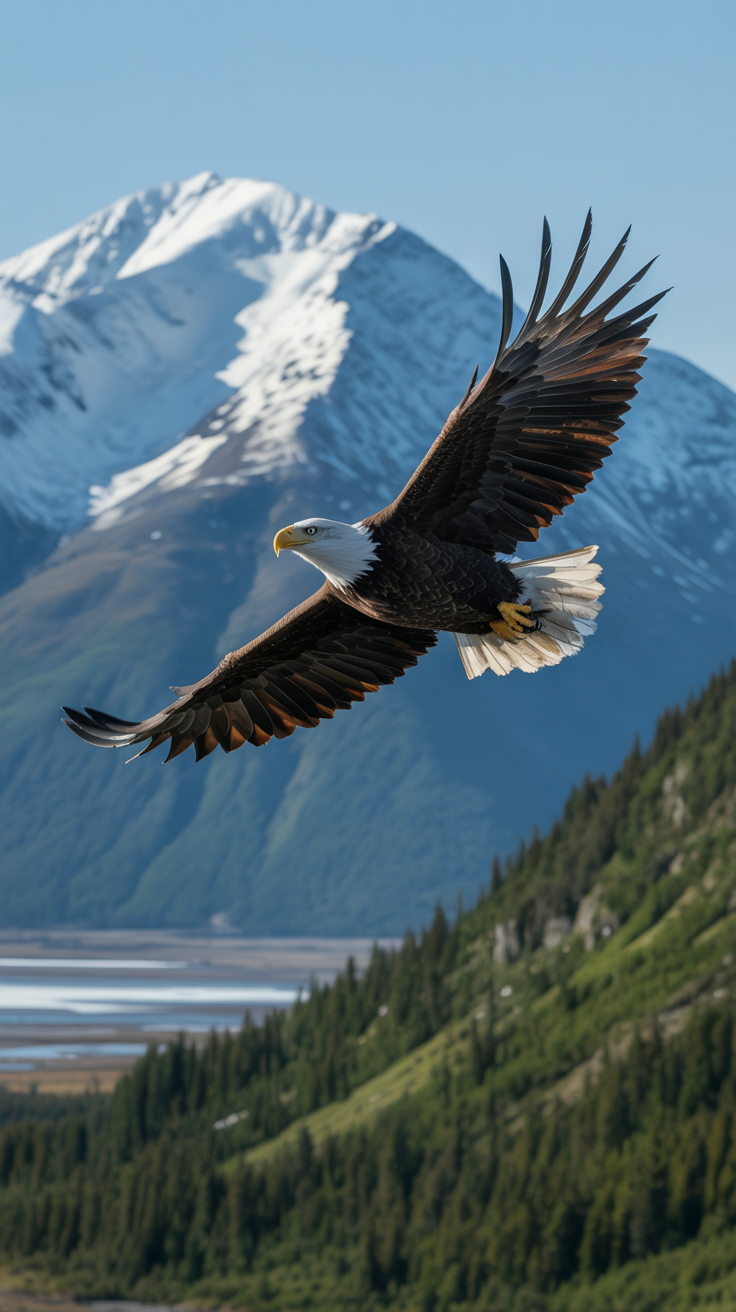
Bald eagles perched in shoreline trees become almost commonplace in Alaska, which sounds absurd until you see your fifth one before breakfast. These magnificent raptors congregate anywhere salmon are spawning or being processed. Ketchikan and Haines host particularly large populations.
Puffins bobbing in coastal waters require more deliberate searching. Tufted puffins and horned puffins both inhabit Alaska, but they’re smaller than most people expect. Binoculars are essential since these seabirds typically float far from cruise ship routes. Some excursions to remote islands offer better puffin viewing, particularly around the Kenai Fjords.
Overlooked Bird Species Worth Watching
- Ravens: These intelligent corvids are everywhere and entertaining to watch, especially their aerial acrobatics
- Arctic terns: Migrate from Antarctica, making them the world’s longest-distance migrants
- Pigeon guillemots: Bright red feet make them easy to identify bobbing in harbors
- Marbled murrelets: Elusive seabirds that nest in old-growth forests
Glacier Wildlife: Not Just Ice
When experiencing glaciers and the wildlife around them, most passengers focus entirely on the ice. Smart viewers watch for harbor seals pupping on icebergs, especially in Tracy Arm and Glacier Bay. Mother seals use ice floes as protected nurseries away from orca predators.
Kittiwakes, gulls, and other seabirds swarm around glacier faces feeding on small fish and invertebrates churned up by calving ice. The nutrient-rich glacial melt creates feeding opportunities throughout the food chain, from microscopic plankton to enormous whales.
Essential Gear That Actually Matters
Photography tips for capturing Alaska cruise moments start with realistic expectations about equipment. That said, certain items dramatically improve your experience:
- Binoculars: 8×42 or 10×42 magnification strikes the right balance between power and stability from a moving ship. Cheap binoculars cause headaches; rent or borrow quality optics if you won’t use them after the cruise
- Camera zoom lens: 200mm minimum for wildlife; 400mm is better. Smartphones capture scenery beautifully but won’t do wildlife justice beyond about 50 feet
- Stabilization: Monopods work better than tripods on moving ships. Many photographers skip supports entirely and boost ISO instead
- Weather protection: Rain covers for cameras and lens cloths for constant moisture
- Layered clothing: Deck viewing means wind and often rain; you’ll regret shorts and a t-shirt within ten minutes
Deck Positioning Strategy
Professional wildlife spotters and ship naturalists don’t randomly wander the decks. They position themselves based on predicted animal behavior and ship movement patterns.
Here’s what they know:
- Forward decks: Best for spotting ahead as the ship approaches whales, sea otters, and other marine life. You’ll see wildlife before passengers mid-ship or aft
- Observation decks: Higher vantage points help spot whale spouts and bear movement on distant shorelines
- Leeward side: Whichever side has less wind makes viewing more comfortable for extended periods
- Bridge announcements: When the captain or naturalist announces sightings, don’t stampede immediately. The animal will likely surface multiple times; position yourself thoughtfully
Shore Excursion Selection
Choosing between Alaska shore excursions focused on wildlife versus general sightseeing determines your ultimate wildlife success. Every port offers dozens of options with varying wildlife potential:
High Wildlife Probability Excursions
- Bear viewing platforms during salmon season
- Small boat whale watching tours (under 20 passengers)
- Kayaking in protected bays and fjords
- Float plane trips to remote viewing areas
- Wildlife sanctuary visits
Lower Wildlife Probability Excursions
- City tours and cultural experiences
- Shopping-focused port visits
- Train rides (scenic but wildlife is incidental)
- Zip-lining and adventure activities
- Helicopter glacier landings (amazing but not wildlife-focused)
The harsh truth about shore excursions: smaller groups always outperform large bus tours for wildlife encounters. Animals don’t wait around for 50 people to disembark, get organized, and shuffle into position. Independent excursions cost more but deliver exponentially better experiences.
Timing Your Viewing
Wildlife doesn’t operate on cruise ship schedules. Understanding animal behavior patterns helps you maximize limited time:
- Dawn and dusk: Prime feeding times for most species. Set your alarm and brave the cold deck.
- Tide changes: Coastal wildlife activity peaks during tidal transitions when prey becomes accessible
- Weather: Light rain doesn’t deter wildlife and often means fewer tourists competing for viewing space. Heavy weather does reduce surface activity for marine mammals
- Ship speed: When your ship slows or stops, something’s happening. Grab your gear and head outside
What Nobody Tells You: Bonus Tips
- Ship naturalists often scout from restricted crew areas and radio down to accessible decks; befriend them early for insider tips
- Seasickness peaks when you’re staring through binoculars or a camera viewfinder; take preventive medication before symptoms start
- The library or observation lounge on most ships stocks field guides and wildlife identification books; browse before your cruise
- Download offline wildlife identification apps before departure; shipboard WiFi is expensive and unreliable
- Bring hand warmers for early morning deck sessions; cold hands ruin photography and binocular viewing
- Most cruise lines offer laundry service but won’t rush it; bring extra layers since you’ll be outdoors constantly
- Cruise ship hot tubs position you perfectly for viewing while staying warm; just don’t bring your camera in
- Port days with bad weather often mean cheaper last-minute excursion deals and better wildlife activity
- The ship’s photographer sells professional wildlife shots; compare prices against what you might actually capture yourself
- Room service breakfast lets you eat while deck viewing during prime morning hours
Managing Disappointment
Some cruises deliver nonstop wildlife encounters while others prove frustratingly quiet. Weather, animal migration patterns, and pure luck factor heavily into your experience. The passengers who enjoy their cruise most accept uncertainty and celebrate whatever appears rather than fixating on a mental checklist.
That said, if wildlife ranks as your absolute top priority, consider these adjustments:
- Book small-ship expedition cruises rather than mega-ships; they access remote areas and adjust itineraries for wildlife
- Add pre or post-cruise days for dedicated wildlife excursions without time constraints
- Choose itineraries with multiple glacier and wildlife-focused days rather than city-heavy routes
- Travel during peak season for your target species rather than shoulder season discount rates
Common Questions and FAQ
Do I need a permit for wildlife photography from a cruise ship?
No permits are required for photography from your ship or during organized shore excursions. Professional photographers selling images commercially need permits for certain locations, but tourists shooting personal photos face no restrictions. Marine mammal protection laws prohibit approaching within specific distances, but cruise ships and licensed tour operators handle compliance.
Can I use a drone to photograph wildlife during my Alaska cruise?
National parks including Glacier Bay prohibit all drones. Many ports restrict drone use without permits. Most cruise lines ban drone operation from ships for safety reasons. Even where technically legal, drones disturb wildlife and create hazardous conditions around populated areas. Leave the drone home.
What if I spot an injured or distressed animal?
Report sightings to your ship’s naturalist or bridge immediately. They’ll contact appropriate wildlife authorities. Never approach, feed, or attempt to help wildlife yourself. Alaska’s distances and protected status areas mean response times vary considerably, but trained responders need accurate location data and species information.
Are wildlife sightings guaranteed on Alaska cruises?
No cruise line or excursion operator can guarantee wild animal sightings, though some offer partial refunds if flagship species don’t appear. Common species like bald eagles and sea otters appear on virtually every cruise. Rarer animals like wolves or spirit bears require exceptional luck. Marketing materials showing constant wildlife encounters represent highlights compiled across many voyages.
Should I tip the ship’s naturalist?
Naturalists work as part of the enrichment staff and tipping policies vary by cruise line. Some include them in automatic gratuities while others suggest separate cash tips. If a naturalist significantly enhances your trip with personalized guidance, a $20-50 tip on the final day is thoughtful and appreciated.
Will my phone camera work for wildlife photos?
For distant wildlife, smartphones struggle beyond about 30-50 feet even with maximum digital zoom. Close encounters with sea otters, harbor seals, and eagles in port produce excellent phone photos. Whale spouts, bears on shorelines, and birds in flight require dedicated cameras with optical zoom. Many passengers shoot wide scenic shots on phones and rent zoom lenses for wildlife.
Personal Experience
I spotted my first humpback whale from the ship’s deck near Juneau, and honestly, no amount of research could have prepared me for how massive they actually are. The ship’s naturalist had mentioned that early morning was prime viewing time in Icy Strait, so I grabbed my binoculars and a coffee around 6 AM. Within twenty minutes, I watched a mother and calf breaching so close I could hear the splash. For bear viewing, the excursion to Pack Creek was worth every penny – our small group of twelve got to watch brown bears fishing for salmon from a safe viewing platform while our guide explained their behavior. The key thing I learned was that smaller shore excursions always beat staying on the ship if you want real wildlife encounters.
The bald eagles in Ketchikan were everywhere, which surprised me since I expected them to be more elusive. Our guide said the salmon runs bring them in by the dozens, and she was right – I counted at least thirty perched in the trees along the creek. I brought a basic zoom lens on my camera, nothing fancy, and still got some incredible shots. The best tip I received was to book excursions for early in your cruise while you still have energy and enthusiasm. By day five, I was tempted to sleep in, but I would have missed those otters floating on their backs in Glacier Bay, which ended up being one of my favorite moments of the whole trip.