
Alaska cruises offer dramatic glaciers, wildlife, and wilderness scenery in a compact region, contrasting with the Mediterranean’s ancient ruins and diverse cultures. Peak Alaska season runs summer months with warmer weather but larger crowds, while shoulder seasons provide better value and fewer tourists. Popular ports include Juneau, Ketchikan, and Skagway, each offering unique excursions and attractions.
Quick Facts: Alaska Cruise Comparisons
| Comparison Factor | Alaska | Mediterranean |
|---|---|---|
| Best Season | May through September | April-June, September-October |
| Average Temperature | 50-65°F (10-18°C) | 70-85°F (21-29°C) |
| Main Attractions | Glaciers, wildlife, wilderness | History, culture, beaches |
| Typical Cruise Length | 7-10 days | 7-14 days |
| Price Range | $$$ peak, $$ shoulder | $$-$$$ |
| Sea Days | 1-2 typically | 2-4 typically |
Want to know more about Alaska cruise options and what makes them unique?
Alaska vs Mediterranean: Which Cruise Experience Suits You?
Choosing between Alaska and the Med isn’t just about picking a destination on a map. It’s about deciding what kind of vacation you actually want to have. The Alaska versus Caribbean comparison often comes up too, but the Med versus Alaska debate hits different because both offer genuinely world-class cruise experiences.
Weather and Packing Realities
Alaska demands layers. You’ll need a waterproof jacket, comfortable walking shoes that can handle rain, and yes, actual pants. The Mediterranean lets you pack four swimsuits and call it done. Here’s what most first-timers don’t realize: Alaska weather can swing 20 degrees in a single day. You might start your morning watching whales in 45°F fog and end your afternoon at a salmon bake in 65°F sunshine.
The Med is more predictable but can get brutally hot in peak months. You’ll be touring ancient ruins under scorching sun, which sounds romantic until you’re on your third archaeological site without shade.
Onboard Experience Differences
Alaska cruises focus heavily on destination experiences. Ships spend more time in port and the onboard naturalists actually add value. The Med cruise experience is more about the ship itself between ports. You’ll have longer sea days, which means more time to use those pools and spas you’re paying for.
One insider secret: Alaska cruise ships often have smaller passenger loads even on the same vessel class because itinerary permits limit capacity in certain areas like Glacier Bay. This means less crowding at key viewing areas.
Timing Your Alaska Cruise: Beyond Peak Season
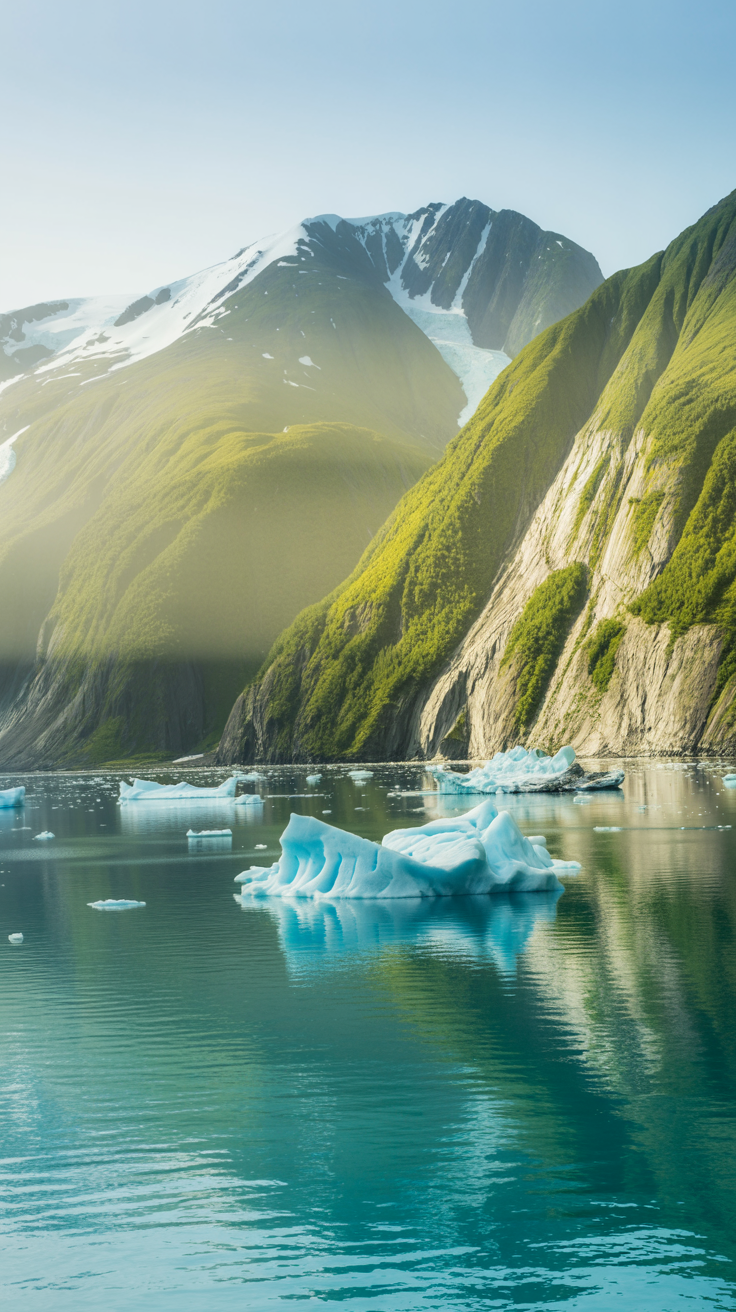
Everyone wants to know the “best” month for Alaska cruising. The truth is there’s no single answer because each month delivers something different. Check out the detailed summer versus shoulder season comparison for the full breakdown.
Monthly Breakdown
May (Early Season):
- Lowest prices and smallest crowds
- Waterfalls at peak flow from snowmelt
- Some shore excursions not yet operating
- Temperature range: 45-55°F
- Wildlife bonus: migrating whales, newborn animals
The May versus June timing decision often comes down to whether you prioritize price or guaranteed operational excursions.
June (Sweet Spot #1):
- Longest daylight hours (up to 19 hours)
- All excursions fully operational
- Wildflowers blooming
- Prices rising but still reasonable
- Temperature range: 50-60°F
Comparing June versus July options reveals that June often wins for serious photographers thanks to that extended golden hour light.
July (Peak Season):
- Warmest weather of the season
- Highest prices and largest crowds
- Best chance of sun but never guaranteed
- All wildlife active and visible
- Temperature range: 55-65°F
August (Peak Season):
- Salmon runs attract concentrated wildlife
- Berry picking season
- Still crowded but slightly less than July
- More rain than earlier months
- Temperature range: 50-60°F
The July versus August comparison matters most for bear watching enthusiasts since August brings those famous salmon runs.
September (Sweet Spot #2):
- Dramatically lower prices
- Fall colors in full display
- Northern lights possible toward month end
- Some excursions winding down
- Temperature range: 45-55°F
- Increased rain probability
The August versus September debate is really about whether you want guaranteed operations or better pricing with some trade-offs.
Route Variations: Inside Passage vs Gulf of Alaska
Most cruisers don’t realize these are fundamentally different experiences. The Inside Passage versus Gulf of Alaska routes offer distinct advantages.
Inside Passage (Round-trip from Seattle or Vancouver)
- Protected waters mean smoother sailing
- More port stops, less scenic cruising
- Same ports on departure and return
- Easier logistics with same start and end point
- Better for families with young kids prone to seasickness
Gulf of Alaska (One-way between Vancouver and Seward/Whittier)
- Open ocean means potential for rougher seas
- More scenic cruising through remote areas
- Different ports each way
- Requires flights and land arrangements
- Typically includes College Fjord and Hubbard Glacier
- Better for serious scenery seekers
Here’s what the brochures won’t tell you: Gulf of Alaska itineraries give you better glacier viewing but require more planning. You’ll need to arrange transportation between ports and possibly overnight stays. The payoff is seeing more diverse scenery and avoiding the “been there, done that” feeling of retracing your route.
Port Selection Strategy
Not all Alaska ports deliver the same experience. Understanding what each Alaska cruise port offers helps you choose the right itinerary.
Major Ports Ranked by Experience Quality
Juneau (Alaska’s Capital):
- Mendenhall Glacier accessible by bus or helicopter
- Downtown walkable from ship
- Excellent whale watching opportunities
- Gold mine tours and salmon bakes
- Can get crowded with multiple ships
Skagway (Gold Rush History):
- White Pass Railroad is the must-do excursion
- Tiny town with well-preserved historic district
- Book train early as it sells out
- Limited alternative excursions if train is full
- Authentic frontier atmosphere
Ketchikan (Creek Street Character):
- Best totem pole collections
- Misty Fjords flightseeing is spectacular
- Great Island zipline through temperate rainforest
- Wettest city in Alaska so pack accordingly
- Salmon fishing and cannery tours
Sitka (Russian Heritage):
- Less crowded than other ports
- Raptor rehabilitation center worth visiting
- Russian Orthodox cathedral and cultural sites
- Town requires tender (small boat) from ship
- More authentic local feel
Glacier Bay National Park:
- Not a port but a cruising experience
- Park rangers board ship to narrate
- Limited permits mean not all ships go
- Worth prioritizing in itinerary selection
- Best glacier viewing opportunities
Icy Strait Point:
- Native-owned port with cultural focus
- World’s longest zipline
- Excellent whale watching from shore
- Less developed and commercialized
- More intimate wildlife experiences
Pro tip that tour operators won’t advertise: Some ports like Juneau and Ketchikan can have 4-5 ships in port simultaneously during peak season. This means 10,000+ cruise passengers competing for the same excursions and clogging the same streets. Check your ship’s schedule to see if you’ll be solo or sharing the port.
For more detailed information about what awaits at each stop, explore the comprehensive Alaska shore excursion options available.
Cruise Length Considerations
The 7-day versus 10-day cruise comparison isn’t just about extra days. It’s about what you’ll actually see and how rushed you’ll feel.
7-Day Cruises
- Cover the greatest hits efficiently
- Usually round-trip Inside Passage routes
- Easier to fit into standard vacation time
- Lower total cost
- Can feel rushed at ports
- May skip smaller or more remote destinations
10-14 Day Cruises
- Include more remote locations
- More sea days for glacier viewing
- Often combine with land tours
- Better wildlife spotting odds through extended time
- Significantly higher cost
- May include interior Alaska components
The decision often comes down to whether you want to add a cruise tour versus stick to cruise-only experiences. Cruise tours extend your trip inland to places like Denali National Park and Fairbanks.
Matching Cruise Style to Your Travel Group
Alaska attracts different demographics than tropical cruises. The family versus couples cruise comparison reveals important differences in ship selection and timing.
Best Alaska Cruises for Families
- Choose ships with robust kids programs despite Alaska focus
- Inside Passage routes offer calmer seas for little ones
- Ports with hands-on activities work better than lecture-heavy excursions
- Wildlife viewing keeps kids engaged more than historical sites
- Consider cabin location near elevators for glacier viewing access
Best Alaska Cruises for Couples
- Smaller ships offer more intimate experiences
- Shoulder season timing means fewer children onboard
- Balcony cabins justify their cost in Alaska more than anywhere else
- Gulf of Alaska routes appeal to adventurous couples
- Cultural excursions in places like Sitka offer depth
Budget Considerations and Value Optimization
Alaska cruises run the gamut from affordable to jaw-droppingly expensive. Understanding the budget versus luxury cruise differences helps set realistic expectations.
Where Budget Cruises Compromise
- Older ships with fewer amenities
- More port days, less scenic cruising time
- Larger passenger counts
- Basic dining options
- Cabins farther from key viewing areas
What Luxury Cruises Deliver
- All-inclusive excursions and drinks
- Better naturalist-to-passenger ratios
- Specialty restaurants and premium ingredients
- More time in remote areas and Glacier Bay
- Smaller ships accessing unique locations
One surprise factor: Mid-tier cruise lines often provide the best value in Alaska because the destination matters more than ship amenities. You’re spending so much time looking outside the ship that fancy restaurants and Broadway shows matter less than they would in the Caribbean.
The expedition versus traditional cruise comparison reveals another pricing dimension. Expedition ships cost significantly more but get you dramatically closer to wildlife and wilderness.
Choosing Your Cruise Line
Different Alaska cruise lines excel at different things. The massive resort ships offer something completely different from small expedition vessels.
Large Ship Advantages
- More onboard entertainment options
- Multiple dining venues
- Better kids programs
- More stable in rough seas
- Lower per-day pricing
- Familiar mainstream cruise experience
Small Ship Advantages
- Access to ports large ships can’t reach
- More personalized service
- Better wildlife viewing from closer proximity
- Expedition leaders and naturalists throughout
- Zodiac landings and kayaking included
- More authentic Alaska experience
Departure Port Decisions
Your Alaska departure port selection impacts more than just logistics. It affects your entire cruise route and what you’ll see.
Seattle
- Most convenient for West Coast residents
- Adds extra sea day through Puget Sound
- Easier pre-cruise planning with major city amenities
- Round-trip itineraries common
Vancouver
- Closer to Alaska means more time in destination
- Beautiful city worth exploring pre-cruise
- Both round-trip and one-way options
- Requires passport even for US citizens
Seward/Whittier
- One-way cruise endpoints in Alaska
- Requires flight arrangements
- Connects easily to land tours
- Gets you into Alaska faster
- Usually paired with Anchorage visit
Wildlife Viewing Strategies
Most cruisers don’t realize that Alaska wildlife viewing requires strategy. You can’t just show up and expect to see everything.
Best Wildlife by Month
| Wildlife | Best Months | Where to See |
|---|---|---|
| Whales (Humpback) | May-September | Juneau, Icy Strait Point |
| Bears (Brown/Grizzly) | July-August | Ketchikan streams, Icy Strait Point |
| Eagles (Bald) | Year-round | Everywhere, especially Haines |
| Orcas | May-June | Inside Passage waters |
| Sea Otters | Year-round | Coastal areas, especially Glacier Bay |
| Puffins | May-August | Coastal cliffs, boat excursions |
Viewing Tips Nobody Tells You
- Wildlife appears on both sides of the ship so don’t commit to one side
- Early morning deck time yields best sightings
- Binoculars are essential and often unavailable to borrow
- Shore excursions see more wildlife than ship-based viewing
- Rain often brings animals out more than sunny days
Comparing Alaska to Norway
The Alaska versus Norway cruise comparison comes up frequently since both offer dramatic fjords and natural beauty. Norway provides more cultural immersion and charming villages while Alaska delivers rawer wilderness and better wildlife odds. Norway works year-round with winter northern lights options while Alaska is strictly seasonal.
Essential Planning Resources
Proper Alaska cruise planning makes the difference between a good trip and an amazing one. Start researching at least six months out for peak season travel.
Booking Timeline
- 12-18 months ahead: Best cabin selection and early booking discounts
- 6-9 months ahead: Still good selection with occasional deals
- 3-6 months ahead: Limited cabin choices but sometimes reduced pricing
- Under 3 months: Last-minute deals possible but very limited options
What to Book in Advance
- White Pass Railroad in Skagway (sells out earliest)
- Helicopter glacier tours (weather dependent but limited capacity)
- Specialty dining on ship
- Any excursion involving wildlife viewing or flightseeing
What to Book Onboard or in Port
- Walking tours of port towns
- Local restaurants and shops
- Museum visits and cultural attractions
- Backup plans if weather cancels your booked excursions
Special Interest Cruising
Beyond standard Alaska cruises, Alaska specialty cruises cater to specific interests like photography, marine biology, or cultural immersion. These themed sailings include expert speakers and specialized excursions.
Packing and Practical Preparation
The practical aspects of Alaska cruising trip up first-timers more than any other destination. The weather variability demands smart packing.
Essential Alaska Cruise Packing List
- Waterproof jacket with hood (not just water-resistant)
- Layering pieces (fleece, sweaters)
- Comfortable waterproof walking shoes
- Warm hat and gloves (yes, even in summer)
- Binoculars (don’t rely on borrowing)
- Sunscreen and sunglasses (reflection off water intensifies UV)
- Motion sickness medication even if you’re not prone
- Camera with zoom lens for wildlife
- Reusable water bottle
- Backpack for shore excursions
Check the detailed Alaska cruise outfit recommendations for specific clothing suggestions.
Land Tour Extensions
Many cruisers add Alaska cruise tours to see interior destinations like Denali National Park, Fairbanks, and the Kenai Peninsula. These typically add 3-7 days and include train travel on the Alaska Railroad.
Popular Extension Destinations
- Denali National Park (wildlife and Mount McKinley viewing)
- Fairbanks (gold mining history, possible northern lights)
- Talkeetna (charming town with flightseeing options)
- Kenai Peninsula (fishing and more coastal scenery)
- Anchorage (urban Alaska with museums and dining)
Bonus Tips That Make a Difference
- Book a cabin on the starboard (right) side for northbound cruises and port (left) for southbound to maximize glacier viewing
- Pack a small dry bag for excursions where your belongings might get wet
- Download offline maps of ports since cellular service is spotty and expensive
- Bring a power strip since cabins have limited outlets
- Join ship naturalist talks even if you think you’re not interested – they’re surprisingly engaging
- Set your alarm for early morning glacier viewing announcements
- Don’t buy excursions that promise whale sightings – nothing is guaranteed and you’ll see plenty from the ship
- Research port walking routes in advance to maximize time without buying excursions
- Bring ziplock bags to protect electronics from rain and sea spray
- Consider travel insurance that covers weather-related cancellations (common in Alaska)
- Pack snacks since you’ll be outside viewing wildlife during meal times
- Bring hand warmers for early morning deck viewing
- Check the ship’s daily schedule for naturalist appearances on deck during scenic cruising
- Book spa treatments during port days when facilities are less crowded
Common Questions and FAQ
Do I need a passport for an Alaska cruise?
For round-trip cruises from Seattle, US citizens technically don’t need a passport if you bring a birth certificate and government-issued photo ID. However, if any emergency requires you to fly home from a Canadian port, you’ll need a passport. It’s strongly recommended to have one regardless of legal requirements.
Will I get seasick on an Alaska cruise?
Inside Passage routes travel through protected waters and are generally very calm. Gulf of Alaska itineraries cross open ocean and can get rough, especially in the Gulf itself. If you’re prone to motion sickness, choose Inside Passage routes and bring medication regardless.
Can I see the northern lights on an Alaska cruise?
Highly unlikely. Summer months have nearly 24 hours of daylight, making aurora viewing impossible. Only late September sailings after the fall equinox have a slim chance, and even then you need exceptionally clear, dark skies which are rare.
Are gratuities included in Alaska cruise pricing?
Depends entirely on the cruise line. Budget and mainstream lines charge daily gratuities ($12-18 per person per day) on top of your cruise fare. Luxury and expedition lines typically include gratuities in the upfront pricing.
What’s the dress code for Alaska cruises?
More casual than Caribbean cruises. Most ships have 1-2 formal nights where a dress shirt or simple dress works fine. The focus is on outdoor activities so don’t overpack dressy clothes. Even specialty dining accepts smart casual attire.
Can I do Alaska shore excursions independently instead of booking through the ship?
Yes, but with one critical caveat: if you book independently and miss the ship departure due to delays, the ship will not wait for you. Book through the ship and they guarantee to wait or arrange your transportation to the next port. Many cruisers successfully book independently for walking tours and nearby attractions but use ship excursions for distant activities.
Is cellular service available in Alaska ports?
Spotty at best. Major towns like Juneau and Ketchikan have coverage from major US carriers but expect slow speeds and potential roaming charges in Canadian waters. Many areas have zero coverage. Don’t rely on your phone for navigation or communication.
Do I need bear spray for Alaska cruise excursions?
No. All organized excursions take place in controlled environments where bear spray isn’t allowed or necessary. If you’re planning independent hiking in remote areas during port time, you’d need it, but that’s not typical for cruise passengers.
What’s the best cabin location on an Alaska cruise?
Mid-ship for stability, but honestly cabin location matters less than cabin type. A balcony is worth the splurge in Alaska more than anywhere else because you’ll want private outdoor space for glacier viewing. Higher decks provide better viewing angles for wildlife spotting.
Personal Experience
Last summer, my partner and I spent months debating between an Alaska cruise and a Mediterranean one. We’d done the warm-weather Greek islands thing before, so Alaska felt like the natural next step – but the timing question kept us up at night. Everyone said July and August were peak season, but after reading about shoulder months, we booked for late May. Best decision ever. The weather was surprisingly mild, the crowds were manageable, and we actually got better wildlife sightings since it was mating season for a lot of species. Plus, the prices were noticeably lower than what our friends paid for their August sailing.
The port selection made a huge difference too. We specifically chose an itinerary that included Juneau, Skagway, and Glacier Bay instead of just the typical Inside Passage stops. Watching glaciers calve into the water while a park ranger narrated from the ship’s deck? Absolutely worth it. My advice if you’re comparing routes: don’t just look at how many ports you’ll visit – research what you can actually do there. Some ports are tiny with limited excursions, while others like Ketchikan and Sitka offer everything from bear watching to cultural experiences. The Mediterranean will always be there, but Alaska during those perfect late spring days hits differently.