
The Western Caribbean is the cruise industry’s busiest playground: a ring of ports strung across Mexico’s Yucatán coast, Belize, Honduras, Jamaica, Grand Cayman and, on some sailings, Key West. Expect Mayan ruins, barrier-reef snorkelling, cave tubing, rainforest wildlife and compact Caribbean beaches, all joined by three- to ten-day itineraries out of Florida, Texas and New Orleans.
Western Caribbean cruise ports map
Western Caribbean’s 15 cruise ports run from Key West and Progreso in the far north to Colón and San Blas Islands in the far south. Tap a pin to open that port’s guide.
What “Western Caribbean” Actually Means
The Western Caribbean is an itinerary label, not a strict geographic region. Cruise lines use it to describe a loose horseshoe of stops around the western basin of the Caribbean Sea: Mexico’s Caribbean coast (Cozumel, Costa Maya, Progreso, Cancún, Playa del Carmen, Puerto Morelos), Belize (Belize City and Harvest Caye), Honduras (Roatán with two cruise ports), Jamaica (Falmouth, Ocho Rios, Montego Bay), Grand Cayman, and sometimes Key West. Longer sailings push south to Costa Rica (Puerto Limón), Panama (Colón and the San Blas Islands) and Guatemala (Santo Tomás de Castilla).
That broad spread explains the appeal. No other main Caribbean cruise area packs so many different cultures, landscapes and types of day into a single seven-night round trip. The trade-off is distance. The Western Caribbean simply takes longer to move through than the Eastern Caribbean, so sea days and port timings matter more here.
A quick geography note: Cozumel is an island off Mexico’s coast; Costa Maya is mainland Mexico; Belize City and Roatán sit on the Central American mainland and an offshore island respectively; Grand Cayman and Jamaica are separate island nations or territories. In cruise-line terms, all count as Western Caribbean.
The Ports You’ll Visit
These are the stops that make up a Western Caribbean itinerary. Each has its own detailed guide on this site, but this section gives you the quick picture.
Belize City: Reefs, Cave Tubing and a Tender Ride
Belize City is a tender port. Ships anchor about 15 minutes offshore and passengers step ashore at the Fort Street Tourism Village. This is the region’s most adventurous stop: the day is really about cave tubing at Nohoch Che’en, barrier-reef snorkelling or Mayan sites, not the town itself. Belize’s reef is part of the UNESCO-listed Mesoamerican Barrier Reef system, and the cave-tubing circuit is roughly an hour inland.
Harvest Caye: Norwegian’s Private Island in Belize
Harvest Caye is Norwegian Cruise Line’s 75-acre private island off southern Belize. Unlike Belize City, it has a pier, so no tendering. It is a self-contained pool-and-beach day with a seven-acre beach, swim-up bar, salt-water lagoon and a zip line. Food and drink are à la carte and the onboard drinks package does not apply ashore. You’ll mostly find Norwegian, Oceania and Regent ships here.
Puerto Limón: Costa Rica’s Rainforest and Wildlife Port
Puerto Limón is Costa Rica’s main Caribbean cruise gateway and a working port town. Passengers use it for rainforest canopy walks, sloth and monkey spotting, banana plantation visits and river cruises. The wildlife day here is among the best in the broader Western Caribbean. It appears on longer Central America itineraries rather than the standard seven-night Florida runs.
Isla Tropicale (Mahogany Bay): Roatán’s Easiest Beach Day
Carnival Corporation’s private port on Roatán, now branded Isla Tropicale, has two berths, a fenced shopping village, a chairlift and its own beach with a pool complex. It is the easiest possible beach day on Roatán: everything inside the gates is priced in US dollars and you never need a taxi. First-time visitors to Honduras or anyone who wants a zero-decision beach day will like it.
Roatán (Coxen Hole): The Snorkel-Lover’s Stop
The original Roatán cruise terminal is used by Royal Caribbean, Norwegian, Celebrity, MSC and most non-Carnival lines. It is a small terminal beside the island’s main town, with taxis set up to reach West Bay Beach, West End and snorkel boats on the Mesoamerican Barrier Reef. Roatán is arguably the best reef-snorkelling port in the region after Cozumel, and often cheaper than Cozumel for a comparable day.
Cancún: Resort City Gateway to Isla Mujeres
Cancún is better known as a fly-and-flop resort hub than a cruise port, but it shows up on a handful of itineraries as the gateway to Isla Mujeres and the northern Maya Riviera. It is a modern beach city rather than an old-town port day. When ships do call, expect a long pier and a short ferry or boat ride to Isla Mujeres for the best beach and snorkelling.
Cozumel: The Big, Busy, Do-Everything Port
Cozumel is the busiest cruise port in the Western Caribbean by a wide margin, handling more than four million passengers a year across three separate piers. The island is the region’s premier reef-diving and snorkelling destination and the jumping-off point for Tulum and Chichén Itzá on the mainland. Punta Langosta pier opens straight into downtown San Miguel; the two southern piers sit about 4 km out and need a taxi.
Playa del Carmen: Mainland Jump-Off for Tulum and the Maya Riviera
Playa del Carmen is the mainland ferry hub for Cozumel and sometimes appears as a cruise stop in its own right. It has a walkable pedestrian Fifth Avenue, beach clubs and faster access to Tulum, cenotes and other Maya Riviera sights than any Cozumel-based itinerary. It is more of a beach-town day than a ruins day unless you add a transfer.
Puerto Morelos: The Quiet Riviera Maya Option
Puerto Morelos is a small fishing village between Cancún and Playa del Carmen, mostly used by smaller and expedition ships rather than mass-market lines. The reef sits close to shore and the town has a quiet beach-park feel: it is the least crowded Mexican port on this list. It’s good for snorkelling and a low-key local lunch.
Costa Maya: Ruins, Beach Clubs and Mahahual
Costa Maya is a purpose-built pier on Mexico’s southern Caribbean coast, with a large port complex and the low-key beach town of Mahahual 3–4 km down the road. It is the gateway to the Chacchoben Mayan ruins, about an hour inland, and the easiest Mexican port for a cheap beach-club or half-day ruins outing. Royal Caribbean Group bought the port in 2025 for about US$292m, so expect continued investment.
Perfect Day at Costa Maya: What’s Actually Happening
Royal Caribbean planned a beach-club development beside the Costa Maya pier, called Perfect Day at Costa Maya. Mexico’s environment ministry rejected the plan in 2026, so that project is not operating as submitted. For now the reliable Costa Maya day remains Mahahual, the Malecón and the local beach clubs. If the project is revived or revised, it would add a controlled beach-club option a short walk from the pier.
Progreso: The Gateway to Mérida
Progreso is a long-pier port on Mexico’s northern Yucatán coast and the cruise gateway to Mérida, one of Mexico’s most distinctive colonial cities. The port town has a beach promenade, but Mérida, nearby cenotes and the Maya site of Dzibilchaltún are the real reason ships call. Progreso itself is more workaday than Cozumel or Costa Maya, which keeps day costs down.
Colón: The Panama Canal’s Caribbean Side
Colón is Panama’s Caribbean cruise port at the Atlantic end of the canal. Passengers do partial canal transits, visit Gatún Lake, or head to Panama City. It is a canal and rainforest day rather than a classic Caribbean beach call, and it only appears on longer Panama or partial-transit itineraries.
San Blas Islands: A Barefoot Day in Guna Yala
The San Blas Islands are a chain of roughly 365 coral islands off Panama’s Caribbean coast, governed by the Guna people. Small expedition ships and canal-connecting itineraries stop for a barefoot beach and dugout canoe day. There is no big shopping village, which is exactly the point.
Santo Tomás de Castilla: Guatemala’s Gateway, Tikal Included
Santo Tomás de Castilla is a cargo-and-cruise port on Guatemala’s short Caribbean coastline. It’s the gateway to the Río Dulce, Livingston’s Garifuna culture and, with a long inland transfer, the Maya site of Tikal. It’s a niche port on Central America-focused itineraries. Tikal is one of the most significant Maya sites in the Americas, but it is a very long day from the ship.
Falmouth: Jamaica’s Purpose-Built Cruise Terminal
Falmouth is Jamaica’s purpose-built cruise terminal between Montego Bay and Ocho Rios, created as a joint venture between the Port Authority of Jamaica and Royal Caribbean. It is the most convenient Jamaican gateway for Dunn’s River Falls and north-coast excursions, with a two-berth pier beside a Georgian town. The terminal itself is a contained shopping and transport plaza, so first-timers can use it without diving into central Jamaica.
Montego Bay: Jamaica’s Busiest Tourist Port
Montego Bay is Jamaica’s best-known tourist city, with a cruise pier close to the Hip Strip, Doctors Cave Beach and Rose Hall. It is the biggest, busiest and most touristy of the three Jamaican ports, with jerk shacks and beach clubs within easy reach. Expect more high-rise hotel coastline than old-town Caribbean.
Ocho Rios: Closest Port to Dunn’s River Falls
Ocho Rios is the Jamaican port closest to Dunn’s River Falls: only three miles, about eight minutes by taxi. Ships dock at the dedicated cruise terminal or share Reynolds Pier, and the falls, Blue Hole, river tubing and beach clubs are all close by. It’s by far the easiest Jamaican port for independent day-tripping.
George Town, Grand Cayman: Stingrays and Seven Mile Beach
Every ship tenders in Grand Cayman; there is no cruise pier. Passengers land close to the waterfront road and head to Seven Mile Beach, Stingray City or the turtle farm. It is the most consistently busy tender operation in the region and arguably its most reliable beach-and-stingray day. Stingray City sits about 20–30 minutes by boat from the tender landing, in water no deeper than five feet.
Key West: The Easy American Walk-Off Port
Key West is the northernmost port on Western Caribbean itineraries, often bolted on to shorter Florida sailings as the first or last call. It is a walk-off day, Mallory Square, Duval Street and the Historic Seaport sit right at the two cruise berths, and ships usually stay from about 08:00 to mid-afternoon or early evening. No language barrier, no tender, no culture shock.
How to Compare These Ports
The quickest way to compare these stops is to ask yourself what kind of day you actually want.
- Easiest beach, no taxis or stress: Isla Tropicale on Roatán, Harvest Caye, or the beach clubs of Mahahual.
- Best underwater scenery: Cozumel and Roatán fight for the top slot, with Belize’s barrier reef close behind if you’re willing to take a boat ride.
- Big archaeological site from the ship: Costa Maya’s Chacchoben is the most efficient ruins day in the region. Cozumel to Chichén Itzá is the longest and riskiest option.
- Caribbean culture: The Jamaican ports and George Town are the pick.
- Unique walkable town: Key West is a walkable American old town with no language barrier.
There’s also a structural split. About half these ports are tender ports, Belize City and Grand Cayman always, Roatán’s Coxen Hole and San Blas sometimes, and the rest are docked. Tender days eat 30–45 minutes each way and add uncertainty in rough weather. Docked ports, Cozumel, Costa Maya, Isla Tropicale, Falmouth, Ocho Rios, Montego Bay, Progreso, Colón, Key West and others, let you walk off when the ship opens.
For a UK cruiser doing a first Western Caribbean trip, the practical order is: one ruins day (Costa Maya or a Cozumel mainland excursion), one reef or snorkel day (Cozumel or Roatán), one beach-club or private-island day (Isla Tropicale, Harvest Caye or a Cozumel beach club) and one easy wander day (Key West, George Town or Mahahual). That mix gives you the full Western Caribbean in four stops without repeating the same type of day. Browse the full cruise port guides index to compare this region with others.
Best Western Caribbean Ports for First-Time Cruisers
Four ports are the most reliable and least likely to cause problems on a first cruise:
- Cozumel: the most developed and varied, with dozens of excursions and a mature tourist infrastructure.
- Isla Tropicale on Roatán: an enclosed beach-and-pool day with no language, transport or safety friction.
- Grand Cayman: the tender lands right in a walkable waterfront town, and Seven Mile Beach is a short taxi away.
- Costa Maya: the port is self-contained and Mahahual is a five-minute cab along one straight road.
If you want the simplest possible first day with no decisions at all, pick Isla Tropicale or Harvest Caye. If you want to “see” the Western Caribbean in one stop, pick Cozumel. If you want postcard turquoise water and stingrays, pick Grand Cayman. If you want a ruins fix without a punishing transfer, pick Costa Maya.
One warning for first-timers: avoid Chichén Itzá on your first Cozumel call. The 10–11 hour door-to-door day, including a ferry and a long inland coach, is one of the most physically demanding standard excursions in the region. Save it for a second visit or a longer port day.
Choosing the Right Type of Port Day
Most Western Caribbean excursions fall into five buckets: beach and beach-club days, snorkelling and diving, Mayan ruins and archaeology, wildlife and nature, and culture plus food. The port you’re in determines which buckets are realistic.
Beach Days
Cozumel’s beach clubs are the most developed in the region: this guide to Cozumel beach clubs covers the best ones. Roatán’s West Bay is the island’s finest beach. Grand Cayman’s Seven Mile Beach is the most famous stretch of sand in the Western Caribbean. Mahahual’s Malecón clubs are the cheapest. Harvest Caye and Isla Tropicale are the most controlled, with everything inside a fenced compound.
Snorkel and Dive Days
Cozumel is the reef capital, with named dive sites inside the Arrecifes de Cozumel national park on a rotating closure programme. The free Cozumel snorkel spots guide lists independent options that don’t need an expensive boat excursion. Roatán’s reef is part of the same Mesoamerican Barrier Reef system and is equally convenient from Coxen Hole or West End. Belize’s barrier reef is a UNESCO World Heritage site but requires a tender plus a boat ride.
Mayan Ruins Days
Costa Maya has the easiest ruins-to-ship ratio, with Chacchoben about an hour inland. From Cozumel, you ferry to Playa del Carmen and can reach Tulum in a manageable half-day, or attempt Chichén Itzá as a long full-day. Progreso serves Dzibilchaltún and the longer Chichén Itzá transfer. Santo Tomás de Castilla is the gateway to Tikal, though only viable as a very long day. The 12 Mayan ruins near Cozumel article covers more options in detail.
Wildlife and Nature Days
Puerto Limón is the single best wildlife port (sloths, monkeys, river tours). Belize City combines cave tubing with rainforest. Roatán has its marine park and iguana farm. Key West runs good dolphin-watch and shallow-water eco tours. Costa Maya remains the easiest Mexican port to pair beach time with a half-day wildlife or ruins trip: and the Costa Maya hidden gems piece has several ideas most first-timers miss.
Culture, Food and Shopping
Jamaica’s three ports are the easiest for street food, music and market culture. Cozumel’s San Miguel is the best Mexican food town on a port day, and the authentic Mexican dining guide and Mexican eats guide are useful reads. For tequila, the tequila experiences guide goes beyond the usual tasting-room pitch. For souvenirs you make yourself, the Mexican craft workshops article lists hands-on options. Progreso’s Yucatán side is covered in the Progreso day trips piece, and if you want photographs rather than purchases, the Cozumel coastal photo spots guide is worth keeping on your phone.
Itineraries and Sea Days: How Western Caribbean Cruises Work
The standard Western Caribbean cruise is a six- or seven-night round trip from Florida, Texas or New Orleans. A typical six-night pattern is Tampa → Roatán → Belize City → Cozumel → Tampa with two sea days. A typical seven-night adds Grand Cayman and Ocho Rios, or swaps Jamaica for Costa Maya. Longer eight- to ten-day sailings from Galveston or Miami add Montego Bay, Costa Maya, Panama or Progreso.
Short four- and five-night cruises tend to be Eastern Caribbean (Bahamas plus Key West) or a two-port Western sampler. Key West often appears as the first or last call on these shorter Florida sailings because it is close and does not require an extra sea day.
The classic seven-night Western from Florida runs three or four ports with two or three sea days. That balance matters more than most people think. A four-port seven-night gives you only three recovery days; a three-port seven-night feels noticeably less rushed. Princess and some Royal Caribbean sailings keep ships later in ports such as Cozumel (“More Ashore”), which changes the day for independent travellers.
When comparing two similar itineraries, count the sea days and check the port times. A Cozumel call that departs at 18:00 is a very different day from one that departs at 14:00. Belize and Grand Cayman are tender ports, so add buffer to any arrival or departure time you see published.
On schedules: Grand Cayman and Key West publish their cruise calendars. Cozumel has three separate private piers with no single consumer calendar. Belize City has no official tourism-board cruise schedule. Roatán’s schedule is split between its two terminals. The most reliable source on any given day is your ship’s app and the daily programme.
Docked or Tender? What to Expect at Each Port
This matters more in the Western Caribbean than in many regions because some of the best-known stops are tender ports.
Tender Ports
- Grand Cayman: always a tender; no pier exists. About a 10-minute ride to George Town; rough weather can cancel the call entirely.
- Belize City: always a tender, about 15–20 minutes to the Fort Street Tourism Village.
- Roatán (Coxen Hole): normally docked, but busy days can force ships to tender.
- San Blas Islands: small-ship tendering, often wet landings off the beach.
Docked Ports
- Cozumel: three piers (Punta Langosta, International, Puerta Maya); all docked.
- Costa Maya: purpose-built pier; docked.
- Mahogany Bay/Isla Tropicale: two berths; docked.
- Harvest Caye: pier; docked, though NCL says ships can also anchor offshore.
- Falmouth: two-berth pier; docked.
- Ocho Rios: dedicated terminal plus shared Reynolds Pier; docked.
- Montego Bay: docked.
- Progreso: long pier with a shuttle to shore; docked.
- Cancún, Playa del Carmen, Puerto Morelos: docked or anchored depending on ship size and port infrastructure.
- Puerto Limón: docked.
- Colón: docked.
- Key West: docked at Mallory Square or Pier B.
- Santo Tomás de Castilla: docked.
Tender days eat time. You queue for a numbered group, load into a boat, ride ashore, and repeat the process in reverse. Budget 30–45 minutes each way on top of everything else. Tender ports also rely on sea state: Grand Cayman is the region’s most notorious port for cancelled calls in winter north swells.
Excursion Timing and the Risk of Missing the Ship
The basic rule: the ship waits for excursions you buy through the cruise line, and it does not wait for independent travellers. That is explicit in Royal Caribbean’s terms and works the same way on other big lines.
For independent port days, build in a buffer. Be back at the port at least 60–90 minutes before all-aboard. If your ship departs at 17:00 and all-aboard is 16:30, aim to be standing at the terminal by 15:30. In tender ports, leave more slack: the last tender back can have a long queue.
The highest-risk excursions in the region are Chichén Itzá from Cozumel (roughly 10–11 hours door to door, including a 35–45-minute ferry each way and a long coach inland) and Tikal from Santo Tomás de Castilla (a very long transfer deep into Guatemala). Only do these as cruise-line excursions unless your ship has a late departure and you have serious buffer.
Two specific traps: Belize cave tubing can be cancelled or restricted after heavy rain because river levels rise, and tickets are normally non-refundable. Dunn’s River Falls now sells dated, non-refundable tickets: if the ship’s call shifts, you lose that money.
The practical split: book ship excursions at high-risk ports (Belize, any long inland transfer, tender ports with tight timings) and go independent at low-risk ports (Cozumel, Costa Maya, Roatán, Key West, Grand Cayman) where you are never far from the ship or a taxi. Cruise-line excursions can usually be cancelled free up to 48 hours before the port call on the major lines, so you can hold a backup and cancel if plans change.
Weather and the Best Time to Cruise
The Atlantic hurricane season runs from 1 June to 30 November. The Western Caribbean sits inside that envelope, but the cruise industry operates through it and re-routes around storms rather than cancelling whole seasons. The lowest prices and fewest crowds are in September and October: but those are also the hottest, wettest and most storm-prone months.
The driest and most comfortable stretch is January to April. Cayman and Belize both record their heaviest rain in September and October. Cozumel is hottest in May, wettest in October and driest March–April. Daytime temperatures run from the upper 20s Celsius in winter to the low 30s in summer, with high humidity year-round.
The best all-round month is February or March: outside the hurricane season, below peak heat, and after the Christmas and New Year crowds have gone. The most reliable months for calm tendering and dry weather are January through April. The worst months for certainty on weather and tender days are September and October.
Which Cruise Lines Sail the Western Caribbean?
Every major US-based line runs Western Caribbean itineraries. Royal Caribbean, Carnival and Norwegian dominate with the largest and newest ships. Princess, Celebrity, Holland America, MSC, Disney and Virgin all include Western Caribbean ports in their Caribbean seasons. UK-relevant lines such as Marella, which sells an all-inclusive cruise with flights and drinks bundled, also appear on the route.
Royal Caribbean operates the newest hardware on the route: Star of the Seas runs year-round seven-night eastern and western Caribbean itineraries from Port Canaveral, and Icon of the Seas does the same from Miami. Royal Caribbean’s Western Caribbean set typically includes Cozumel, Roatán (Coxen Hole) and Costa Maya, and sometimes Belize, Grand Cayman, Falmouth or Key West. Royal Caribbean’s planned Perfect Day Mexico at Mahahual was rejected in 2026, but its Royal Beach Club Cozumel is now expected to open in early 2028.
Carnival emphasises the Western Caribbean from Tampa, Galveston and New Orleans. Its core ports are Cozumel, Costa Maya, Isla Tropicale (Mahogany Bay) on Roatán, Belize and Jamaica. Carnival also runs short four- and five-night Western Caribbean cruises from Florida, and its six-day Tampa pattern (Roatán → Belize → Cozumel) is one of the most efficient Western Caribbean samplers available.
Norwegian uses its private Harvest Caye in Belize on many Western Caribbean runs, alongside Cozumel, Roatán and sometimes Grand Cayman, Jamaica or Key West.
Marella is the easiest entry point for British passengers because flights, drinks, tips and transfers are bundled into one fare. The all-inclusive model removes most onboard budgeting stress, though Wi-Fi is extra.
Line-to-pier patterns at Cozumel: Royal Caribbean, Celebrity and Princess tend to use the International Pier, Carnival uses Puerta Maya, and Norwegian, MSC and some others tend toward Punta Langosta downtown. Pier assignment can change on the morning, so check the ship’s app.
Getting There from the UK
No British line routinely round-trips to the Western Caribbean from Southampton. UK travellers fly to a US homeport and board there. The main embarkation cities are Miami, Fort Lauderdale, Port Canaveral (via Orlando), Tampa and Galveston (via Houston). New Orleans is possible but less direct.
Direct flights from the UK serve Miami and Orlando best, with Fort Lauderdale and Tampa served direct or via one connection. Galveston cruises typically connect through Houston Bush Intercontinental, about 70 miles from the port. Brightline rail now connects Orlando and Fort Lauderdale to downtown Miami, a genuine alternative to a short flight for south Florida cruises.
Arrive at least one night before embarkation. A transatlantic flight delayed by a few hours can miss a ship departure. The standard UK cruiser pattern: fly in the day before, stay in a downtown or port-area hotel, then take a rideshare or hotel shuttle to the terminal on embarkation morning.
Hotel notes: no hotel is genuinely walking distance to PortMiami because the port sits on an island behind a bridge: stay downtown or in Brickell and allow 10–15 minutes by car. At Port Canaveral, the Cocoa Beach/Cape Canaveral strip is close and several hotels run paid shuttles. Parking at US homeports costs roughly US$18–35 per day if you are driving a rental or your own car.
Passports, ESTA and Entry Rules
UK passport holders do not need visas for Mexico, Belize, Honduras, Jamaica, the Cayman Islands, Costa Rica, Panama or Guatemala in almost all cases. Specific validity requirements vary: Mexico wants validity for the duration of the stay (the Embassy recommends 180 days). Belize requires more than three months remaining after arrival. Honduras requires six months’ validity and at least two blank pages. The Cayman Islands allow British passport holders visa-free for up to six months. Jamaica needs validity for the stay and two blank pages.
Any itinerary touching a US port, including Key West calls and flying into Florida, Texas or Louisiana to board, requires an ESTA under the US Visa Waiver Program. The fee is about US$41, and the only official site is the US CBP’s esta.cbp.dhs.gov. Buy it before you leave home and do not use lookalike sites.
Children travelling with one parent or with an adult who is not their parent may need notarised consent letters for Belize and Honduras.
Mexico’s federal non-resident cruise passenger charge is US$10 per passenger from August 2026, rising on a schedule to US$21 by August 2028. Quintana Roo adds a US$5 state charge. These are usually collected by the cruise line and added to your invoice or onboard account. Cruise passengers who have paid the state cruise-passenger duty are exempt from the separate Visitax.
Money, Currency and Tipping
Local currencies: Mexican pesos (all Mexican ports), Belize dollars (pegged 2:1 to the US dollar), Honduran lempiras (Roatán), Cayman dollars (fixed at CI$1 = US$1.20), Jamaican dollars, Costa Rican colones, Panamanian balboa/US dollar (1:1), Guatemalan quetzals and the US dollar in Key West.
The practical currency is US dollars in small bills. Every port accepts them; tours, taxis and beach bars quote in US dollars; and you avoid getting change in local currency you cannot spend elsewhere. In Mexico, taxis are fixed-zone and drivers quote in pesos; paying in dollars gets a worse rate, but the convenience usually outweighs the small loss on a short port day.
Tipping follows US-style norms in tourist areas. A few dollars per person for a short tour, 15–20% at sit-down restaurants, a few dollars for a taxi ride. Bargaining is normal in open-air markets and independent shopping, not in fixed-price stores, posted-rate taxis or cruise-line excursions.
Credit cards work in most fixed-price shops and restaurants near the ports. Taxis, beach bars and market stalls are mostly cash. ATMs exist near most big piers: the most reliable are inside port complexes and at banks in town. Avoid the most crowded tourist-point ATMs on heavy ship days; they can run dry.
Time Zones and Ship Time
The Western Caribbean spans two time zones, and the single most common unforced error is returning to the ship on the wrong clock.
Cozumel, Cancún, Playa del Carmen and the rest of Quintana Roo are on Eastern Standard Time (UTC−5) all year with no daylight saving. Grand Cayman does not follow DST either. Roatán is UTC−6 year-round. Jamaica is UTC−5 year-round. Belize is UTC−6 year-round. Costa Rica is UTC−6 year-round. Panama is UTC−5 year-round.
The region’s worst trap: Chichén Itzá runs one hour behind Cozumel and many ships’ clocks. If the site closes at 16:00 local, that is 17:00 Cozumel/ship time.
The rule: the ship runs on ship time, set by the captain. Your phone’s automatic local time may not match ship time, especially in summer when Florida is on Eastern Daylight Time (UTC−4) but Cozumel stays at UTC−5.
Keep one watch or phone manually set to ship time when you go ashore. Check the signs at the gangway and the daily programme. And if a local guide says “we leave at four,” always clarify which clock.
Food and Drink by Port
Mexico (Cozumel, Costa Maya, Playa del Carmen, Progreso, Cancún, Puerto Morelos): cochinita pibil, tikin-xic, panuchos, salbutes and sopa de lima. In Cozumel the real food is a few blocks inland in San Miguel around the Mercado Municipal; in Mahahual the beachfront Malecón is cheaper than the port complex. Two guides to Mexican port-day dining are worth a look: the authentic Mexican dining guide and the Mexican eats guide. If tequila is part of your food day, the tequila experiences guide has specific recommendations.
Belize: rice and beans with stew chicken is the national plate; fry jacks and johnny cakes at breakfast; conch fritters and ceviche from lunch counters in the Fort Street Tourism Village and Belize City.
Roatán: baleadas, conch soup, coconut bread and fresh seafood around West End and West Bay.
Grand Cayman: conch stew, fish fritters, heavy cake and johnny cake, conch season November–April; the seafood shacks are around George Town harbour and the road to West Bay.
Jamaica: ackee and saltfish, jerk cooked over pimento wood, patties. Jerk shacks and local cook shops in Ocho Rios and Montego Bay are the easiest places to find it.
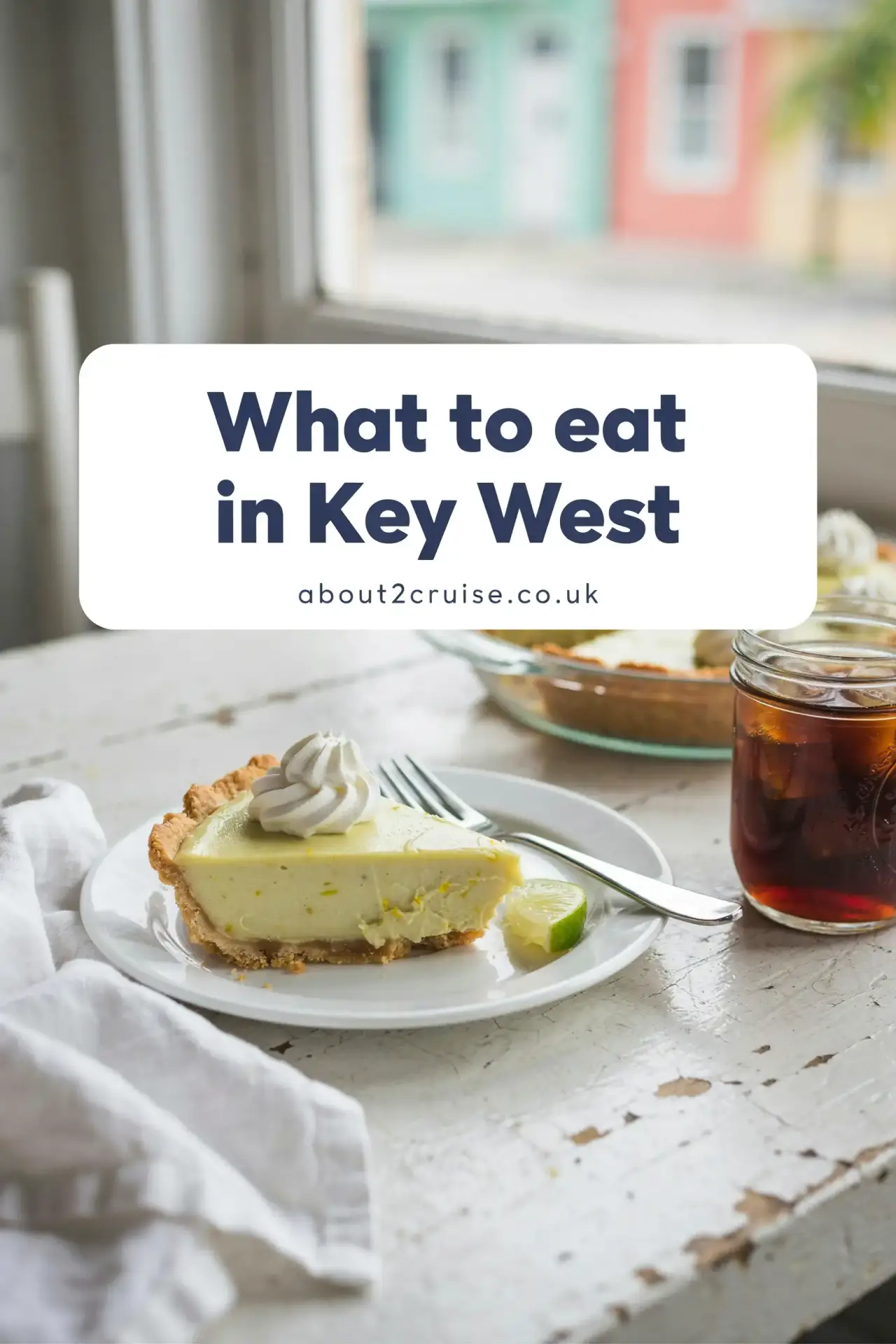
Key West: conch fritters, Key lime pie, pink shrimp and hogfish on Duval Street, the Historic Seaport and Bahama Village.
Costa Rica: gallo pinto, casado, fresh fruit and strong coffee at Puerto Limón’s sodas and lunch counters.
Panama and Guatemala: sancocho, patacones and ceviche in Colón and Panama; tapado (coconut seafood stew) and pepián in Guatemala.
The safe rule everywhere: eat where the staff are local and there is a queue; the most memorable local meal is rarely at the second stand inside the port mall.
Safety in the Western Caribbean
The areas cruise passengers visit in the Western Caribbean are generally safe during daylight hours, but the region is not uniform and several countries carry specific cautions.
Mexico: the UK Foreign Office advises against all but essential travel to parts of several states, but not to the Quintana Roo tourist corridor where ships dock. Cozumel has no ride-hailing apps, and taxi overcharging is common at the ferry pier and outside the cruise terminals: fix the fare before you get in.
Belize: serious gang violence concentrates south of Haulover Creek in Belize City, away from the Tourism Village and excursion routes. Theft of cash, cards and phones is the tourist risk in crowded areas. Use licensed taxis with green plates and do not wander far from the port alone after dark.
Honduras: petty theft is common on the Bay Islands including Roatán. Use radio-dispatched or port-association taxis, avoid road travel after dark, and know that emergency medical facilities on the island are extremely limited: there is a hyperbaric chamber on Roatán.
Jamaica: crime rates are high nationally but tourist areas are not usually affected by gang crime. Avoid Kingston, Spanish Town, Savanna-la-Mar and specific Montego Bay districts after dark. Use JTB-approved taxis with blue stickers.
Cayman: crime rates are low; normal precautions apply.
The port areas themselves are the safest part of any day because they are fenced, policed or monitored. The golden rules: do not carry more cash than you need, do not flash phones or jewellery, stick to licensed taxis, and do not walk alone at night in areas away from the tourist strips.
Families and Accessibility
For families with young children, the easiest ports are the self-contained ones: Isla Tropicale on Roatán, Harvest Caye, Costa Maya’s port complex and Key West. They have everything inside the gates or within a short, flat walk, and you never need a long transfer.
The harder ports for mobility-limited passengers are Grand Cayman (always a tender, so you must be able to step down into a boat: check with the line before booking if you use a wheelchair or walker), Belize City (tender plus a step up into the Tourism Village) and San Blas Islands (small-ship tender, wet landings).
Cozumel is the most accessible large port because ships dock at all three piers, the piers are flat, and Punta Langosta is right in town. Taxi queues at the two southern piers can stretch 20+ minutes after gangway opening.
Cave tubing in Belize has hard physical limits: minimum height 40 inches, ability to swim, and every visitor must be with a licensed guide. Dunn’s River Falls is a physical climb up wet limestone: appropriate for older children who can hold handrails, not toddlers.
What’s Included and What You’ll Pay Extra
Included in a mainstream Caribbean cruise fare: your cabin, all meals in the main dining room and buffet, pool and gym access, basic shows, and non-bottled water, basic tea/coffee and lemonade. Not included: most drinks (unless a package applies), speciality dining, Wi-Fi, gratuities, excursions, spa, casino, photos, snacks at branded cafés and often bottled water.
Carnival includes non-bottled water, lemonade, unsweetened iced tea, hot chocolate and non-speciality coffee and tea. Gratuities run US$17 per person per day in standard cabins and US$19 in suites. Carnival’s CHEERS! drinks package costs about US$70 per person per day before the 20% service charge, and every adult in the cabin must buy it if one does. Individual Carnival drink prices for budgeting: beer US$8–8.50, wine by the glass US$11–15.50, cocktails US$12.25–14.25, soft drinks US$3.
Royal Caribbean gratuities are US$18.50 per guest per day in standard cabins and US$21 in suites, plus 18% on drinks and drink packages.
Norwegian’s service charge is US$20 per person per day for Club Balcony Suite and below, US$25 for The Haven and Suites. Norwegian’s “free” open bar under Free at Sea carries its own package gratuity of about US$28.50 per person per day on six-day-plus sailings.
Marella’s all-inclusive fare includes flights, transfers, drinks, tips and service charges; Wi-Fi is extra.
Port-day costs are separate and add up fast. A baseline independent day runs: Cozumel taxi US$8–10; Costa Maya shared taxi to Mahahual US$4–5 each way per person; Grand Cayman taxi to Seven Mile Beach about US$24–25 each way; Roatán taxi from Coxen Hole to West Bay about US$20–25; Belize cave tubing roughly US$50–100 per person. Cruise-line excursions run US$50–150 per person for a half-day or beach day. A family of four can easily spend US$200–400 on a port day without trying hard.
What to Pack
The two things people most often forget in the Western Caribbean: reef shoes and a dry bag. Reef shoes are non-negotiable for Dunn’s River Falls, Belize cave tubing, Roatán’s iron shore and most rocky snorkel entries. A dry bag keeps phones, cash and towels dry on the boat ride to Belize’s reef or Grand Cayman’s sandbar.
For Chichén Itzá or other inland Maya sites: a hat, a refillable water bottle, closed-toe shoes, sunscreen and small bags only: backpacks are banned at Chichén Itzá. For cave tubing: clothes and shoes you can get wet, a towel and a full change of clothes. For tender ports: a small day pack you can carry down into a tender, not a wheeled bag.
Bring US dollars in small bills, a waterproof phone pouch, photocopies of passports rather than the originals (leave originals in the cabin safe unless a port specifically requires them) and a portable charger. Do not bring drones (banned at Chichén Itzá and many reserves), heavy checked luggage on port days, or expensive jewellery: there is no reason to wear it in a port.
Western vs Eastern vs Southern Caribbean
Western Caribbean: longer distances, more adventurous excursions, more cultural and archaeological variety, some of the best diving and snorkelling in the hemisphere, and stronger year-round demand because of the resort-quality beach and reef options. It is also the most popular route from Texas and New Orleans.
Eastern Caribbean: ports punch closer together, so itineraries feel less travel-heavy and the islands are more overtly beach and shopping. You get the British and US Virgin Islands, St Maarten, San Juan and often a private island stop.
Southern Caribbean: the serious fly-cruise option from San Juan or Barbados, with ports such as Aruba, Bonaire, Curaçao, St Lucia and Grenada. It sits south of the hurricane belt and has the most reliably warm water and stable weather, but takes extra travel to reach from the UK.
For a first-timer who wants big-ticket experiences, the Western Caribbean wins. For someone who wants easy beaches and a fast pace, the Eastern Caribbean is more forgiving. For repeat cruisers chasing the least crowded, most consistent islands, the Southern Caribbean is worth the extra flight.
More cruise port guides
Frequently Asked Questions
Is the tap water safe to drink in Western Caribbean ports?
In the Mexican ports, stick to bottled or filtered water: the occasional upset stomach is common, and ice from large beach clubs and cruise-line excursions is typically purified but not always in small roadside stalls. In Grand Cayman, the piped water is desalinated and drinkable. In Roatán, Belize, Jamaica, Costa Rica and Panama, bottled water is the safe default.
What happens if the ship misses a port because of weather?
The ship will either substitute another port, add a sea day, or adjust the itinerary. Cruise lines do not usually compensate passengers for missed ports, though port charges and pre-booked excursions for that port are typically refunded to your onboard account. Travel insurance can cover missed-port compensation if your policy includes it.
What is the best Western Caribbean port for shopping?
Cozumel is the best all-round shopping port (silver, vanilla, tequila, crafts) with the widest range from tourist mall to downtown market. Grand Cayman is better for high-end duty-free (watches, jewellery, electronics) and Key West for American gift-shop browsing. Costa Maya and Roatán have decent port-mall crafts; Belize City’s Tourism Village is smaller and pricier than the town.
Should I book excursions before the cruise or on the ship?
For high-risk or capacity-limited excursions (cave tubing in Belize, any long inland transfer, private beach-club day passes in peak season), book before the cruise. For simple beach days, snorkel rentals and most taxi-based outings, booking on the day or via a local operator at the port is often cheaper. Cruise-line excursions can be cancelled free up to 48 hours before the port call on most lines, so you can hold a backup and cancel if plans change.
What if my tender port gets cancelled?
If Grand Cayman or Belize City is cancelled, it almost always happens at the captain’s discretion the night before or early the same morning. The ship will either add a sea day or substitute another port. Pre-booked cruise-line excursions are refunded; independent reservations may not be, which is one more reason to book through the ship in tender ports.
How far in advance should I book a Western Caribbean cruise?
For the best price and widest cabin choice, book 12–18 months ahead, especially for school-holiday sailings, new ships (Icon and Star class sell out fast) and popular ports such as Cozumel. Last-minute deals exist in September and October, the hurricane-season shoulder, but they carry the highest weather risk. British cruisers routing through a US homeport should also book flights as soon as the cruise is confirmed, because transatlantic coach-class prices rise steeply closer to departure.
Last Updated: 19 November 2026