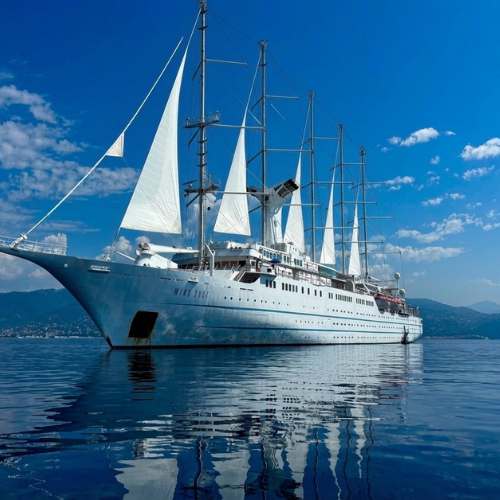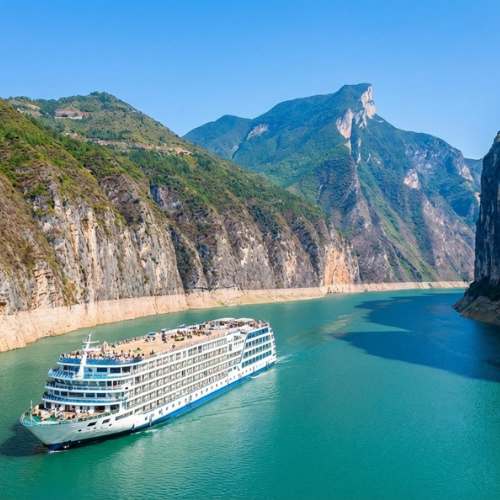
From mega-ship mainstream to remote Amazon expedition — every cruise line reviewed by people who've actually sailed them, not paraphrased from the brochure.
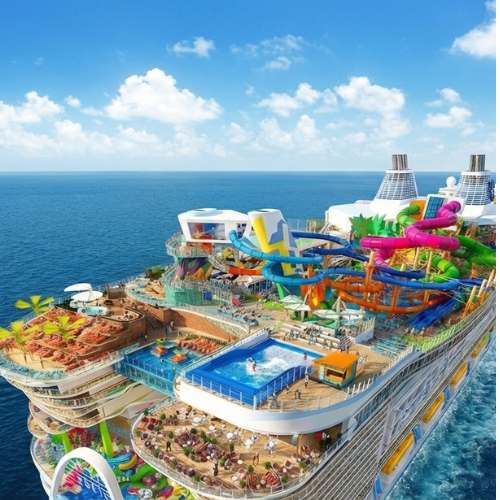
The lines that invented modern cruising and keep reinventing it. Large ships, extensive dining, entertainment that genuinely competes with land-based venues, and enough activity options to fill a week without repeating yourself. First-timers start here — but plenty of experienced cruisers never leave.
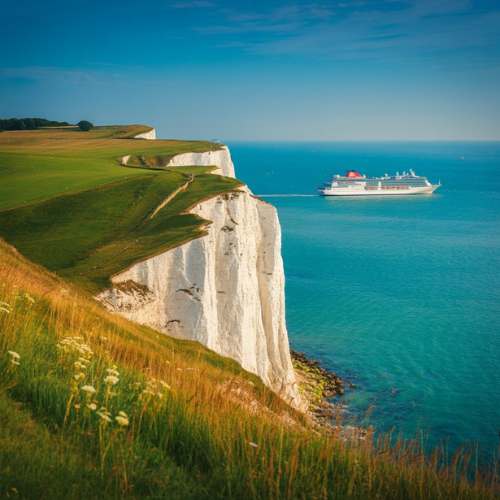
Lines built for specific markets that know their home waters better than any global operator. P&O knows British passengers. AIDA knows German ones. Marella, Saga and Ambassador deliver what their audiences actually want — not what a global marketing department thinks they want.
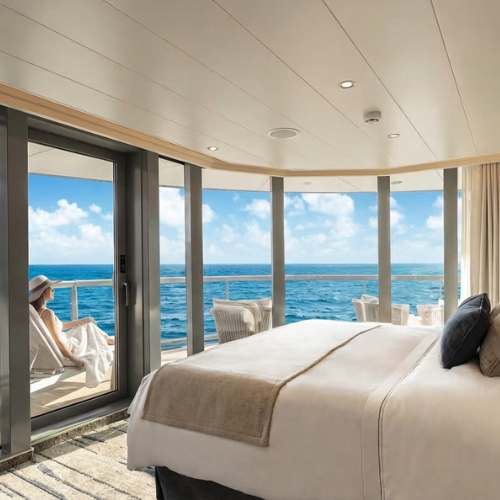
Fewer passengers, more space, better food, and service that makes you wonder why you ever sailed any other way. All-inclusive pricing, butler service, and ships that feel like private clubs. The differences between lines at this level are subtle but real — and getting them wrong is expensive.
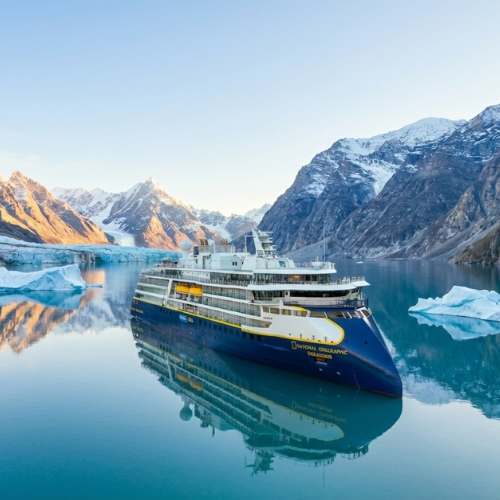
Ice-strengthened hulls, zodiac landings, and naturalist guides who know their subject better than most university lecturers. These lines go where other ships don't — Antarctica, the Arctic, Papua New Guinea, remote Pacific islands — and they take the educational brief seriously.
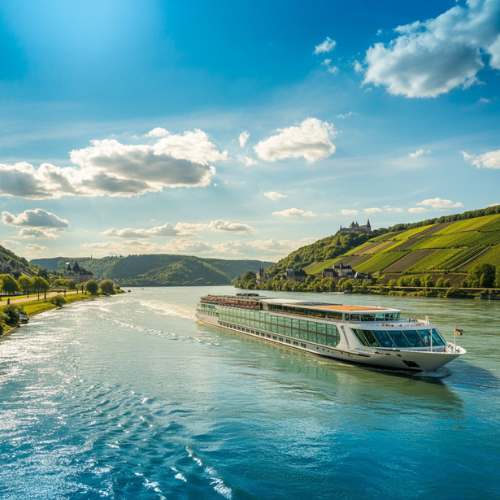
Long ships, shallow draughts, and itineraries that park you in the middle of towns that ocean ships can't reach. European river cruising has exploded in the past decade — and the gap between the best operators and the rest is considerable. Viking set the benchmark. Everyone else is trying to catch up.
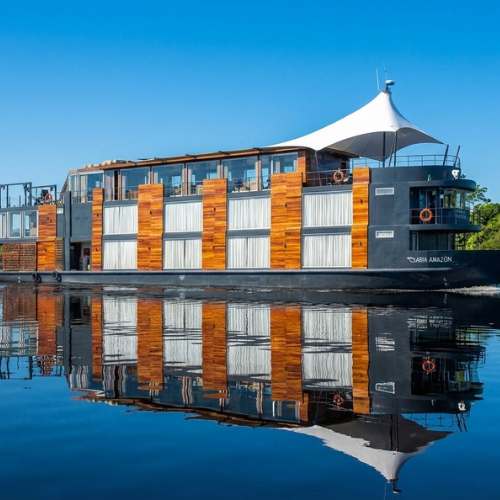
Boutique ships, pink dolphins, and rainforest canopy at eye level. Amazon river cruising is nothing like European river cruising — smaller vessels, more wildlife focus, and operators who've spent years earning the trust of local communities. This is expedition cruising that happens to float on a river.
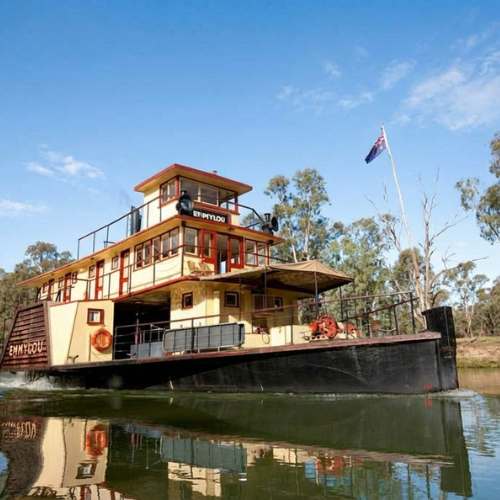
The Murray River paddle steamers, the Kimberley expedition specialists, and the remote Pacific operators who know their waters like no one else. These are niche lines with deep local knowledge — and that knowledge is exactly what makes the experience worth the distance.
Work out what your cruise will actually cost, or browse the practical tips that the brochures never include.